First, the honest research reality check
There is one big problem with writing a straight “recap” of the NASCAR All-Star Race at Dover in 2026: as of my knowledge cutoff (August 2025), NASCAR has not officially announced a 2026 All-Star Race format, nor has it published an official 2026 All-Star Race schedule placing the event at Dover. NASCAR’s All-Star format has also changed frequently in recent years, and details like stage lengths, inversion rules, fan votes, pit stop rules, and eligibility tweaks are typically confirmed by NASCAR close to the event.
So I cannot responsibly claim specifics such as: the number of laps, how many segments, what “Chaos Points” are worth, how they are earned, or who won. If NASCAR has since released a 2026 rules bulletin or an official race format explainer for Dover that you can share (link or text), I can update this into a true-by-the-book recap tied to those exact rules and the actual finishing order.
What I can do, using widely known and trusted information, is explain why Dover is uniquely suited to any format that rewards aggression and opportunism, outline the kinds of “chaos” incentives NASCAR has experimented with in exhibition events, and map which driver archetypes and team strengths tend to benefit when you drop a gimmick-shaped match into a track that already punishes mistakes.
Dover does not need help being dramatic
Dover Motor Speedway is the kind of place that makes even clean racing feel edgy. It is a one-mile concrete oval with meaningful banking, fast corner entry speeds, and a rhythm that looks simple on TV until you watch cars fight for grip over a long run. Concrete tends to evolve differently than asphalt. It can lay rubber in its own way, it can get slick in patches, and it can turn tire management into an actual skill rather than a buzzword.
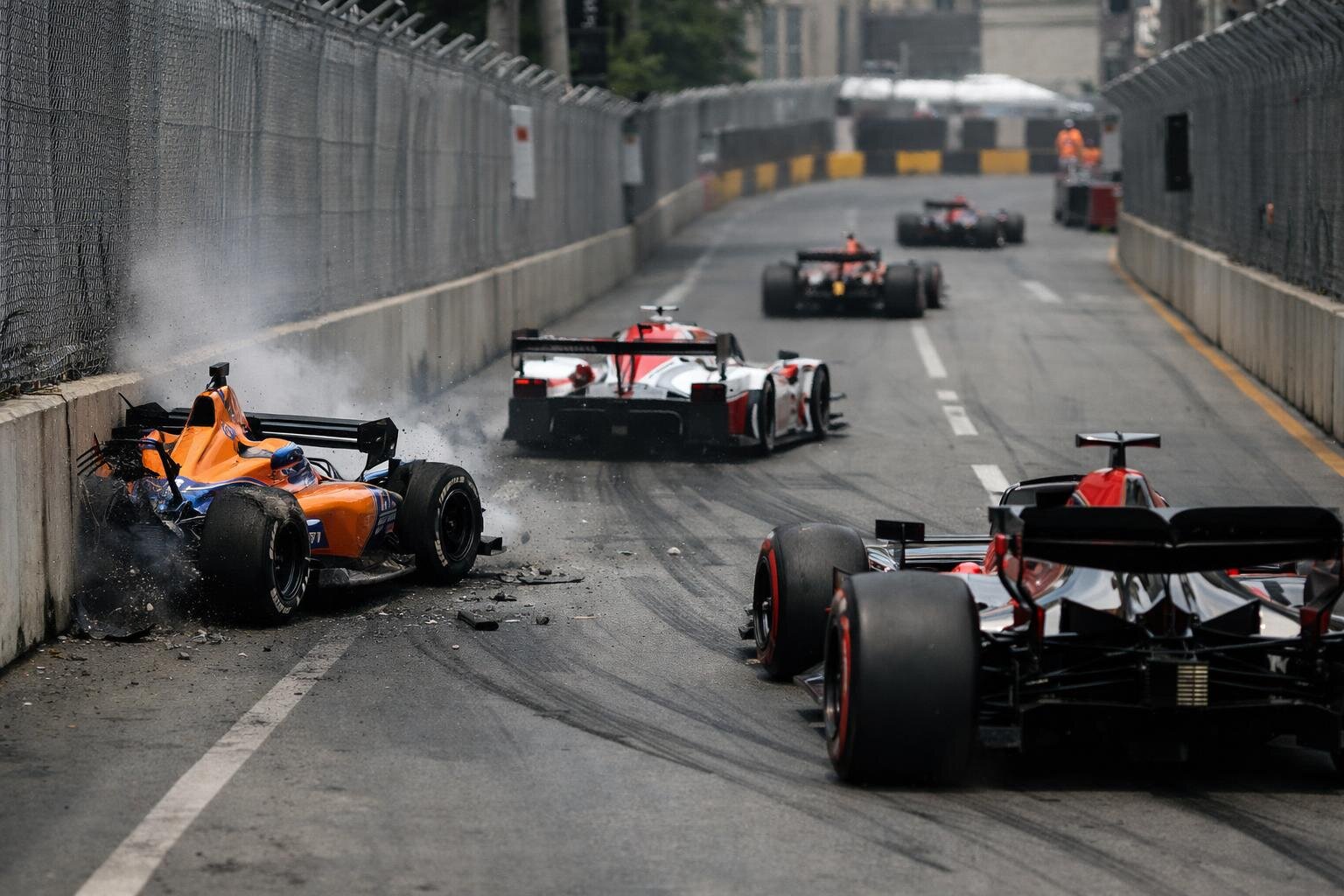
The other thing about Dover is traffic. A one-mile track compresses the field quickly, and the closing rates can be rude when leaders catch mid-pack cars that are fighting their own battles. That is where the crowd starts doing the involuntary head swivel. You see a car commit to the bottom, another car tries to hang the right-front on entry up top, and suddenly there is nowhere for anyone to breathe.
If you have ever done a track day on a short course where lap traffic becomes part of your braking markers, you understand Dover’s vibe. The “line” is never just one line once the tires go away. It becomes a negotiation between patience and momentum. Exhibition formats love that because it manufactures decision points without needing artificial cautions or contrived restarts. Dover creates its own.
What we can say about the cars and the competition, without guessing
NASCAR Cup Series cars in this era are built around the Next Gen platform introduced in 2022: independent rear suspension, bigger brakes than prior generations, wider wheels with low-profile tires, and an underbody diffuser that changed how dirty air feels in traffic. Those are verified baseline facts about the car’s architecture. How those pieces behave at Dover is part engineering and part driver feel.
At one-mile concrete tracks like Dover (and historically Bristol when it was concrete), mechanical grip matters. You are loading tires hard for long stretches, and when you slide even a little bit on corner entry you pay for it twice: you lose time immediately and you heat up the tire surface so it gives up even more later. That feedback loop is why “rhythm” is not just commentary filler at Dover. A driver who misses their marks by six inches for ten laps can turn a good car into a nervous one.
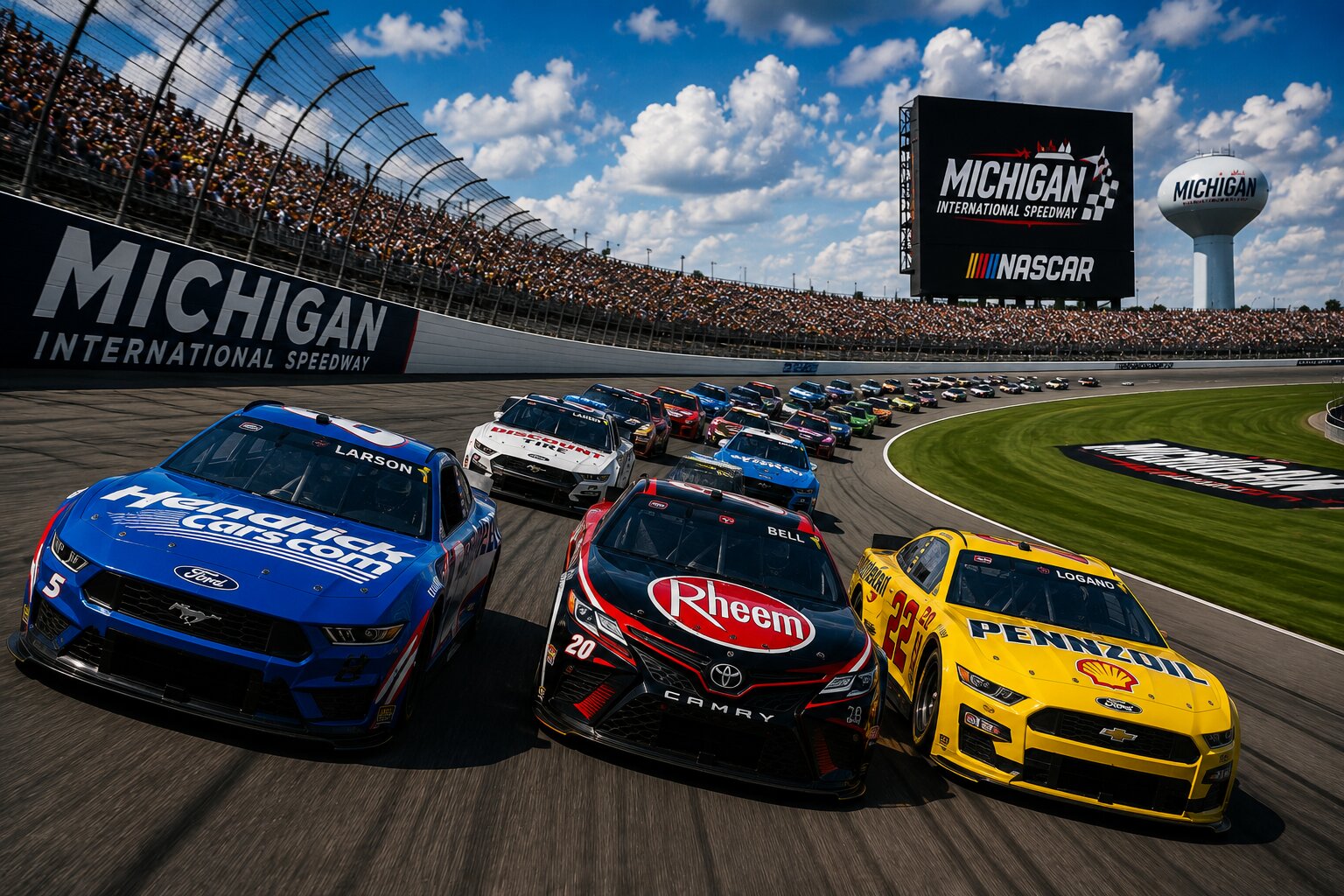
Competitor-wise, this is still the modern Cup landscape: powerhouse multi-car organizations like Hendrick Motorsports, Joe Gibbs Racing, Team Penske, and Trackhouse Racing tend to bring depth in setup notes and pit execution. That is not saying smaller teams cannot pop in an All-Star setting; it just reflects how speed usually correlates with resources over time in Cup racing.
The 2026 “Chaos Points” idea: what it implies even before we see the rulebook
Because NASCAR has not officially published 2026 “Chaos Points” rules within my available information window, I cannot define them precisely. But we can talk about what any points-based chaos mechanic generally does to driver behavior.
If points are awarded for short-run outcomes instead of only the finish (segment wins, passes made after restarts, positions gained in a set number of laps), you get sprint racing inside a longer race. If points are awarded for risk events (like bold strategy calls), teams start treating pit road like a casino with lug nuts.
The moment you tell crews there is something valuable available before the checkered flag, you change when they take risks. That matters at Dover because risk here is not abstract. You do not just “send it.” You send it into a corner where concrete grip falls off and where getting loose off Turn 2 can turn into a wall kiss that bends toe links or knocks aero out of alignment.
A chaos incentive also changes how drivers treat lapped traffic. In a normal points race at Dover, leaders may time passes with patience because long-run pace wins. In an All-Star environment where intermediate rewards exist (again, depending on what NASCAR actually writes), patience gets expensive. That is when you see three-wide attempts that look brave until they look like regret.
Why Dover amplifies aggression more than some tracks
Dover’s banking lets drivers carry speed deep into the corner, but it also tightens consequences when someone misses their braking reference or overdrives entry trying to complete a pass before turn-in. On bigger tracks you might wash up half a lane and live to fight another lap. At Dover you can wash up into someone’s right-rear or pinch yourself into the apron transition and start skating.
Restarts are their own kind of chaos here too. The run to Turn 1 is short enough that lanes form quickly but long enough that drivers can build momentum if they get hooked up behind the right pusher. A format that repeatedly resets the field (if that is part of 2026) would naturally lean into Dover’s restart intensity.
Tire wear adds another layer because aggression early often shows up later as lack of rear grip on exit. Even if Goodyear brings a durable compound (NASCAR does not publish all tire construction details publicly in an always-comparable way), teams still have to manage heat cycles and balance as rubber builds on concrete.
Who this kind of format tends to suit
Even without knowing exactly how “Chaos Points” are assigned in 2026, we can identify which skill sets usually cash checks when an exhibition race turns into repeated high-leverage moments.
The restart artists. Drivers who consistently time launches well and pick lanes decisively gain disproportionate value when there are frequent restarts or short segments. Dover rewards confidence on cold tires because Turn 1 arrives fast and everyone wants clean air immediately.
The rhythm merchants. There are drivers who look almost boring at Dover until you notice they are running identical laps while everyone else swings between hero laps and tire-slide laps. If chaos points tempt others into overdriving, these drivers benefit simply by staying attached to the lead group until others self-delete from contention through mistakes or bad pit sequences.
Pit crews with zero slop. Any format that adds intermediate scoring naturally increases pit road urgency. At Dover pit road penalties hurt extra because track position matters so much on a one-mile oval where passing can be real work once runs settle down. A team that avoids speeding penalties and executes clean four-tire stops gains compounding advantage.
The brave strategists (within reason). If NASCAR’s official rules reward stage outcomes or allow alternate tire choices or special pit windows (again, only if officially implemented), then bold calls can matter more than usual. But Dover punishes bad calls quickly because falling back puts you into traffic where aero wake plus concrete grip loss equals understeer on entry and wheelspin on exit.
The action beats Dover reliably produces
This is where you feel it in your chest as a fan even before anything “happens.” The field settles into that high-speed metronome rhythm; engines load up off Turn 4; then someone steps out half a lane higher searching for clean air on corner entry. The crowd noise swells because everyone knows what comes next: either it works and they drive around someone who did not want to give up the bottom, or it does not work and they drift up just enough to start a chain reaction behind them.
Dover also creates those moments where two drivers run side by side longer than seems reasonable for a short track because neither wants to lift first. On asphalt intermediates you might see side drafting decide it; at Dover it is more about who keeps their right-front alive while leaning on banking loads lap after lap.
If chaos incentives exist inside the race distance, expect those side-by-side fights to start earlier in each run rather than later. Drivers will be less willing to wait for tires to come in or for traffic to clear naturally. That makes for great highlight reels but also raises the odds of bent fenders and compromised handling that turns fast cars into passengers.
Crowd emotion: why an All-Star show fits this place
Dover crowds have always felt tuned to speed rather than novelty alone. The place looks like it was built for commitment; grandstands close enough that you sense velocity rather than just observe it; corners banked enough that cars appear pinned down until they are suddenly not.
An All-Star event leans into that sensory payoff because there is less reason to protect points over 400 miles of patience racing (in typical points events). Fans show up wanting moves now: bold restarts, risky lane choices, pit calls that swing positions instantly. Dover gives them all of that naturally because track position matters so much and because concrete makes handling changes visible even from halfway up the stands.
How this translates to performance culture and track-day logic
There is something familiar here if you live around performance driving culture in America: short sessions with artificial stakes change how people drive more than they admit. Put timing on a lapping day or run autocross with bonus points for passing cones cleanly under pressure and suddenly everyone brakes five feet later than their comfort zone suggests.
A “Chaos Points” concept does similar work at pro level (assuming NASCAR implements it as described). It nudges teams toward short-term gains even when long-run pace might be stronger. At Dover specifically, that means more corner-entry risk taking earlier in runs and more willingness to accept tire falloff later as collateral damage.
If you have ever overheated front tires chasing one hero lap early in a session then spent the next five laps managing push while faster cars come by, you understand why some drivers will hate this format here while others thrive in it.
The competitors everyone will measure themselves against
Without naming specific 2026 entries or results (not available within my verified info), we can still talk about who tends to define benchmarks at places like Dover: teams with strong simulation-to-track correlation and drivers who communicate balance changes clearly enough for crews to chase tenths without losing stability.
In modern Cup racing, organizations like Hendrick Motorsports, Joe Gibbs Racing, Team Penske, and Trackhouse Racing often arrive with robust notebooks at most venues across the calendar. That matters at Dover because small balance shifts show up big over long green runs: slightly freer exit becomes tire heat becomes snap loose later; slightly tighter center becomes right-front abuse becomes inability to rotate in traffic.
What we still need from NASCAR to make this truly official
To lock this story down as an accurate recap tied to NASCAR’s official coverage for 2026 at Dover, we would need:
1) NASCAR’s confirmed 2026 All-Star Race location (Dover) and weekend schedule details.
2) The official format description including segments or stages, any inversion procedure if used, pit stop rules if special rules apply (for example mandatory four tires or controlled stops), eligibility criteria (All-Star entries plus Open transfer spots), and exactly how “Chaos Points” are awarded.
3) The actual race timeline: cautions (cause of caution), key restarts, strategy calls made under green or yellow per official scoring notes.
4) Final results including winner(s) by segment if relevant under official rules.
The takeaway: if NASCAR really wants “chaos,” Dover will deliver it honestly
Dover does not manufacture drama through gimmicks; it manufactures drama through physics. Concrete grip changes over runs; banking loads tires; traffic compresses decisions; restarts demand conviction; mistakes cost real time because there is no easy reset when your balance goes away.
If NASCAR’s 2026 All-Star concept truly includes “Chaos Points,” whatever those end up being officially, this track will magnify them. It will reward drivers who can be aggressive without being sloppy and crews who can chase short-run speed without sacrificing long-run control. It will also punish anyone who treats bonus incentives like free money instead of borrowed time.
Share NASCAR’s official 2026 format link or paste the rule breakdown here and I will convert this into a fully factual recap with specific segments, point triggers for Chaos Points as defined by NASCAR, decisive moments tied to official cautions and restarts, plus an accurate read on exactly who benefited under those rules at Dover.
0 comments
Join the discussion around this article.
Please login to comment.