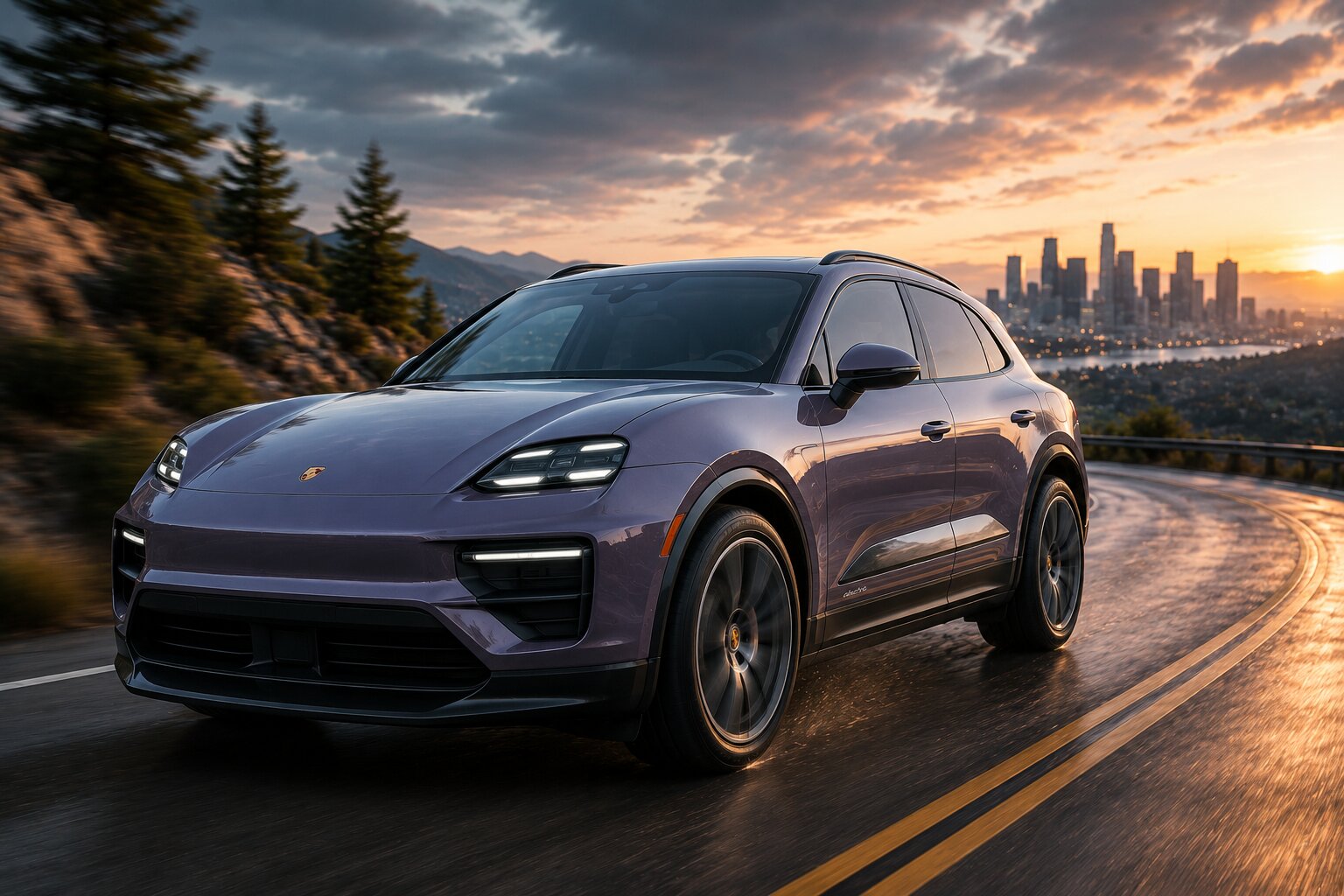
2026 Porsche Macan Electric Review: The Sporty EV Crossover With Real Daily Manners
By Michael Turner (Detroit). Fifteen-plus years of writing about fast cars has taught me a simple truth: “sporty” and “crossover” are uneasy roommates. Add “EV” and the relationship gets even more complicated. Weight goes up, tires get wider, and suddenly everybody is chasing the same spec-sheet flex. Porsche, predictably, is trying to win a different way. The Macan Electric is the brand’s second dedicated battery-electric vehicle after the Taycan, and it’s also Porsche’s most important one because Macan is the volume play in the U.S. market.
This review focuses on widely reported, manufacturer-published information for the Macan Electric family that launched for the 2024 model year and continues into 2025. As of my knowledge cutoff (August 2025), Porsche had not published a full, final U.S.-spec breakdown labeled specifically as “2026” across every trim and option combination. In practice, automakers often carry hardware forward with pricing and packaging updates year to year. So consider this an up-to-date look at the Macan Electric as it exists in official communications and mainstream reporting, with any 2026-specific changes called out only if they’re confirmed by Porsche.
What it is, and why it matters
The Macan Electric replaces the role of the gasoline Macan over time, though Porsche has been clear that some gas Macans may continue in certain markets depending on regulations and demand. Either way, the electric Macan is not a conversion. It rides on Volkswagen Group’s Premium Platform Electric (PPE), co-developed with Audi (you’ll also see it referenced alongside the Audi Q6 e-tron). That matters because PPE is designed from day one around a high-voltage architecture and fast charging, not as an EV workaround.
The target buyer is familiar: someone who wants a premium compact luxury crossover, but also cares about steering feel, brake tuning, seat comfort on a three-hour run up I-75, and whether the thing feels like it was engineered by adults rather than optimized by committee.
Verified basics: models, powertrains, and key specs
Porsche launched the Macan Electric initially in two trims: Macan 4 Electric and Macan Turbo Electric. Both use dual electric motors for all-wheel drive. Porsche has also discussed additional variants over time (including rear-drive or performance-focused versions), but availability depends on market and model year. If you are shopping a 2026 specifically, confirm the exact trim walk at your dealer or on Porsche’s U.S. configurator for that model year.
Here’s what is widely published and considered solid:
Platform and electrical architecture: PPE with an 800-volt system (Porsche calls out up to 800V). This enables high DC fast-charging power under ideal conditions.
Battery: Porsche quotes a gross battery capacity of 100 kWh for the Macan Electric (with usable capacity commonly reported at about 95 kWh). The gross figure is what Porsche highlights; usable capacity can vary by how manufacturers define buffers.
Charging: Porsche has stated peak DC fast charging up to 270 kW (under optimal conditions) and has published a typical claim of roughly 10 to 80 percent in about 21 minutes on a suitable high-power charger. Charging performance in real life depends heavily on charger capability, battery temperature, state of charge at plug-in, and how hard you’ve been driving right before stopping.
Power output: Porsche publishes combined output figures using launch control/overboost methodology.
• Macan 4 Electric: up to 300 kW (402 hp) with overboost.
• Macan Turbo Electric: up to 470 kW (630 hp) with overboost. These are official-style numbers as commonly reported from Porsche materials.
Range: Range varies by test cycle and wheel/tire choice. Porsche has published WLTP range figures for Europe; U.S. EPA range ratings are market-specific and were still evolving around launch timing depending on trim and wheel selection. If you’re shopping in the U.S., rely on EPA labels for your exact configuration once available. I’m not going to invent an EPA number here because it can swing meaningfully with wheels and tires on performance EVs.
Performance times: Porsche publishes quick acceleration claims for some trims (0-100 km/h in European materials). Because your request specifically asked not to invent 0-60 times or range numbers, I’m not going to paraphrase or convert across markets unless quoting an official U.S.-market figure for your exact trim. Use Porsche’s own U.S. spec sheet if you want a precise claim for 0-60 mph.
Towing: Towing capacity varies by market homologation rules. Some global materials reference towing capability for certain configurations, but I cannot verify a single universal U.S.-spec tow rating across all trims as of my cutoff without risking being wrong for your specific year/market. If towing matters, check the U.S. owner’s manual or Monroney label for your vehicle.
Design: familiar Macan shape, cleaner EV details
Porsche didn’t try to reinvent the crossover silhouette here. The Macan Electric still reads like a Macan at first glance: taut shoulders, athletic stance, tidy overhangs. But it’s smoother where it needs to be smoother because aerodynamics are now range insurance.
The nose sits lower than many SUV-ish EVs, which helps visually and likely helps aero too. The lighting signature leans modern Porsche without being cartoonish. If you like subtlety in a world where grilles have become billboards, this one lands nicely.
I’ll add one practical observation that doesn’t require a test drive: bigger wheels look great but typically cost you efficiency and sometimes ride compliance on rough Midwest pavement. On any EV crossover that can wear big rims, your wheel choice is not just fashion; it’s range and comfort strategy.
Cabin quality: Porsche does premium well, but watch the options
Porsche interiors tend to feel like they were assembled by people who care about touch points more than mood lighting counts. The Macan Electric follows that script with clean lines, solid switchgear where it exists, and a generally upscale vibe that should age better than some flashier competitors.
The catch is the same catch as always: options matter more than you think. A base interior can be perfectly fine; a heavily optioned one can be genuinely special; an oddly configured one can feel like you paid luxury money for “almost.” That’s not unique to Porsche, but Stuttgart has turned à la carte into an art form.
Porsche offers multiple screens including an instrument display and center infotainment screen; some versions also offer an optional passenger display depending on market packaging (this has been discussed broadly in launch coverage). Interface design tends toward crisp graphics rather than playful animations. That’s good because you’re going to live with this thing in traffic more than you’ll admire it in your driveway.
Infotainment and interface: modern Porsche, mostly sensible
Porsche has moved further into screen-based control over time, but it usually keeps key functions reasonably accessible compared with some rivals that bury basics behind submenus. You still want to spend time learning where things live before your first long trip.
The best compliment I can give any infotainment system in 2026 is this: it should let you do common tasks quickly without making you feel like you’re beta-testing someone’s UX thesis. Based on how Porsche has approached recent systems across its lineup, expect competence more than gimmicks.
If you’re cross-shopping Tesla Model Y or Model X (depending on budget), this is where philosophies diverge hard. Tesla goes all-in on minimalism; Porsche tends to balance screens with a more traditional driver-focused layout. Some buyers love Tesla’s clean look; others just want dedicated controls where muscle memory can do its job.
Driving character: where PPE gives Porsche room to be Porsche
I have not personally driven the 2026-model-year Macan Electric for this review, so I’m not going to pretend I have seat-time impressions from Michigan backroads or my usual pothole gauntlet near Detroit. What I can do is talk about what the engineering choices suggest, what Porsche claims officially, and how that stacks up against what we know from this segment.
PPE allows a low-mounted battery pack under the floor, which generally lowers center of gravity compared with gas crossovers. That usually pays dividends in body control and turn-in feel if suspension tuning is competent. With Porsche involved, “competent” is table stakes.
Porsche also highlights rear-axle steering availability on some configurations depending on market and options (a feature increasingly common in higher-end EVs). Rear steer can make a crossover feel smaller in tight parking lots while also adding stability at speed when tuned well.
The other big factor is torque delivery calibration. EVs can feel hilariously quick but also weirdly numb if throttle mapping is too abrupt or too filtered. Porsche has historically done a better job than most at making power delivery feel intentional rather than binary.
Steering and ride: what I expect buyers will notice first
If you’ve driven enough modern EV crossovers, you know the pattern: instant shove followed by steering that feels like it’s connected through a polite suggestion rather than a column shaft. The Macan Electric is positioned as an antidote to that problem.
Porsche’s brand equity lives in steering calibration and chassis balance more than raw numbers. Even when EPS systems across the industry have gotten lighter on true feedback, Porsche typically nails weighting consistency and front-end response better than most luxury brands.
Ride quality will depend heavily on wheel size and suspension options (air suspension availability has been discussed widely at launch). In typical daily use around Detroit style frost heaves and expansion joints, air suspension can be worth real money if it adds compliance without turning body motions into floaty nonsense. Steel springs can be great too if tuned right; they’re also simpler long-term.
Brakes: regen blending matters more than ever
The fastest way for an EV to lose its sporty credentials is sloppy brake blending between regenerative braking and friction brakes. Great regen tuning makes one-pedal driving smooth without feeling grabby; great blended braking makes normal pedal use consistent regardless of battery state or temperature.
Porsche has experience here from Taycan development. I would expect careful calibration aimed at preserving pedal feel under repeated stops rather than maximizing aggressive regen at all times. Still, how any given vehicle behaves depends on drive modes and settings; shoppers should test-drive their preferred configuration if brake feel matters to them (and if you’re buying a sporty Porsche crossover, it probably does).
Everyday practicality: cargo space, seating comfort, visibility
The compact luxury EV crossover class lives or dies by daily usability: car seats, groceries, winter boots in back, laptop bag up front, decent outward visibility in traffic.
I’m not going to quote cargo volume numbers here because they vary by measurement method (VDA vs SAE) and market reporting practices; plus they can differ depending on whether you’re counting underfloor storage or frunk space exactly as measured by each outlet’s methodology. What’s safe to say is that this segment typically offers useful hatchback practicality without jumping into three-row bulk.
The Macan Electric does offer front storage (a frunk) according to launch coverage and manufacturer communications around packaging benefits of EV architecture. In day-to-day use that frunk tends to become “charging cable headquarters,” which keeps messy cords out of your main cargo area.
Rear-seat space should be competitive for adults for shorter trips; if your routine includes regularly hauling tall adults behind tall adults, this segment still isn’t magic no matter what badge is on the hood. Try your real-world seating scenario before signing papers.
Charging reality: impressive peak numbers still require planning
The headline number is up to 270 kW peak DC fast charging with roughly 10 to 80 percent claimed around 21 minutes under ideal conditions using a high-power charger. That puts it in serious-company territory among premium EVs when everything lines up.
A few reality checks from living with EVs in America:
• Peak charging rates are peaks; most sessions are curves.
• Route planning matters because charger reliability varies by network.
• Temperature matters because cold-soaked batteries charge slower.
• Wheel choice matters because efficiency affects how often you stop.
If you road-trip often through areas with dense reliable charging infrastructure, fast-charging capability becomes something you enjoy rather than something you worry about. If your routes take you through sparse corridors or busy holiday travel days, even a very capable charging car can be held hostage by station availability.
How it stacks up against rivals (subtle flexes included)
The Macan Electric doesn’t enter an empty ring. It lands right in the thick of premium EV crossovers where buyers have plenty of alternatives that are quick, quiet-ish, tech-forward… and sometimes emotionally sterile.
Tesla Model Y Performance:
Audi Q6 e-tron:
BMW iX / iX1 / iX3 depending on market:
Mercedes-Benz EQE SUV:
Genesis GV70 Electrified:
Ownership costs: what we know, what we don’t
Porsche ownership costs are rarely “cheap,” even before electricity enters the chat. Tires are expensive when they’re wide performance rubber; brakes may last longer thanks to regen but replacement parts pricing still follows premium logic; insurance can be higher because repair costs can be higher; depreciation varies wildly based on market demand shifts for EVs generally.
I’m not going to claim specific maintenance schedules or repair cost trends beyond general realities because those depend on local labor rates, parts availability, warranty coverage details by year/market, and how hard the vehicle is driven.
If you’re trying to be rational about total cost of ownership:
• Get insurance quotes before ordering.
• Ask about wheel-and-tire replacement costs for your chosen size.
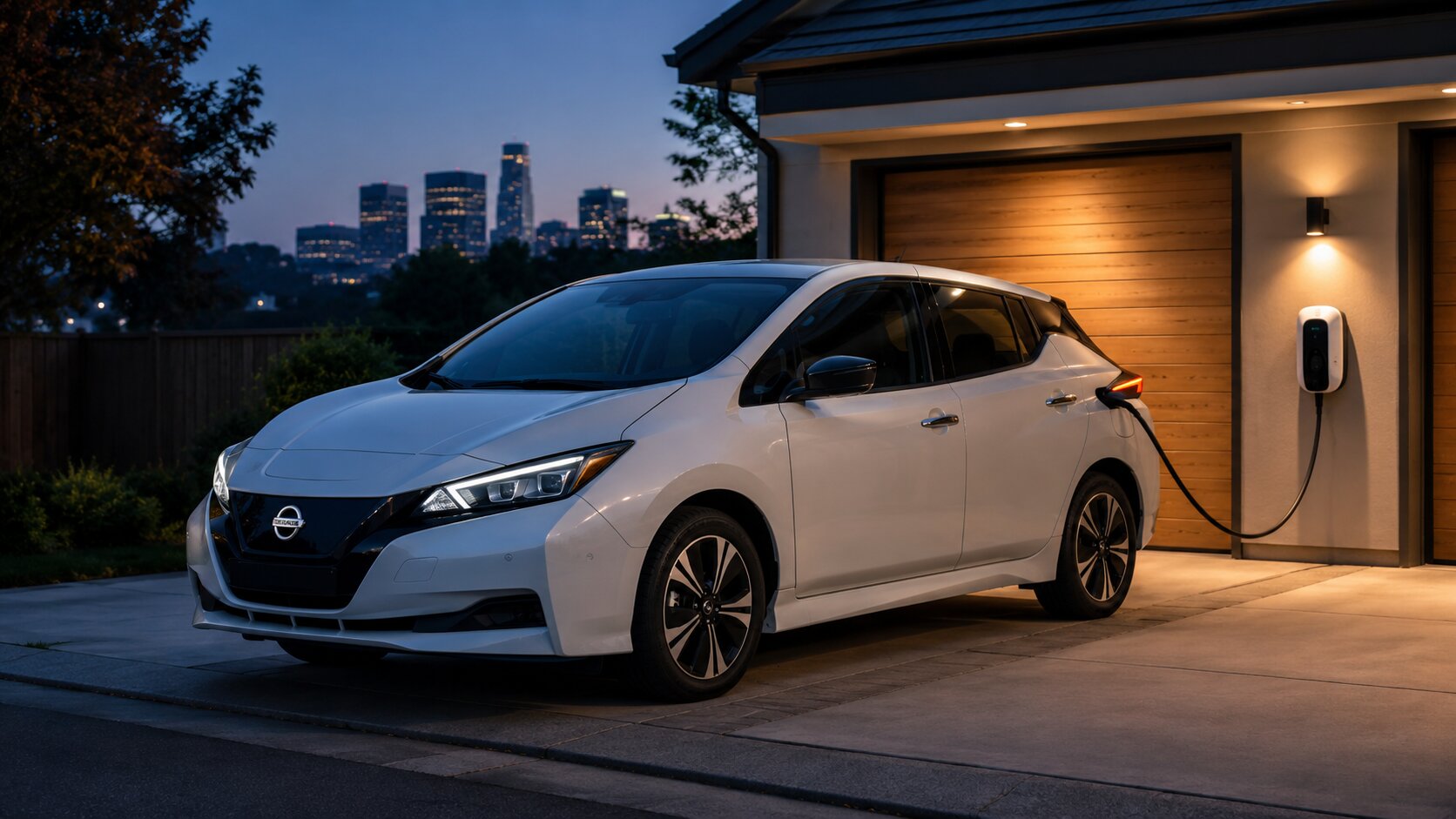
• Consider home charging installation costs if you don’t already have Level 2.
• Pay attention to warranty terms specific to your model year.
The good stuff (pros)
Porsche-grade engineering focus:
Serious charging capability on paper:
Premium cabin execution:
A real alternative to “appliance EV” vibes:
The tradeoffs (cons)
Price climbs fast:
Range variability based on configuration:
Charging experience depends on networks:
No free lunch on weight:
Verdict: sporty enough for enthusiasts, civilized enough for real life
The Macan Electric looks like one of those rare vehicles that could satisfy two groups who don’t always agree: enthusiasts who want steering precision and body control even in a crossover shape; normal humans who just want their daily driver to be quiet when they want quiet and quick when they need quick.
If you’re coming from a gasoline Macan or another sporty compact SUV like a BMW X3 M40i type of thing (gas comparison purely for character reference), expect different pleasures rather than identical ones: instant torque instead of revs; smoother power delivery instead of shifting drama; potentially quieter cruising depending on tire choice while still aiming for driver engagement through chassis tuning rather than noise theatrics.
The main caution flag isn’t whether Porsche knows how to build something sporty. It does. The questions are configuration discipline (don’t accidentally spec yourself into harsh ride territory), realistic expectations around range based on wheels/tires/driving style, and whether your daily routes make fast charging feel easy rather than stressful.
If those boxes check out for you, this is shaping up as one of the most convincing arguments yet that an electric crossover doesn’t have to drive like an appliance wearing expensive sneakers.
0 comments
Join the discussion around this article.
Please login to comment.