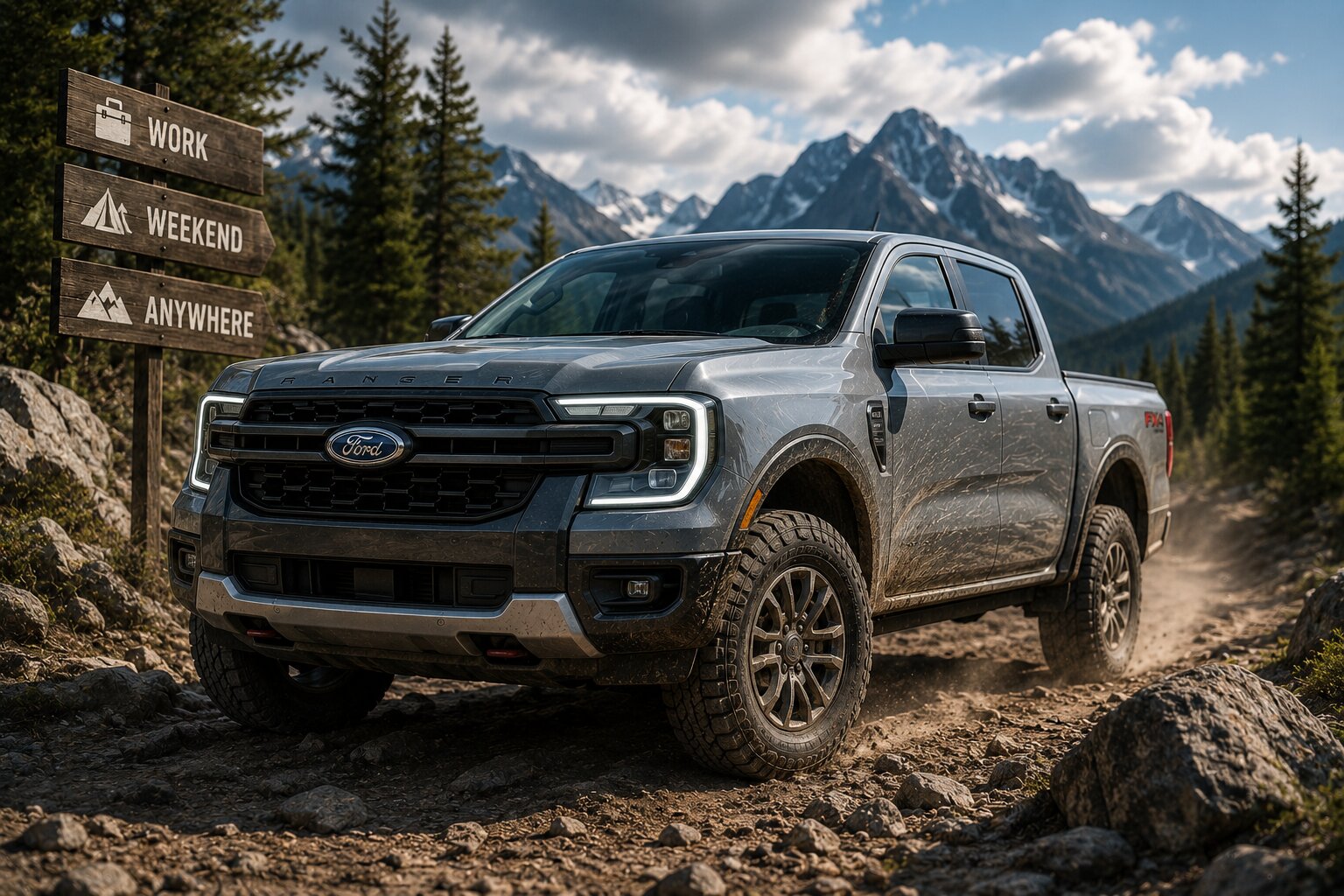
2026 Ford Ranger Review: The Mid-Size Truck That Wants to Do Everything
The Ford Ranger has a very specific job in the U.S. market. It is supposed to be smaller and easier to live with than an F-150, but still feel like a real truck when you hook up a trailer, throw a dirt bike in the bed, or point it down a rutted two track. The current-generation Ranger (introduced for the 2024 model year in the U.S.) is Ford’s answer to a mid-size segment that has gotten serious: Toyota Tacoma, Chevrolet Colorado, GMC Canyon, Nissan Frontier, and Jeep Gladiator all have strong identities and loyal buyers.
For 2026, the Ranger continues largely on the same formula as 2024 and 2025. As of this writing, Ford has not released a full slate of 2026-spec changes across every trim in a single public spec sheet, and details can vary by final ordering guide and equipment groups. So this review sticks to widely published, official Ranger fundamentals for this generation: the core powertrains (including the available V6), the 10-speed automatic, the body-on-frame layout, the trim walk (XL through Lariat plus Ranger Raptor), and the capability story that puts it right in the thick of the class.
What’s new for 2026?
Ford typically rolls mid-cycle changes and packaging updates into model years without reinventing the truck. At the time of writing, there is no broadly confirmed overhaul for 2026 Ranger in the U.S. like an all-new platform or a new base engine announcement. If you are shopping early, treat any dealer talk about “new for 2026” with caution until Ford posts official specs and ordering information. The good news is that the existing Ranger lineup already covers a wide spread of needs, from basic work-truck duty to legit high-speed desert running in Ranger Raptor.
The lineup at a glance (and how most people actually shop it)
In typical dealer-lot reality, most buyers start with trims and equipment groups rather than reading engineering diagrams. The Ranger range generally breaks down like this:
XL: The price-led entry point. For many buyers it is the one you buy because you want a mid-size truck that can take abuse without making you nervous about every scratch. If you are planning to add your own wheels, tires, bed rack, or work gear, XL can make sense.
XLT: The mainstream sweet spot for commuting plus weekend stuff. XLT is often where convenience features start to feel “normal” rather than “fleet.” Depending on options, it can also be where towing and off-road packages become easier to get without jumping to top trims.
Lariat: The comfort-forward Ranger. If your truck is also your daily driver in traffic and parking garages, Lariat is typically where you lean if you want more creature comforts without stepping into full-size pricing.
Ranger Raptor: A specialty model with serious off-road hardware and a different mission than the standard trims. It is less about being a value pick and more about being a factory-built toy that still has plates and warranty.
Cab and bed configurations matter too. This generation Ranger is sold in SuperCrew form in the U.S., with bed length depending on configuration. Always confirm bed length on the exact truck you are looking at because it changes how useful the truck feels day to day (especially if you haul motorcycles, lumber, or camping gear).
Verified specs: engines, transmissions, and drivetrain
Here are the widely published fundamentals for this generation of U.S.-market Ranger based on Ford’s official information for recent model years of the same generation. If Ford revises any figures for 2026 specifically, use the latest Ford spec sheet for final numbers.
Base engine: A turbocharged 2.3-liter EcoBoost inline-four is the standard engine on most non-Raptor Rangers in this generation.
Available engine: A turbocharged 2.7-liter EcoBoost V6 is available on certain trims and packages in this generation (availability varies by trim and ordering constraints).
Ranger Raptor engine: A twin-turbocharged 3.0-liter EcoBoost V6 is used in Ranger Raptor for this generation.
Transmission: A 10-speed automatic is used across the lineup.
Drivetrain: Rear-wheel drive is available on some trims; four-wheel drive is available across much of the lineup and standard on Ranger Raptor.
Towing and payload: Capabilities depend heavily on engine, axle ratio, drivetrain, cab/bed configuration, and tow package content. Ford publishes official maximum towing and payload figures by configuration; do not rely on a single number from a forum post or window sticker photo. If towing matters for your purchase, check Ford’s towing guide for the exact build you want.
Competitors (and why they matter)
The mid-size field has never been more crowded with genuinely capable trucks.
Toyota Tacoma: The big story here is Tacoma’s recent redesign and its push toward turbocharged powertrains and modernized interiors. Tacoma’s off-road trims are culturally dominant for overlanding builds. The Ranger counters with strong on-road manners for a body-on-frame truck and an optional V6 in non-Raptor form (depending on how you spec it).
Chevrolet Colorado and GMC Canyon: GM’s twins have leaned hard into torque-rich turbo power (Colorado) and upscale packaging (Canyon). They feel very current inside. The Ranger competes by offering a broad trim walk plus Raptor as a halo model with unique suspension intent.
Nissan Frontier: Frontier keeps things simpler with a naturally aspirated V6 approach (in recent model years) and generally straightforward controls. It can appeal if you want fewer moving parts conceptually. Ranger feels more tech-forward by comparison.
Jeep Gladiator: Gladiator is its own thing: open-air lifestyle plus trail hardware potential. If you care about removable doors and roof panels, no other mid-size pickup really scratches that itch.
Design and usability: it looks like a truck because it is one
The current Ranger’s styling reads more squared-off and purposeful than the previous U.S.-market Ranger from 2019 through 2023. It wears its width better too; it looks planted without trying too hard to cosplay as an F-150.
The practical stuff matters more than sheetmetal drama though. In daily use, what you notice is how easy it is to access tie-downs, how well the tailgate behaves when your hands are full, how cleanly bed accessories fit, and whether you can see out of it in tight parking lots at Target or at work.
If you are coming from an older full-size pickup, mid-size trucks can feel refreshingly manageable in urban driving. That said, modern mid-sizers are not “small” anymore; they are narrower than half-tons but still tall enough that step-in height can be noticeable depending on tires and suspension package.
Cabin life: commuting comfort meets work-truck reality
The Ranger’s cabin aims at being modern without going full luxury-car preciousness. Depending on trim level and options, you will see larger infotainment screens and more driver-assist tech than older Rangers ever offered. The overall vibe lands closer to “daily driver” than “farm implement,” which is exactly what many U.S. buyers want: something that can sit in traffic Monday through Friday but still get muddy Saturday morning.
A mid-size crew cab also has to answer one question honestly: can adults sit in back without feeling punished? In this class, rear-seat comfort varies by competitor and by your expectations. The Ranger’s SuperCrew layout generally targets real people use rather than occasional jump-seat duty; still, if you regularly carry tall adults behind tall adults, it is worth physically sitting back there before signing paperwork.
Storage details matter too: door pockets that actually hold bottles, center consoles that swallow small tools or recovery gear, places to stash straps so they do not live on the floor forever. These little ergonomics decisions make some trucks feel “ready” while others feel like they were designed around brochure photos instead of real ownership.
On-road driving: what to expect from a body-on-frame mid-size
I cannot claim your exact ride quality without seat time in your exact configuration because tire choice alone can swing comfort dramatically. But based on how body-on-frame mid-size pickups typically behave, here is what most drivers should expect from this generation of Ranger in normal commuting duty.
Steering and maneuverability: Mid-size trucks usually feel easier to place than full-size trucks in tight lanes and parking lots. The Ranger’s size works in its favor here; it should be less stressful around curbs and crowded lots than an F-150-sized rig.
Ride quality: Expect some truck-like motion over broken pavement because of rear leaf springs (typical for pickups) and because payload capability demands stiffness when unloaded. Higher trims can feel more controlled thanks to shocks tuned for comfort or stability depending on package content.
Noise: Wind noise tends to be reasonable in modern pickups; tire noise depends heavily on whether you choose all-terrain rubber or stick with more street-oriented tires. If quiet commuting matters more than trail grip, do not underestimate how much tire choice changes your daily experience.
The engines: picking your personality
The standard turbocharged 2.3-liter four-cylinder fits what many mid-size owners actually do: commute during the week with occasional hauling runs on weekends. Turbo fours can feel punchy around town because boost fills in low- to mid-range torque; they also tend to pair well with modern multi-speed automatics that keep them in their sweet spot.
The available 2.7-liter EcoBoost V6 (where offered) changes the vibe more than any appearance package ever will. A V6 turbo generally brings stronger effortless acceleration when loaded up with passengers or when climbing grades with gear onboard. If you tow even occasionally or live at elevation, this option can be worth prioritizing when shopping because it influences confidence more than most tech features do.
Ranger Raptor’s twin-turbo 3.0-liter V6 sits apart as its own thing; it exists for buyers who want factory-backed performance off pavement along with everyday drivability. It is not just an engine upgrade either; Raptor models typically bundle major suspension hardware changes as part of their identity (see below).
Towing and hauling: read the fine print before you buy
This is where people get burned by assumptions.
The Ranger can be configured for strong towing capability for its class when properly equipped, but there is no single towing number that applies to every Ranger on every lot. Maximum towing varies based on engine choice (2.3 vs available V6), drivetrain (4x2 vs 4x4), axle ratio where applicable, wheelbase/bed configuration, cooling equipment included with tow packages, and even how Ford certifies specific combinations year to year.
If your plan includes towing anything heavier than a small utility trailer or jet ski setup, do three things before signing:
1) Look up Ford’s official towing guide for your model year once published (or ask for it at the dealer). Make sure it matches your VIN configuration if possible.
2) Check payload on the door jamb sticker. Payload disappears fast once you add passengers, a topper/bed rack system, tools, recovery gear, tongue weight from a trailer, and maybe a cooler full of food for a weekend trip.
3) Be honest about terrain. Flatland towing at moderate speeds feels very different from pulling up long grades in summer heat or dealing with crosswinds across open highways.
If you mostly haul “truck stuff” rather than tow heavy trailers (mulch runs, home improvement supplies, camping gear), bed usability becomes king: tie-down placement, bed liner choices (spray-in vs drop-in), tailgate step solutions if equipped, and whether you plan to run a tonneau cover or topper year-round.
Four-wheel drive systems: traction tools that matter off pavement
A lot of shoppers treat 4x4 as an identity badge; owners who actually use it treat it like safety equipment for bad conditions or remote travel.
The Ranger offers four-wheel drive availability across much of its lineup (and standard on Raptor). Depending on trim and package content there may be different drive modes meant to tailor throttle response and traction behavior for surfaces like sand or mud. Exact mode names and availability can vary by year and trim; confirm what your chosen truck includes rather than assuming every screen menu shows up everywhere.
If your life includes snowy commutes or muddy trailheads after rainstorms, four-wheel drive plus decent tires makes daily life easier. If you are aiming at overlanding style travel where traction consistency matters more than rock-crawling theatrics, prioritize ground clearance appropriate tire choice underbody protection where offered recovery points if equipped from factory or added later
Off-road reality check: regular Ranger vs Ranger Raptor
A standard Ranger configured with four-wheel drive can absolutely handle forest roads desert two-tracks beach access trails depending on local rules snowed-in driveways rutted access roads to campsites You do not need a Raptor badge to enjoy dirt miles
The difference is pace punishment tolerance
Standard trims: Think controlled moderate-speed travel over uneven surfaces Some packages add skid plates off-road tuned shocks or terrain management features depending on how Ford bundles them That helps durability when conditions get rough but these trucks still live within normal pickup suspension limits
Ranger Raptor: This one exists so you can hit rough terrain faster with more control thanks to specialized suspension components Fox dampers are part of Raptor identity across Ford’s lineup including Ranger Raptor in this generation Along with wider stance specific wheels tires fender work depending on year It is designed as a complete system not just bigger tires slapped onto an XLT
If your off-road use looks like slow technical crawling most weekends you might cross-shop Jeep Gladiator Rubicon style hardware depending on preferences If your off-road use looks like high-speed washboard desert roads then Raptor’s mission makes more sense
Packing parking living with it: mid-size pros that show up every day
A lot of people buy trucks imagining epic weekends Then they spend most days doing normal life errands school drop-offs commuting squeezing into parking spaces next to lifted half-tons That is where mid-size trucks earn their keep
The Ranger’s footprint generally makes it less annoying to park than full-size pickups especially older ones without modern camera systems Still expect typical pickup compromises turning circle compared with crossovers higher step-in height more body motion over potholes And if you choose aggressive all-terrain tires expect extra hum at highway speeds
Tech safety driver assists: check trim availability not just brochures
This generation Ranger offers modern infotainment options plus driver-assistance features depending on trim level equipment group Because availability can shift year-to-year even within one generation I am not going to claim specific feature lists per trim without Ford’s official 2026 packaging document in hand
If safety tech matters prioritize verifying these items during shopping adaptive cruise control blind spot monitoring trailer coverage if offered lane keeping assistance front rear parking sensors camera views especially if you plan to tow Backing up with a trailer becomes dramatically less stressful when camera resolution good guidelines make sense
Fuel economy costs: what we can say without guessing numbers
The EPA posts fuel economy ratings by configuration once each model year data set is finalized For 2026 those ratings may not be posted yet depending on timing Historically turbocharged four-cylinder engines often deliver competitive efficiency when driven gently but real-world mpg swings widely based on speed wind tire choice payload elevation And turbo engines under boost drink fuel like any other engine working hard
If fuel cost anxiety is part of why you are shopping mid-size instead of full-size remember that aero drag at highway speeds punishes anything shaped like a brick Mid-size helps but does not magically turn into crossover consumption Especially if you lift it add roof racks run mud-terrain tires or carry gear permanently
Trim strategy: how I’d shop it for real U.S.-style use cases
If you want basic durability for work plus weekend chores: Start at XL but pay attention to must-have options like four-wheel drive tow package content bed liner choices Sometimes stepping up one trim saves money once option bundles are considered depending on incentives availability
If this will be your only vehicle commuter plus family duty: XLT often hits balance You get nicer interior touches while keeping price below top trims Make sure seating comfort works for your body long drives reveal awkward cushions quickly Also verify rear seat space if car seats are involved
If you want comfort without going full luxury SUV pricing: Lariat makes sense if budget allows Just watch wheel tire choices Big wheels look great but smaller sidewalls can make potholes feel sharper depending on suspension tune
If off-road performance is non-negotiable: Ranger Raptor is purpose-built But be honest about what you give up Potentially higher running costs tire replacement cost fuel use And depending on local dealer behavior availability markups can happen I cannot verify pricing behavior universally so treat this as market reality rather than a spec claim Shop multiple dealers if possible
Sizing up rivals while staying honest about tradeoffs
The Tacoma remains the default answer for many buyers who want long-term ownership confidence strong resale culture huge aftermarket Supporters love its off-road credibility Critics sometimes point out that Tacoma pricing climbs quickly once optioned similarly The Ranger competes well when equipped similarly especially if you value turbo torque characteristics or prefer Ford’s cabin layout But Tacoma’s redesign means some shoppers will simply prefer Toyota’s newest interior approach Depending on taste.
The Colorado Canyon pair has made big strides in interior presentation packaging Some shoppers will find GM’s approach cleaner Others will prefer Ford’s controls It comes down to seat time Also note that GM leans heavily into its turbo four strategy while Ford gives buyers multiple engine paths including V6 options This matters if you want smoother loaded acceleration rather than always leaning on boost from a smaller engine though modern turbos do impressive work either way Frontier appeals if you want simpler proven mechanicals fewer trim layers It does not chase every new screen trend The tradeoff can be fewer cutting-edge features depending on year And brand ecosystem matters too If your household already knows Ford dealers service departments parts availability that familiarity counts even if no one admits it out loud Gladiator remains unique If open-air driving matters nothing else competes directly But as an everyday commuter Gladiator can feel more compromised because its design priorities sit elsewhere That does not make it bad It just makes it specific And specificity costs money somewhere whether noise ride fuel economy or packaging efficiency. One more subtle competitor exists inside Ford showrooms The F-150 Sometimes incentives push entry-level F-150 pricing closer than expected When that happens shoppers start asking uncomfortable questions Do I really need smaller Or do I just think I do If garage size parking stress fuel cost daily maneuverability matter then mid-size still wins But always cross-shop because deals change monthly If electrification matters note that as of widely published information today there is no battery-electric Ranger sold in the U.S market You will see global-market variations discussed online but do not assume they apply here until Ford confirms U.S availability officially. Reliability durability maintenance: what we know and what we cannot promise. Long-term reliability data specific to 2026 obviously does not exist yet Even broader reliability conclusions about this generation take time Owner reports warranties service bulletins recalls all develop over years Turbocharged engines bring great performance but they add complexity compared with naturally aspirated setups That does not automatically mean trouble It just means maintenance discipline matters Use quality oil follow intervals keep cooling system healthy do not ignore check-engine lights Also consider how hard towing heat cycles stress any powertrain regardless of brand If durability under abuse matters prioritize factory skid plates where offered good tires proper load management And consider adding simple protection items early like mud flaps paint protection film behind rear wheels depending on where gravel gets thrown Trucks live hard lives Your goal is preventing small damage from becoming long-term corrosion headaches especially in salt states Pros and cons (based on available specifications)
Pros spread of capability from basic trims to true performance off-road Raptor model Available turbo V6 option gives meaningful flexibility depending on build Modern transmission count helps keep engines responsive Mid-size footprint suits commuting parking garages suburban errands better than full-size trucks Body-on-frame toughness plus real bed utility remains hard to replace with SUVs if you genuinely haul messy stuff Cons Towing payload vary widely so buying without checking exact configuration risks disappointment Mid-size trucks are not cheap anymore similarly equipped rivals may undercut pricing depending on incentives Ride quality unloaded still feels truck-like compared with crossovers Off-road focused tires packages increase road noise reduce comfort increase running costs Availability constraints options packaging dealer inventory may limit getting exactly what you want without ordering waiting paying extra. Verdict: who should buy a 2026 Ranger?
0 comments
Join the discussion around this article.
Please login to comment.