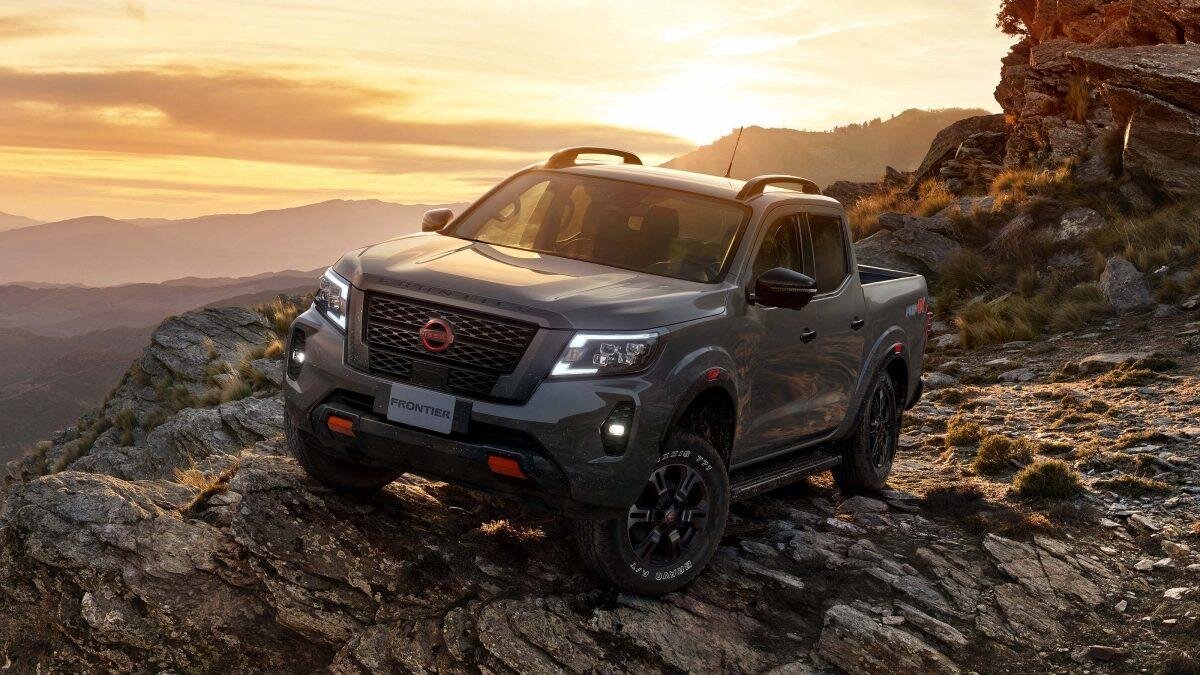
Chevy Colorado vs. Nissan Frontier: the sweet spot between “car life” and “truck stuff”
In Los Angeles, a full-size pickup can feel like showing up to a coffee date in hiking boots capable, sure, but a little much for the everyday. Parallel parking gets tense. Garages get tight. And you start treating curbs like they’re made of glass.
That’s why midsize trucks keep making sense for people who want an open bed, real towing ability, and that upright “I can see over traffic” seating position without the footprint (and appetite) of a Silverado or Titan. Two of the most talked-about options are Chevrolet’s Colorado and Nissan’s Frontier. They’re both honest body-on-frame pickups with available 4WD, proper low-range on off-road trims, and enough muscle for weekend work.
But they don’t feel the same in daily life. Not even close. The Colorado leans modern big screens, turbo torque, a slightly more “new school” vibe behind the wheel. The Frontier is old-school in a way that can be refreshing: a naturally aspirated V6, straightforward controls, and a trucky calmness that doesn’t chase trends.
For this comparison, I’m focusing on them as daily pickups: commuting, errands, city maneuvering, noise and ride quality, visibility, bed usability, and the occasional real task Home Depot runs, a small trailer, maybe a dusty fire road on the way to a trailhead. I’ll call out verified specs where they’re widely published; when numbers vary by trim or configuration (they do), I’ll say so plainly.
The basics: what you’re actually buying (and who else is in this fight)
Chevrolet Colorado (current generation introduced for 2023) is Chevy’s midsize pickup built on a body-on-frame chassis. For 2023–2026 model years, Chevy simplified the lineup: in the U.S., the Colorado comes as a crew cab with a short bed (about 5 feet). It’s powered by a turbocharged 2.7-liter inline-four in multiple output tunes depending on trim and year.
Nissan Frontier (current generation introduced for 2022) is also body-on-frame and sticks with one main engine: a naturally aspirated 3.8-liter V6 paired with a 9-speed automatic. It comes in more configurations than Colorado crew cab and king cab are offered, with different bed lengths depending on setup.
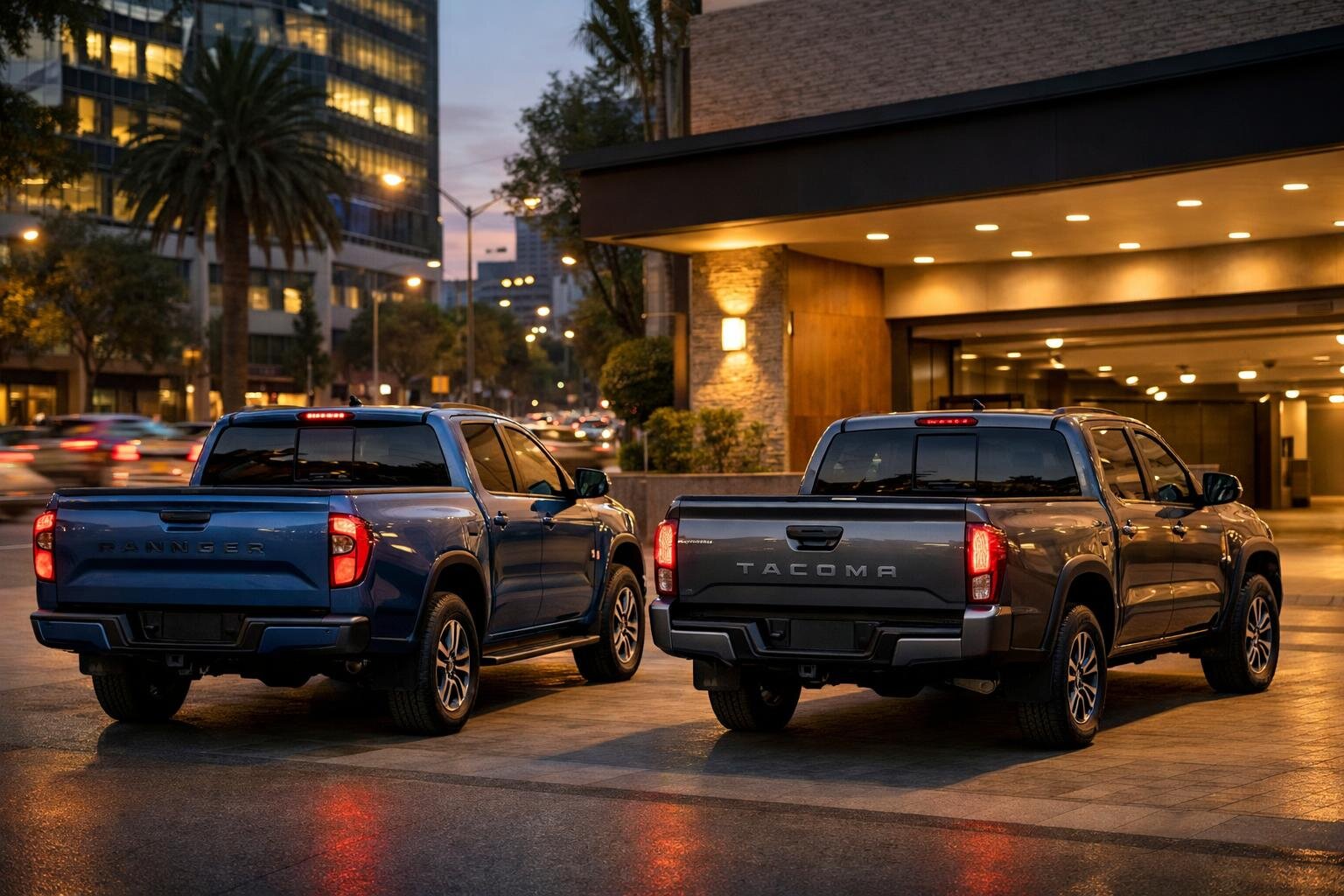
The obvious competitors? Toyota Tacoma (redesigned for 2024), Ford Ranger (redesigned for 2024), Jeep Gladiator, and Honda Ridgeline (unibody, more crossover-like). But today it’s Colorado vs. Frontier two trucks that feel like they were designed by people who still use gloves sometimes.
Powertrains: turbo punch vs. V6 smoothness
The quickest way to understand these trucks is to listen to them at low speed.
Colorado: The turbocharged 2.7-liter four has that faint spool-and-whoosh character when you roll into the throttle especially pulling away from lights or merging onto the 101 with half your life in the bed. Output depends on version: Chevy has offered tunes up to 310 horsepower and 430 lb-ft of torque on higher-output variants of this engine (widely published for recent Colorado trims). That torque number is the headline because it shows up early in real driving: you don’t need to rev it out to get moving. In traffic, it feels eager and modern less “wind it up,” more “lean on torque.”
Frontier: Nissan’s 3.8-liter V6 is rated at 310 horsepower and 281 lb-ft of torque. The character is classic V6: smoother sound, more linear build as revs rise, and none of the turbo lag/boost-management sensation some drivers notice in small-displacement turbo engines. Around town it feels predictable press pedal, get response though you do have to rev it more than the Colorado to access its best shove because it simply makes less torque.
If your daily driving is mostly city bursts short freeway merges, quick lane changes the Colorado’s torque advantage can make it feel less stressed. If you like an engine that sounds “normal” and doesn’t rely on boost to feel awake, Frontier’s V6 has an easygoing rhythm that suits commuting.
Towing and hauling: both can work, but one tends to flex harder
Midsize-truck towing numbers swing wildly depending on drivetrain (2WD/4WD), axle ratio, wheelbase/bed length, and tow package. So I’m sticking to widely cited maximums.
Colorado is commonly rated up to 7,700 pounds when properly equipped (a figure Chevrolet has published for recent model years). That’s enough for many small travel trailers, a pair of jet skis plus trailer, or a car on a lightweight trailer though payload and tongue weight math still matters.
Frontier is commonly rated up to 6,720 pounds when properly equipped (a widely published maximum). That’s still real capability; it just doesn’t reach quite as high as Colorado’s best-case setup.
In daily life, towing isn’t only about max rating it’s about how relaxed the truck feels doing normal truck things: carrying bulky loads in the bed or pulling a small utility trailer across town. Here the Colorado’s torque makes it feel like it has more in reserve at low speeds. The Frontier counters with an engine/transmission combo that feels straightforward when you’re creeping around with weight behind you no boost buildup to manage, no sense that power delivery changes shape mid-merge.
Beds and payload: Payload varies by trim and configuration for both trucks; exact numbers depend heavily on equipment and are not consistent enough across trims to quote one figure without caveats. If payload is central to your use case (dirt bikes every weekend; constant gravel runs), check the door-jamb sticker on the exact truck you’re shopping.
Fuel economy: neither is sipping like a crossover
Midsize pickups have gotten more efficient than their old-school predecessors but they’re still bricks with frames.
Frontier EPA ratings are widely published around 18–19 mpg city and about 23–24 mpg highway, depending on 2WD vs 4WD and trim (for example, many Frontier configurations land around 18/24 mpg). Expect real-world results to dip if you run aggressive tires or do lots of short trips.
Colorado EPA ratings vary by power tune and drivetrain; many configurations are published around the high teens city and low-to-mid 20s highway (often roughly 18–20 mpg city, 23–26 mpg highway, depending on setup). Some off-road-oriented trims with heavier tires can land lower.
If you’re hoping for hybrid-like savings, neither truck is going to deliver that vibe. But if your daily routine includes freeway miles between neighborhoods say Silver Lake to Santa Monica the difference between low-20s and mid-20s highway can show up over time. Just remember: tires and trim matter as much as marketing.
The daily-drive feel: steering weight, ride quality, and how “truck” each one feels
This is where personalities separate.
Colorado on city streets: It feels like Chevy tuned it with modern drivers in mind people who want a truck but spend most days dodging potholes and scooters. Steering effort tends to be moderate; there’s enough weight that it doesn’t feel toy-light, but it also doesn’t fight you when you’re threading through tight lanes downtown. The chassis feels composed over broken pavement for a body-on-frame truck, especially compared with older midsize pickups that used to hop over mid-corner bumps like startled rabbits.
Frontier on city streets: The Frontier drives like a traditional pickup in both good ways and mildly annoying ones. It feels solidly built at low speeds; there’s a planted heft when you roll over rough asphalt patches that would make some crossovers shudder. But ride quality can feel busier depending on trim/tire choice because it doesn’t hide its leaf-spring rear end as thoroughly as some rivals do when unladen.
Highway manners: Both are stable at speed. Neither feels like a sports sedan (obviously), but both track straight without needing constant correction when lanes open up heading toward Ventura or down into Orange County. Noise levels depend heavily on tires; off-road trims will always bring more hum into the cabin. In general day-to-day terms: Colorado gives off more of that “new platform” hush; Frontier reads slightly more old-school still perfectly livable, just not as polished in tone.
Sitting tall: visibility, seating position, and city maneuvering
Midsize trucks earn their keep here because they give you that commanding view without feeling like you’re piloting a barge.
Colorado: The driving position feels contemporary good adjustability, clear sightlines forward, and mirrors that do their job without drama. The hood is noticeable but not intimidating once you’ve spent an afternoon with it. In tight parking lots the kind with concrete pillars placed by someone who clearly hates cars the Colorado’s manageable size helps.
Frontier: The Frontier sits you upright in a very classic truck posture. Visibility is generally good; it feels easy to place in traffic because its proportions are simple and honest. In king-cab form especially (if you choose it), overall length can be friendlier for parking than longer-bed crew-cab setups from other brands but configuration matters here more than model name.
If your daily life involves lots of curbside stops grabbing takeout in Koreatown or doing quick gear drops the smaller midsize footprint versus full-size is the whole point. Both deliver that relief.
Inside the cabin: where buttons meet big screens
This might be the biggest lifestyle difference between these two trucks.
Colorado’s interior tech vibe: The current-generation Colorado leans into big-screen energy with an available large center touchscreen (widely reported at around 11 inches) paired with a digital gauge cluster on many trims. It looks sharp at night clean fonts, bright map graphics and it gives the cabin that “new car” feeling even if you’re just commuting to Trader Joe’s. Chevy also offers modern driver-assistance features depending on trim/packages; exact availability varies by model year and trim level.
Frontier’s interior tech vibe: Frontier updated its cabin significantly for this generation but keeps things simpler than Colorado overall. Many trims use an available larger touchscreen (widely reported around 9 inches) with physical controls nearby easy muscle memory stuff when you don’t want to jab at glass while bouncing over expansion joints on I-10. It feels functional first: sturdy knobs, straightforward menus.
The tactile stuff that matters daily: I pay attention to little moments the click of climate toggles, how quickly audio volume responds, whether steering-wheel buttons feel mushy or precise. The Frontier tends to win on “simple physical control satisfaction.” The Colorado tends to win on “this looks like 2025 inside.” Which one matters more depends on whether your truck is part tool or part rolling living room.
Cabin space: front-seat comfort is easy; back-seat reality depends on your life
Midsize trucks sell an image of do-it-all practicality but rear-seat comfort is still something you should test with real humans.
Colorado: Because recent Colorados are crew-cab-only in the U.S., rear-seat access is straightforward and family/friends duty is baked into every configuration. Legroom is usable for adults for shorter trips; for longer drives up the coast with four grown-ups plus gear, it can start feeling like everyone needs to negotiate knee space politely.
Frontier: This is where Nissan gives buyers choices: king cab if you mostly need occasional extra space behind the front seats; crew cab if people regularly ride back there. Crew cab will obviously be friendlier for adult passengers than king cab jump-style seating arrangements found in many extended-cab designs across the segment.
If you’re using your truck as your only vehicle and especially if friends end up in your back seat after dinner Colorado’s standard crew-cab layout simplifies decision-making. With Frontier you have more flexibility but also more chances to pick the wrong setup for your actual life.
The bed stuff everyone forgets until they need it: access, steps, tie-downs
A pickup bed isn’t just length it’s how easy it is to live with when your hands are full.
Easier access matters: Both trucks have beds that are lower than many full-size pickups simply because they sit smaller overall a quiet advantage when you’re lifting bags of soil or sliding in camera cases without wanting to climb like you’re boarding a boat dock.
Tie-downs and practicality: Both offer multiple tie-down points depending on trim/packages; availability varies by model year/trim so I won’t pretend every version comes identically equipped. What I will say: check for adjustable cleats/utilitarian rails if you carry odd-shaped gear often (surfboards plus coolers plus folding chairs). Those systems make daily hauling less chaotic than relying on two hooks at the corners.
Bumper steps / assist steps: Some trims across both lineups offer side steps or accessories that help shorter drivers reach into the bed without doing an awkward half-hop onto the tire sidewall. If bed access is part of your weekly routine not occasional you’ll appreciate those little aids more than flashy off-road badges.
Screens vs sanity: driver assistance and day-to-day tech trust
A daily pickup lives in traffic and traffic rewards calm systems more than fancy ones.
Colorado: With its newer architecture and tech presentation, Colorado often feels like it was designed assuming owners will actually use camera views and infotainment features constantly not just once during delivery day excitement. Camera clarity and available safety tech can reduce stress when backing into tight spaces or hitching up solo (feature availability depends heavily on trim).
Frontier: Frontier offers modern safety tech too depending on trim/packages; Nissan has made broad driver-assistance availability common across its lineup in recent years, though exact features vary by model year/trim level here as well. In practice Frontier’s simpler interface means fewer layers between you and basic tasks like changing fan speed or switching audio sources which sounds small until you’ve done it three times while wearing sunglasses at sunset glare hour.
The occasional work task: dirt roads, hardware runs, light trails
I’m not pretending everyone buying these trucks spends weekends rock crawling but most owners will end up somewhere dusty eventually: trailhead parking lots above Malibu Canyon roads after rain ruts form; desert camping spots where pavement disappears without warning; job sites with loose gravel entrances.
4WD hardware: Both Colorado and Frontier offer proper part-time four-wheel drive systems on 4WD models with low range available real truck stuff not just an AWD badge meant for wet freeway ramps.
The feel off pavement:
- The Colorado, particularly in off-road-oriented trims (like Z71/ZR2 families depending on year), tends to feel engineered for control at speed over rough surfaces more damped confidence when washboard starts rattling your teeth (specific off-road hardware varies by trim).
- The Frontier, especially in PRO-4X form (Nissan’s off-road-focused trim), feels tough and straightforward like it expects scratches now and then and won’t get dramatic about them.
I won’t claim specific approach angles or shock brands here because they vary by trim/year and those details matter but both have credible off-road options if your “work” includes getting out of cell service occasionally.
Noisy bits: engine soundtracks and what happens at 75 mph
p
The Colorado’s turbo-four doesn’t sound like an old V8 and no amount of nostalgia will change that but it does sound purposeful when loaded up with passengers climbing grades out toward Pasadena. There’s usually more mechanical texture under acceleration because four-cylinders tend to be busier by nature.
The Frontier’s V6 sounds more familiar rounder tone and often fades into background hum once cruising speed settles in.
Wind noise? Tire noise? Those depend hugely on trim tires (especially all-terrain rubber) more than brand loyalty does. If quiet matters most for long freeway slogs through LA sprawl, choose road-focused tires over aggressive tread patterns whenever possible.
Ownership factors: what practicality looks like after the honeymoon phase
You asked for ownership factors including price/maintenance/resale but also noted no price/benefit arguments; so I’ll keep this grounded in what tends to affect day-to-day ownership rather than trying to crown a “value winner.” Also note: pricing changes constantly by year/trim/incentives/region; quoting exact MSRPs here risks being outdated quickly unless tied to one specific model year window.
Price reality (broadly): In general market positioning, both can climb quickly once you add off-road packages or premium tech features; midsize trucks aren’t automatically “cheap trucks” anymore. Transaction prices fluctuate wildly based on inventory something LA buyers feel acutely when certain trims become trendy overnight.
Maintenance expectations:
- A naturally aspirated V6 like Frontier’s avoids some complexity associated with turbocharging hardware (though modern turbos are common industry-wide). Routine maintenance still matters most: oil changes on schedule, fluids checked regularly especially if towing or driving dusty trails often.
- A turbocharged engine like Colorado’s may reward attentive maintenance habits if you drive hard or tow regularly again not because turbos are inherently fragile across-the-board, but because heat/load management becomes part of long-term life in any boosted setup.
I’m not going to invent predicted repair rates here; those vary by year/model history and data sources like Consumer Reports or J.D Power studies which change annually and would need precise citations per model year/trim to be responsibly quoted.
Resale: p
Midsize trucks often hold value well compared with many passenger cars because demand stays steady among outdoor lifestyles and small-business owners. Historically Toyota has been king here; between these two specifically, resale depends heavily on market tastes by region and trim desirability (off-road packages often help). For exact resale projections I’d point shoppers toward current-year guides from Kelley Blue Book or Edmunds rather than offering blanket promises without fresh numbers attached.
The vibe check: which one fits which kind of daily life?
p
If your truck has to feel like part of your modern digital life the kind where CarPlay maps are always up, where screen clarity matters at night while cruising Sunset Boulevard the Colorado makes an immediate case just through atmosphere alone. Add its strong torque output in higher-output forms (up to 430 lb-ft) plus its higher max tow rating (up to 7,700 lbs) when equipped correctly, and it reads like the midsize truck trying hardest not to feel “midsize.” It wants to be your everyday vehicle first…that also happens to haul plywood without complaining.
If what calms you down is simplicity the steady pull of a naturally aspirated V6 () paired with controls that don’t require menu diving the Nissan Frontier has this grounded honesty that plays well day after day . Its max tow rating (~6 ,720 lbs ) isn’t class-leading , but it's enough for plenty of real people doing real weekend tasks . And there ’ s something satisfying about how un-fussy it feels : less trying-to-impress , more ready-to-work . p < p >Either way , both trucks nail what so many Angelenos secretly want : something easier than full-size life , tougher than crossover life , sized right for city streets but still ready when plans turn into projects .
0 comments
Join the discussion around this article.
Please login to comment.