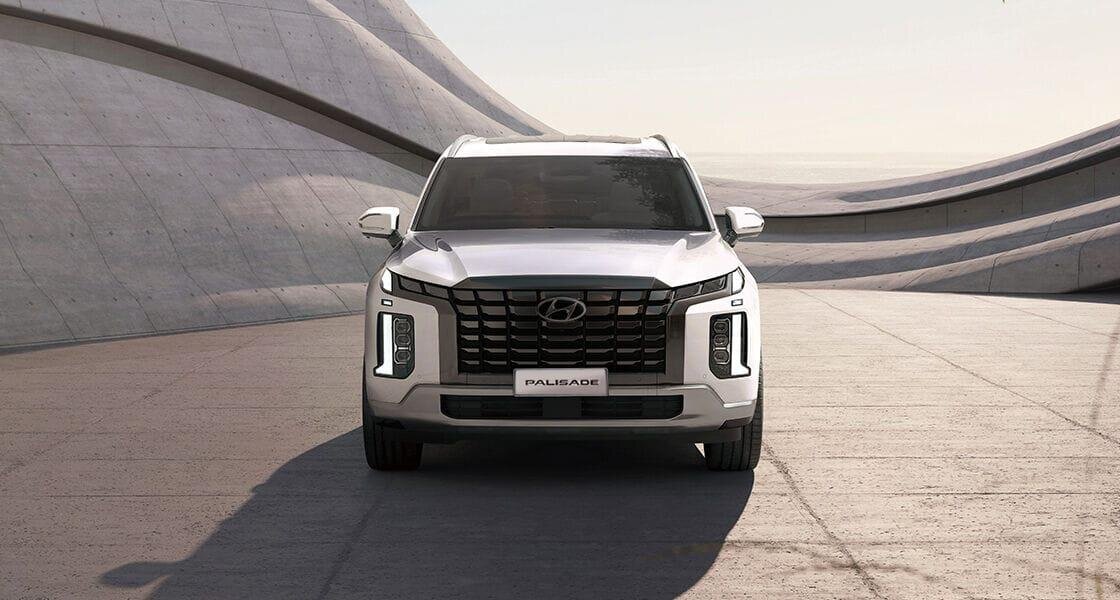
2025 Hyundai Palisade Review: the three-row that sweats the small stuff
I’m Michael Turner, based in Detroit, and I’ve been writing about cars long enough to remember when “three-row crossover” meant a minivan in denial. The 2025 Hyundai Palisade isn’t new-new it’s part of the current generation that debuted for 2020 and received a substantial refresh for 2023 but it’s exactly the kind of vehicle that earns its keep in the details. Not the brochure details. The daily ones: third-row access with a child seat installed, whether the climate controls make sense at 70 mph, how the driver-assist systems behave when Michigan lane markings turn into abstract art.
One honesty note up front: Hyundai hadn’t publicly reinvented the Palisade for 2025 at the time of my knowledge cutoff, and there isn’t a widely verified, model-year-specific overhaul I can cite as fact. So this review focuses on what’s broadly known and consistent for the current Palisade lineup in recent model years (including the refreshed design and features introduced for 2023) and what you can reasonably expect from a 2025 Palisade on sale as a carryover or lightly updated model. If Hyundai changes packaging, trims, or pricing midstream, treat those as dealer-window-sticker specifics rather than gospel.
What it is (and who it’s gunning for)
The Palisade is Hyundai’s biggest SUV, a three-row family hauler with seating for seven or eight depending on whether you pick second-row captain’s chairs or a bench. It’s built to square off against the usual suspects: Kia Telluride (its corporate cousin and closest philosophical rival), Toyota Grand Highlander, Honda Pilot, Ford Explorer, Chevrolet Traverse (and its newer-generation successor depending on model year), Mazda CX-90, Subaru Ascent, and if you’re cross-shopping aspirationally entry luxury three-rows like the Acura MDX or Buick Enclave.
Hyundai’s angle has been consistent: make it feel expensive without making you pay luxury-brand money. In practice, that means a quiet cabin, a polished ride, lots of standard safety tech, and an interior that looks like someone actually sat in it with groceries and kids before signing off on the design.
Verified basics: powertrain, drivetrain, towing, mpg
Mechanically, the Palisade sticks to a straightforward formula. The widely reported setup for this generation is a naturally aspirated 3.8-liter V6 paired with an 8-speed automatic transmission. Output is commonly listed at 291 horsepower and 262 lb-ft of torque. Front-wheel drive is standard; all-wheel drive is available.
Towing capacity is typically rated up to 5,000 pounds when properly equipped competitive for this class, though not class-leading if you’re comparing to some turbocharged rivals with higher torque peaks on paper.
Fuel economy varies by drivetrain and trim/wheel package; broadly published EPA figures for recent Palisade model years land around the high teens city and mid-20s highway (think roughly 19/26 mpg for FWD and about 19/24 mpg for AWD). Exact 2025 EPA numbers should be verified on the window sticker or FuelEconomy.gov once finalized for that model year.
The important real-world takeaway: this V6 doesn’t feel trendy, but it feels right. No turbo lag games. No “is it awake yet?” hesitation when you roll into traffic. Just a smooth swell of power with a faint, workmanlike hum when you ask for more.
Design: big SUV energy, cleaned up
The refreshed Palisade styling (introduced for 2023) leans bolder than early versions more upright grille presence up front and cleaner surfacing overall. It still reads as family transport first, fashion statement second, but it no longer looks like it’s apologizing for being large.
I also appreciate that Hyundai didn’t chase coupe-SUV rooflines here. The Palisade looks like it was drawn by someone who understands that third-row headroom matters more than Instagram angles.
Behind the wheel: calm competence beats drama
Driving the Palisade is less about thrills and more about removing friction from your day. The steering has a reassuring weight to it not sports-sedan talkative, but not video-game numb either. It tracks straight on the highway without constant micro-corrections, which matters when you’re two hours into I-75 traffic and your coffee has gone cold.
The V6/8-speed combo is easygoing. Around town it slips through gears smoothly; on highway merges it gives you usable acceleration without sounding strained. If you’re coming from a turbo-four competitor (say an Explorer or some versions of the Traverse depending on year), you may notice the Palisade’s power delivery is more linear than punchy. That’s not a criticism. It’s just different more “grown-up” than “look what I can do.”
Ride quality is one of this SUV’s core strengths. Over broken pavement the kind we treat as seasonal décor in Michigan the suspension takes the sharp edges off pothole impacts without turning floaty. You still feel big bumps (physics wins), but there’s less crashing and shuddering than you get in some stiffer-tuned rivals.
Highway noise and long-haul comfort: where families actually live
At highway speeds, the Palisade tends to be impressively hushed for a mainstream three-row. Wind noise around the mirrors is controlled; tire roar depends heavily on whatever rubber your specific trim wears, but overall it’s the sort of quiet that makes conversation easy in normal voices.
Here’s my quick credibility check: it’s not S-Class quiet and it doesn’t need to be but on many stretches it feels calmer than body-on-frame trucks at speed (a Silverado will often give you more wind-and-tire soundtrack), and that calm translates directly into less driver fatigue.
The seats generally strike a good balance between cushion and support for long stints. If you’ve done Detroit-to-Chicago runs in vehicles with overly flat cushions or aggressive bolsters that look sporty but punish your hips after an hour… yeah. The Palisade isn’t that.
Inside the cabin: where buttons meet big screens
Hyundai’s interior design on this generation is one of its best arguments against paying luxury money. Materials look upscale in higher trims soft-touch surfaces where your elbows land and even lower trims tend to avoid that shiny hard plastic sheen that screams “rental spec.”
Tech-wise, most refreshed Palisades use a large infotainment display (commonly a 12.3-inch unit on higher trims) paired with an equally modern-looking digital instrument cluster depending on trim. Apple CarPlay and Android Auto are widely available; whether they’re wireless or wired can vary by model year and configuration across Hyundai products, so I won’t claim one way or another without checking your specific build sheet.
The best part isn’t screen size it’s usability. Hyundai typically keeps physical controls for key functions like temperature and volume in this era of vehicles, which means you can make small adjustments by feel instead of playing whack-a-mole with menus while doing 72 mph.
Menu logic: mostly sane, occasionally fussy
The infotainment interface is generally logical once you learn where things live. The icons are clear; response times are usually quick enough that you don’t feel like you’re waiting on dial-up internet.
My mild annoyance and this applies to plenty of modern cars is how deep some convenience settings can be buried (driver-assist preferences, warning volumes, certain vehicle settings). You set them once and forget them… until someone else drives your car or a software update nudges something back toward default behavior.
Second row: captain’s chairs vs bench (pick your lifestyle)
The second row is where Palisade owners spend most of their “I made the right choice” moments. With captain’s chairs (common on upper trims), adults get genuine comfort back there real legroom, decent thigh support and kids get fewer opportunities to start World War III over elbow territory.
A bench seat gives you eight-passenger capacity and can be better if you regularly carry three kids across row two or want maximum flexibility for car seats plus an adult passenger.
If your life involves child seats: captain’s chairs can make third-row access easier because there’s often a walk-through path between them no need to flip anything forward if everyone cooperates. But if your particular routine involves buckling toddlers while holding backpacks like awkward kettlebells… sometimes simplicity wins and you’ll appreciate whichever configuration gives you the least drama.
Third-row access: better than most, still not magic
The Palisade does a solid job making its third row usable rather than symbolic. Access is helped by wide rear doors and second-row mechanisms designed to tumble/slide forward.
Real talk: third-row access in any crossover gets harder once you add bulky rear-facing child seats in row two. Some setups will force you into contortionist mode no matter what brand badge is on the grille. The Palisade isn’t immune but compared with tighter-feeling three-rows, it tends to feel less claustrophobic getting back there.
The third row itself: kid-friendly first, adult-capable in short bursts
For kids and teens, the third row works well especially for shorter trips or even longer ones if they’re not all legs yet. Adults can fit back there too; whether they’ll thank you depends on trip length and how far forward row two needs to be set for everyone else.
This is where rivals differentiate: something like Toyota’s Grand Highlander has been praised widely for maximizing usable third-row space (and cargo behind it), while sportier alternatives like Mazda’s CX-90 trade some airy openness for driving feel and design flair.
Cargo space: family-hauler practical
Palisade cargo room is competitive for its class: useful behind the third row for daily errands, genuinely big with rows folded for home-improvement runs. Exact cubic-foot numbers vary by measurement method and model-year spec sheets; rather than risk misquoting them here without verifying 2025 documentation line-by-line, I’ll stick to what matters: it carries strollers, sports bags, groceries, and airport luggage without feeling like Tetris every time especially once you fold row three flat.
Climate control by row: small knobs, big quality-of-life payoff
If you’ve ever played “why is Dad freezing while everyone else is sweating,” you’ll appreciate how well modern three-row HVAC systems can manage zones and Hyundai generally gets this right in the Palisade.
Depending on trim/package, you’ll find multi-zone automatic climate control up front with additional controls/vents serving rear passengers (second row) and dedicated airflow reaching the third row as well. The key isn’t just having vents it’s having enough airflow volume that back-row passengers don’t feel like they’re breathing recycled front-seat decisions.
The tactile part matters too: physical climate buttons with a clean click beat touchscreen-only sliders when you’re wearing gloves in February or trying not to take your eyes off traffic near downtown Detroit construction zones.
Parking ease: big body, surprisingly manageable manners
The Palisade is not small no one confuses it with a Tucson but it doesn’t drive like an aircraft carrier either. Sightlines are decent for the class; mirrors do their job; steering effort at low speeds feels appropriately light without becoming vague.
This is also where camera systems earn their keep. Many Palisades are equipped with strong surround-view camera setups (trim-dependent), plus parking sensors that help prevent bumper kisses with low poles in cramped lots. Image quality tends to be good enough that you trust what you’re seeing not always true in this segment where some systems still look like they were filmed through a foggy aquarium wall.
Driver assistance tech: confident most days, picky on bad lane markings
Hyundai has built a reputation for offering robust safety tech across trims forward collision avoidance features, blind-spot monitoring, lane keeping aids, adaptive cruise control depending on configuration all common expectations now in this class.
In use, these systems generally feel well-calibrated rather than twitchy. Adaptive cruise typically maintains gaps smoothly instead of accelerating/braking like an anxious new driver. Lane-centering assists can reduce fatigue on long interstate slogs but like every brand’s system I’ve used in Michigan winters or post-construction lanes, performance depends heavily on visible markings and weather conditions.
I always tell readers: treat these as assistance features not autonomy and you’ll be happier with every vehicle in this segment from Hyundai to Honda to Ford.
How it stacks up against rivals (without turning into a spreadsheet)
Kia Telluride: The Telluride remains the closest alternative same corporate family DNA but different styling vibes and trim strategies year-to-year. In practice they’re both strong values; pick based on design preference, availability/pricing in your area, seat configuration needs, and which interior layout fits your brain better after five minutes of poking around menus.
Toyota Grand Highlander / Highlander: Toyota leans hard into efficiency options (including hybrids) depending on model; if fuel economy is your top priority or you want Toyota’s hybrid ecosystem specifically, cross-shop seriously here. The Palisade counters with an upscale cabin feel per dollar and an easygoing V6 character many buyers still prefer.
Honda Pilot: The Pilot brings classic Honda practicality and typically strong packaging plus an outdoorsy TrailSport angle if that matters to you. The Hyundai often feels more overtly premium inside at comparable money more “near-lux” ambiance though Honda nails ergonomics too.
Mazda CX-90: If you want sharper handling flavor in your family SUV life, Mazda makes a compelling case with its newer platform approach (and available electrified powertrains depending on trim). But Mazda tends to trade some interior/cargo openness for style and driving engagement; families who prioritize space-everywhere may still prefer Hyundai’s roomier vibe.
Chevrolet Traverse / Ford Explorer: Domestic options can offer strong powertrain choices depending on year/trim and sometimes bigger-feeling cargo holds but interior polish and interface execution vary widely by generation and option package. The Palisade feels consistently cohesive: fewer weak links between what looks nice and what works well daily.
Ownership costs & value: why people keep buying these
Palisade pricing fluctuates by trim level (and market conditions), but its reputation has been anchored by value: lots of features per dollar compared with similarly sized rivals and especially compared with stepping into luxury territory.
A major part of Hyundai ownership math is warranty coverage; Hyundai has long been known in the U.S. market for offering one of the stronger warranty packages among mainstream brands (commonly cited as 5-year/60k-mile basic and 10-year/100k-mile powertrain coverage). Always verify current terms for 2025 via Hyundai USA because coverage details can change by owner status and specific components but as a general proposition it remains one of Hyundai’s strongest selling points versus Toyota/Honda/Mazda warranties that are typically shorter on paper.
Fuel costs are middle-of-the-pack given the V6-only approach; if gas spend dominates your budget calculus or your commute is brutal stop-and-go every day, hybrid competitors may pencil out better over time even if their purchase price runs higher upfront.
The stuff you notice after 7–10 days of ownership
You stop thinking about how to operate it. That sounds boring until you’ve lived with an interface that fights you every morning. The Palisade tends to fade into the background in a good way because common tasks are straightforward: temperature changes don’t require an engineering degree; volume knobs still exist; storage bins are where your hands expect them to be.
Your passengers comment on comfort more than gadgets. Friends climbing into row two usually mention space first (“Oh wow”) rather than screen size. That tells me Hyundai got priorities right: seat comfort + legroom + airflow beat gimmicks every time when real humans are involved.
You learn exactly how big it is… then forget again. Day one in tight parking spots feels like piloting something substantial. By week two with cameras/sensors doing their part you’ll swing into spaces more confidently. It never becomes “small,” but it becomes familiar quickly.
The third row becomes situationally brilliant instead of constantly used. Most families don’t run full-time seven/eight passengers daily; they need capability spikes carpool days, visiting relatives at DTW arrivals pickup lanes, weekend tournaments where everyone brings gear like they’re moving out permanently. The Palisade shines when those spikes hit because row three isn’t punishment seating and access doesn’t require removing half your life from row two first (depending on car-seat reality).
You start appreciating noise control as luxury-lite currency. After several days of commuting or school runs with podcasts playing at normal volume instead of shouting over tire roar, quiet becomes addictive. It also makes long trips feel shorter which might be my favorite “feature” because nobody sells it honestly until you’ve lived with it.
A few gripes worth mentioning
No vehicle nails everything at this price point even one as thoughtfully executed as this Hyundai and some complaints come down to preferences rather than flaws:
If you want maximum efficiency options: A V6-only strategy keeps things simple but leaves hybrid shoppers looking elsewhere in this segment where electrified choices are becoming more common year by year.
If sporty handling matters: This isn’t trying to be a canyon-carver. It stays composed and confident but prioritizes comfort over playfulness more family-room sofa than Eames chair. p>
If your life involves constant third-row adult duty: You may want to test alternatives known for extra third-row/cargo generosity (Toyota Grand Highlander comes up often in these conversations) before committing based purely on looks or features-per-dollar.
The verdict from Detroit
The 2025 Hyundai Palisade succeeds because it doesn’t chase novelty at the expense of usability. The V6 feels smooth and predictable; highway comfort is genuinely relaxing; interior execution lands closer to entry-luxury vibes than most mainstream badges manage; and day-to-day ergonomics make sense when you’re tired and distracted which is basically modern parenting distilled into one sentence. p>If I were shopping this class with my own money? I’d still cross-shop Telluride for obvious reasons and take a hard look at Grand Highlander if fuel economy/hybrid availability is central to my budget plan. But if what you want is an upscale-feeling three-row that gets all the little family details right and doesn’t punish you with weird controls or constant noise the Palisade remains one of the smartest picks in America’s big-family SUV aisle.
0 comments
Join the discussion around this article.
Please login to comment.