Cadillac Lyriq Review: Quiet Luxury EV, Real-World Controls, and Daily Convenience
By Michael Turner (Detroit). Fifteen-plus years of writing about cars has taught me a simple truth: luxury isn’t a spec sheet. It’s the way a vehicle lowers your blood pressure on a rough stretch of I-94. It’s the ease of sliding in without doing that awkward one-leg-first shuffle. It’s how quickly you can change the cabin temp without taking your eyes off Woodward.
The Cadillac Lyriq Cadillac’s first clean-sheet, long-range EV gets a lot of those little things right. It also reminds you, at times, that General Motors is still learning how to make software feel as polished as leather. After spending time with the Lyriq in the sort of daily routine Detroiters know well broken pavement, highway slogs, tight parking garages, and winter-gray visibility I came away impressed by its quiet competence, mildly annoyed by a few tech quirks, and convinced it’s one of the more livable luxury EVs in its price band.
Before we get into impressions, here are the verified basics (and I’ll be upfront where trim-by-trim details vary): Lyriq is a two-row midsize luxury electric crossover built on GM’s Ultium platform. Early models were rear-wheel drive; all-wheel drive is available. Battery capacity is widely reported at about 102 kWh usable (GM often cites 102 kWh; some sources describe it as “around 100+”). EPA range depends on configuration: the rear-drive Lyriq has been rated up to about 312 miles in certain model years/trims, while AWD versions are lower (commonly around the high-200s). Power also varies: RWD outputs have been quoted around 340 hp, and AWD around 500 hp. DC fast-charging capability is commonly listed at up to 190 kW, with GM also advertising roughly 76 miles of range added in about 10 minutes under ideal conditions. Towing is available on some trims/configs; figures vary by year and equipment often cited up to around 3,500 lb for properly equipped AWD models but check the exact rating on the window sticker because Cadillac has changed packaging and ratings over time.
Key rivals? The obvious ones are Tesla Model Y (efficiency and charging network), Audi Q8 e-tron (traditional luxury feel but older tech/packaging), BMW iX (more expensive but very refined), Mercedes-Benz EQE SUV (comfort-forward), Genesis GV70 Electrified (smaller but premium), and Volvo EX90/Polestar offerings depending on budget and size. The Lyriq also ends up cross-shopped with mainstream EVs like the Hyundai Ioniq 5/Kia EV6 because buyers care about range-per-dollar even if they want a crest on the hood.
First impressions: Cadillac finally found its EV face
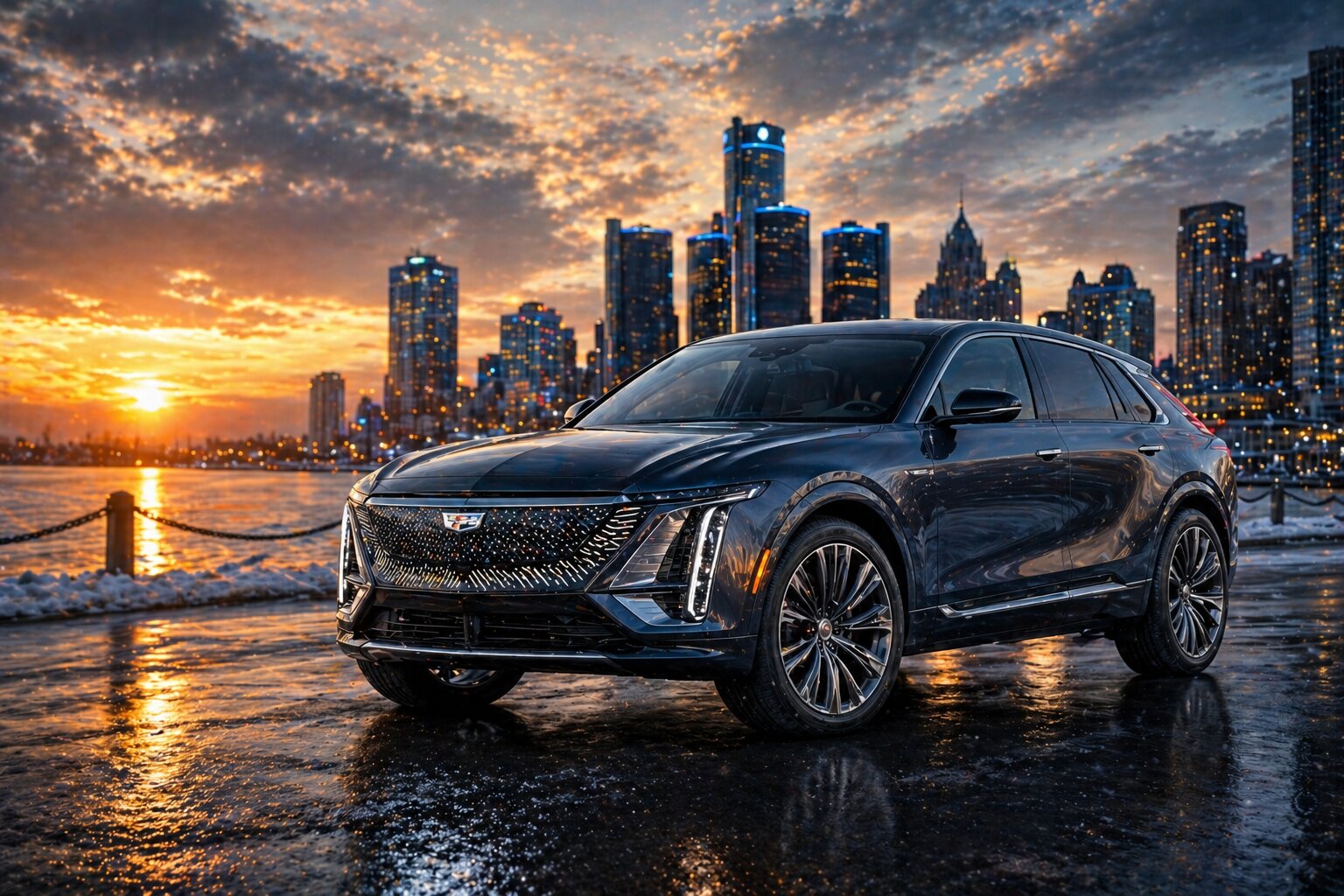
The Lyriq looks like Cadillac thought about proportions first and brand signatures second which is a compliment. The nose is clean and modern without going full sci-fi appliance. Vertical lighting elements give it that Cadillac presence at night, and the body sides have enough tension to keep it from looking like a smoothed-over jellybean.
It’s not tiny. In Detroit traffic it reads “midsize luxury crossover,” not “city runabout.” Yet it doesn’t have the visual bulk of something like a Mercedes EQS SUV. If you’re coming from an XT5 or even an older SRX, the Lyriq feels like a natural evolution rather than a weird detour.
Getting in and getting comfortable: the daily-luxury test
This is where I start every ownership-minded review: entry, seating, sightlines, and those first ten seconds after you close the door.
The Lyriq’s step-in height is friendly. You don’t drop down into it like a sedan, but you also don’t climb up like a body-on-frame SUV. The door openings are generous enough that I didn’t have to fold myself into origami getting in with a winter coat on. Seats vary by trim, but overall Cadillac has been on a good run with front-seat comfort lately, and Lyriq continues that trend supportive without feeling like you’re being held hostage by aggressive bolsters.
Close the door and you get one of the Lyriq’s best tricks: hush. There’s that EV baseline calm no idle tremor, no drivetrain shudder but the Lyriq layers real isolation on top. On Michigan highways with coarse concrete seams, it stays quieter than plenty of gas SUVs I’ve driven recently (and yes, quieter than a Silverado at highway speeds in the sense that there’s no powertrain presence fighting road noise). You still hear tire roar on certain surfaces physics always collects its fee but the overall impression is smooth and settled.
Inside the cabin: where buttons meet big screens
Cadillac went big on screen real estate with what it markets as a 33-inch diagonal LED display spanning instrument cluster and infotainment area in one sweeping panel. It looks great at night crisp graphics, good contrast and during daylight it holds up well without turning into a mirror.
Here’s what I appreciated as someone who actually drives these things in traffic: Cadillac didn’t bury everything in touch menus. There are physical controls where they matter. The click and resistance of certain knobs/buttons (especially for volume and some climate functions) feels intentional like somebody argued for them in a meeting and won.
That said, software polish can still be hit-or-miss depending on model year updates. GM’s Google built-in approach (Google Maps/Assistant baked in) can be genuinely useful if you live in that ecosystem; native mapping is often better integrated with battery routing than generic phone mirroring. Apple CarPlay support has been present on Lyriq for many model years (and availability can depend on software revisions), but GM has also signaled shifts in strategy across its EV lineup over time so if CarPlay/Android Auto is non-negotiable for you, confirm your exact model year/trim supports what you expect before signing anything.
Materials? Mostly convincing for the price class. You get real “premium vibes” in ambient lighting choices, stitched surfaces, and overall design coherence. Where it doesn’t always feel top-tier German is in some lower touch points certain plastics down low don’t have that Audi-like density and occasional squeaks/rattles can show up depending on build and road conditions (not unique to Cadillac; just more noticeable when an EV is otherwise quiet).
Visibility: better than expected, still an SUV reality
The Lyriq’s forward visibility is solid for a modern crossover with thick A-pillars and safety structure everywhere. The hood line isn’t absurdly high, so placing the front corners isn’t as guessy as some rivals.
Rearward visibility is more mixed again, normal for this shape with a rising beltline and styling-driven rear glass area. This is where good mirrors and camera systems matter more than ever.
Cameras and parking: daily convenience done mostly right
Parking assistance tech isn’t exciting until you live with it every day. The Lyriq’s camera system does a lot of heavy lifting in tight spaces, especially if you’re coming from an older SUV without crisp surround views.
The key here is clarity and latency: when you turn into a spot or back out near pedestrians in downtown Detroit or Royal Oak chaos, you want an image that updates instantly rather than feeling like it’s buffering. In my experience with Lyriq, the camera presentation is generally sharp and confidence-inspiring; if there’s a weak link it tends to be software behavior rather than raw image quality occasional delays loading certain views or menu logic that feels one tap too many.
If your Lyriq has GM’s hands-free driving tech (Super Cruise availability depends heavily on trim/year/options), it remains one of GM’s standout features on compatible highways calming rather than gimmicky when used as intended. But since availability varies widely and because hands-free systems are only as good as their mapped roads I treat it as a bonus rather than the reason to buy.
On the move: quiet torque, gentle manners
The Lyriq doesn’t try to be a juvenile rocket ship. Thank goodness.
Rear-wheel-drive versions are plenty for normal driving; published output has commonly been around 340 horsepower. You feel that immediate EV torque off the line clean launch, no gear hunting and then it settles into an easy surge rather than pinning your shoulders like some performance EVs do just because they can.
All-wheel-drive versions bump output substantially (often quoted around 500 horsepower combined). That extra shove shows up most clearly in passing power from 40 to 70 mph merging onto Southfield Freeway becomes almost comically easy but even then the Lyriq keeps its composure. It’s quick without being frantic.
Steering feel? This isn’t an old-school hydraulic rack with chatter through your palms; it’s modern electric assist tuned for stability and low effort. Around town it’s light enough for easy parking maneuvers; at highway speed it firms up appropriately. If you’re coming from something like a BMW iX (which can feel surprisingly tied-down despite its size), the Cadillac won’t strike you as sporty-first but it also won’t punish you with jittery ride tuning just to chase lap times nobody asked for.
Ride quality: Michigan roads don’t scare it
This was one of my biggest questions going in because EVs are heavy battery mass doesn’t care about your brand story and heavy vehicles can either feel planted or clumsy depending on suspension tuning.
The Lyriq leans toward comfort. Over broken pavement it does a respectable job rounding off sharp edges without floating afterward like an old couch-sprung sedan. There’s still that unmistakable “big vehicle” moment over certain dips where you feel mass move, but damping control is generally well judged for daily driving.
I wouldn’t call it floaty; I’d call it calm. And calm is what most luxury buyers actually use every day.
Regenerative braking: easy to adapt to
Cadillac gives drivers options for regen behavior (exact names/settings can vary by year/software). The important part: you can drive smoothly without having to master an overly aggressive one-pedal mode if you don’t want to.
I tend to appreciate one-pedal driving in stop-and-go traffic when it’s tuned predictably no sudden grabby decel when you lift slightly and Lyriq generally plays nice here. It’s not perfect across all situations (few are), but it’s easy to get comfortable within an hour or two behind the wheel.
The premium experience: where Lyriq nails it and where it doesn’t
Where it feels premium: Noise isolation is genuinely impressive for this class; cruising feels expensive even when speeds aren’t. The cabin design looks cohesive rather than slapped together around screens. And there’s an ease to daily operation seat comfort, reasonable control layout that matters more over months than any launch-control party trick.
Where it sometimes doesn’t: Software behavior can still feel like “version 1.x” compared with Tesla’s relentless interface iteration or BMW’s slick iDrive ecosystem. And while materials are generally strong for the money, some details don’t match what you’d get stepping up into higher-priced European options like BMW iX or certain Mercedes trims.
Charging routine: what living with it actually feels like
The charging conversation gets distorted online because everyone argues extremes: perfect home charging versus worst-case public charging nightmares. Real life sits somewhere between.
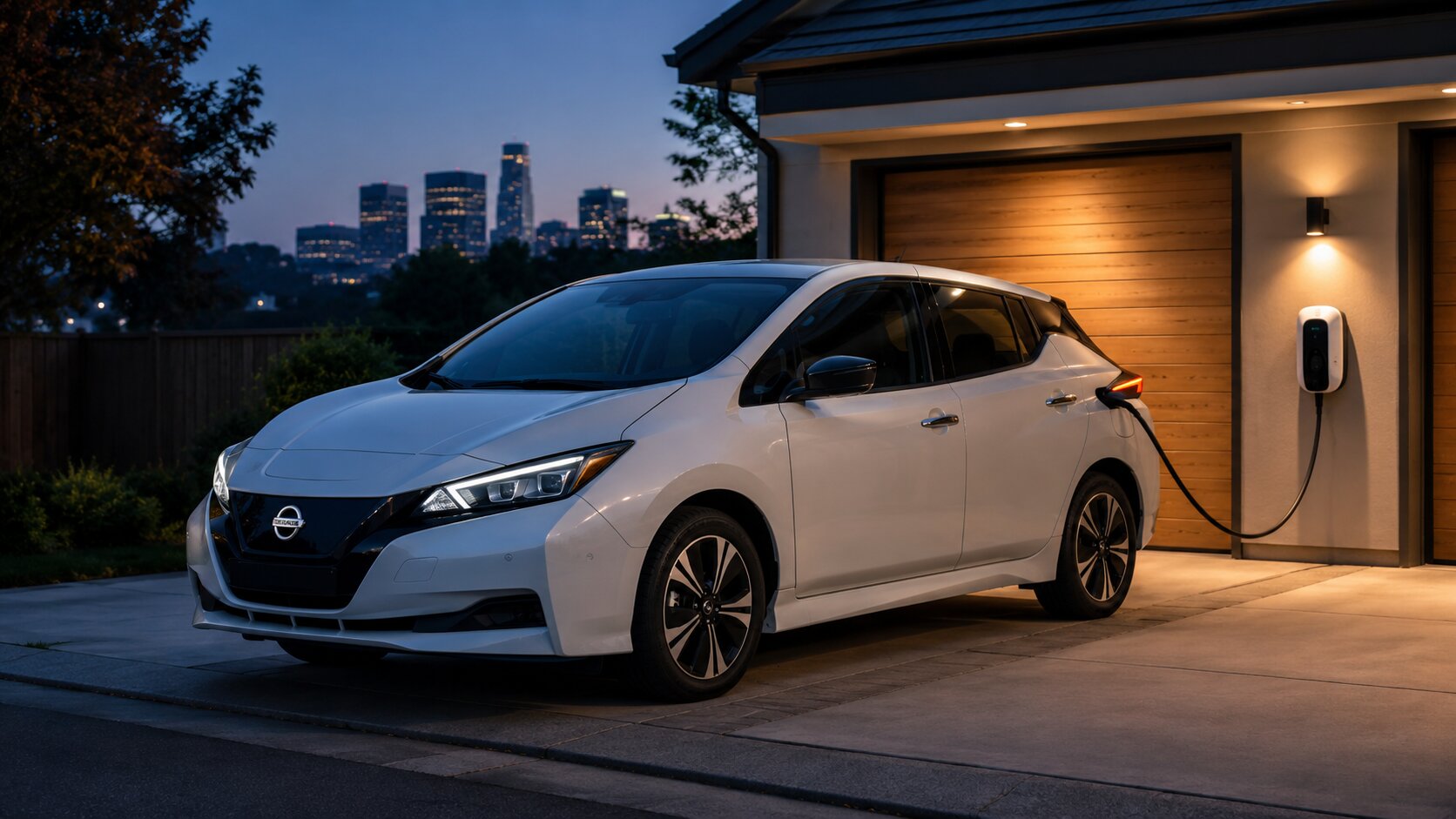
If you can charge at home even with basic Level 2 the Lyriq makes daily life easy. Plugging in becomes as routine as setting your phone down at night. For most commutes, you’re not “going to charge”; you’re just starting each morning with enough range.
On road trips or busy weeks when public DC fast charging enters the picture, Lyriq supports fast charging up to about 190 kW under ideal conditions. In practice, actual speed depends on charger capability, battery temperature/state of charge, and network reliability variables no automaker fully controls once you leave your driveway.
I will say this: charging etiquette matters more in an EV this size because people buy them expecting real travel ability. The Lyriq has enough range (again: up to roughly low-300 miles EPA for certain RWD versions) that you’re not stopping constantly if your route supports reliable chargers but planning still matters more than with gas.
If you’re comparing directly to Tesla Model Y, Tesla still enjoys an advantage in charging-network integration and general ease-of-use on long trips (even as other networks improve). Cadillac counters with a quieter cabin vibe and more traditional luxury cues the kind that make hours behind the wheel feel less like sitting inside consumer electronics.
Practical stuff: storage, family duty, and everyday ergonomics
The Lyriq is a two-row crossover first and foremost not a three-row family hauler and that honesty helps its design. Cargo space is competitive for its class even if exact cubic-foot numbers vary by measurement method; what matters day-to-day is shape usability. The load floor is reasonably accessible, openings are wide enough for bulky items, and there aren’t too many weird intrusions stealing space.
Second-row comfort is good for adults; legroom feels appropriate for midsize luxury duty. If your family regularly carries three across or needs third-row flexibility, this isn’t your solution look toward larger SUVs or wait for Cadillac’s three-row EV options rather than forcing this one into a job description it didn’t apply for.
Ownership notes: costs and realities (without fantasy math)
EV ownership costs are heavily dependent on your electricity rates, driving patterns, climate use (winter range hits are real), insurance rates in your ZIP code, and whether your local dealer treats service like hospitality or punishment.
The Lyriq benefits from typical EV advantages: fewer routine maintenance items than an ICE vehicle (no oil changes), strong low-speed efficiency around town relative to big gas SUVs, and reduced brake wear thanks to regen braking habits assuming your driving style isn’t all panic stops all day long.
Tires can be a hidden cost on heavier EVs due to weight and torque; how quickly they wear depends on wheel/tire spec and how often you enjoy that instant acceleration leaving lights on Jefferson Avenue.
Rivals check: who should cross-shop and why
Tesla Model Y: Still the efficiency-and-network benchmark in this price neighborhood depending on incentives/pricing swings. But cabin quietness/material warmth aren’t its strengths versus Lyriq’s more traditional luxury approach.
Audi Q8 e-tron: Feels solidly built with classic Audi refinement; however its underlying platform traces back earlier than newer-gen competitors and tends to trade efficiency/range-per-kWh for vault-like feel.
Genesis GV70 Electrified: Smaller footprint with strong interior craftsmanship; great if you don’t need midsize space but want premium vibes without German pricing escalation.
BMW iX: A step up in price but also in dynamic polish; if money allows and you prioritize steering/handling sophistication plus high-end cabin execution, iX remains compelling even if its styling remains…a conversation starter.
Mercedes EQE SUV: Comfort-forward luxury with tech-heavy presentation; some buyers love its softness while others find it less engaging from behind the wheel compared with Cadillac’s more straightforward controls approach.
The small annoyances: what would I change?
I’d ask Cadillac to keep refining software responsiveness and menu logic until nothing feels like an afterthought. When an EV cabin is this quiet, little digital hiccups become louder than they should be.
I’d also keep pushing physical controls where they matter most temperature adjustments should never require hunting through layers while dodging potholes near downtown construction zones.
The verdict: a genuinely livable luxury EV
The Cadillac Lyriq succeeds because it doesn’t confuse luxury with theatrics. It delivers calm powertrain response whether you choose RWD (~340 hp) or AWD (~500 hp). It rides Michigan roads with mature damping control instead of brittle “sport” posturing. And it wraps all that in an interior that looks modern while still respecting drivers who prefer real knobs over endless tapping.
Nope it isn’t perfect. Charging away from home still depends heavily on infrastructure reality more than brochure promises, software polish varies by update cadence, and some material details won’t fool someone stepping out of a pricier European flagship EV.
But if what you want is quiet luxury you can use every day easy entry/exit, good visibility aided by strong cameras, sensible controls paired with big-screen clarity the Lyriq belongs high on your shopping list. It feels like Cadillac taking EVs seriously not just as technology showcases but as actual cars people live with. From Detroit streets to highway miles out toward Ann Arbor or Lansing, that distinction matters more than ever.

0 comments
Join the discussion around this article.
Please login to comment.