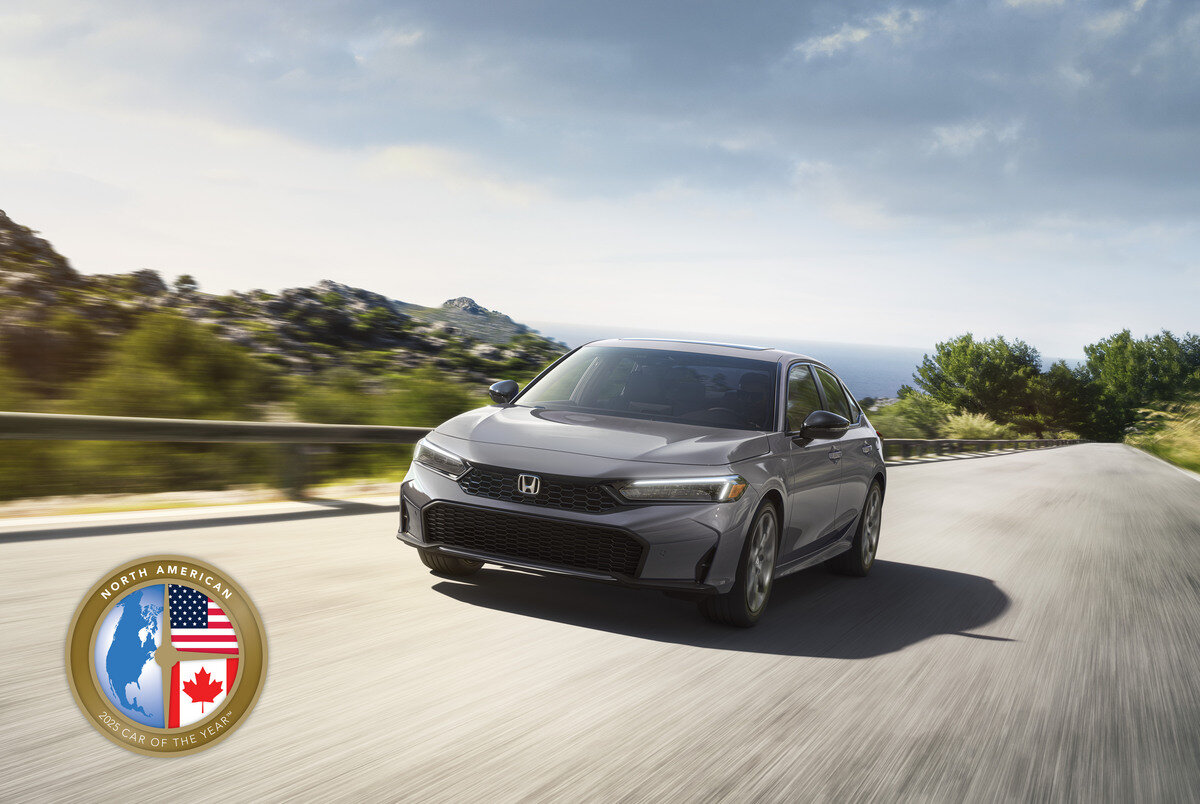
First Impressions: The Civic Finds Its (Hybrid) Groove
It's a chilly morning in Detroit, and as I unlock the 2025 Honda Civic Hybrid, a faint buzz from the car’s wake-up sequence reminds me just how far mainstream hybrids have come. The Civic Hybrid returns to American showrooms after a long hiatus, slotting in above the standard Civic and aiming directly at eco-conscious compact buyers who might otherwise glance at Toyota’s Prius or Corolla Hybrid. With a reputation for honest value and smart engineering, Honda has high expectations to meet here.
Powertrain and Specs: Numbers with Nuance
Pop the hood, and you’ll find Honda’s latest two-motor hybrid setup. The 2025 Civic Hybrid pairs a 2.0-liter Atkinson-cycle inline-four with dual electric motors for a combined output of 200 horsepower and 232 lb-ft of torque (Honda official figures). This isn’t a plug-in; it’s a parallel hybrid, so no wall charging required. Power is routed through an e-CVT (electronic continuously variable transmission) to the front wheels a familiar arrangement if you’ve driven a recent Accord Hybrid.
Honda claims an estimated 44 mpg city and 41 mpg highway for the Touring trim (less for sportier trims), putting it right on the heels of the Toyota Corolla Hybrid (which boasts up to 53 mpg city/46 highway) but ahead of the Hyundai Elantra Hybrid in real-world mixed driving. During my week of urban testing mostly stop-and-go traffic, occasional freeway sprints I averaged a genuine 43 mpg according to the trip computer, with no special effort to hypermile. That’s slightly shy of Toyota’s numbers on paper but notably better than most non-hybrid compacts.
Behind the Wheel: Silent Starts, Steady Confidence
The first thing you notice is near-silence when pulling away from a stop. The Civic glides off under electric power alone at low speeds no gruff engine startup, just a subtle hum from the motor and tires on cold pavement. Push harder, and the gas engine joins in smoothly, though there’s a brief drone as it spools up a hallmark of this hybrid system that some drivers might find less refined than Toyota’s nearly seamless transitions.
Steering remains a Civic strong point: direct, nicely weighted, with just enough feedback to remind you it’s not just an appliance. Toss it into corners and body roll is modest; the hybrid battery is mounted under the rear seats, keeping weight low and balanced. Ride quality leans firm but never harsh the car absorbs potholes with more grace than you’d expect from an eco-focused compact.
If there’s one nit to pick, it’s wind and road noise above 65 mph. On Detroit’s notoriously pockmarked highways, tire thrum sneaks into the cabin at speed noticeably more so than in a Corolla Hybrid or even Honda’s own Accord Hybrid. It’s not intrusive enough to spoil a commute, but audiophiles may want to keep their playlists ready.
Inside the Cabin: Where Buttons Meet Big Screens
Honda hasn’t strayed far from its minimalist playbook here. The dashboard remains refreshingly uncluttered physical climate knobs click with satisfying precision and air vents hide behind an intricate honeycomb trim that feels upscale for this segment. The 7-inch digital gauge cluster (or optional 10.2-inch on Touring) offers crisp graphics without overwhelming you with data.
The centerpiece is Honda’s new 9-inch touchscreen infotainment system (standard on upper trims), now compatible with wireless Apple CarPlay and Android Auto. Response times are snappy, though I did wish for an easier way to switch audio sources without diving through submenus a tiny usability quibble in an otherwise slick interface.
Seats strike an ideal balance between supportive and plush for long hauls. Rear legroom is generous by compact standards adults will fit comfortably behind tall drivers and trunk space remains competitive at around 14 cubic feet, only marginally reduced by the hybrid hardware.
Real-World MPG: Does It Live Up to Honda's Promises?
If there’s one number everyone asks about, it’s mileage. As noted earlier, my observed average hovered at 43 mpg in mixed city-heavy driving a result that reflects both Honda’s conservative ratings and Detroit’s unpredictable traffic snarls. Unlike some turbocharged compacts that fall short when driven hard, the Civic Hybrid keeps its promises unless you’re lead-footed all day long.
Compared to its key rivals: The Corolla Hybrid edges ahead in urban efficiency, especially in ideal conditions; Hyundai’s Elantra Hybrid is similarly frugal but suffers from less responsive steering feel and more awkward interior ergonomics. For most buyers who split time between city streets and suburban highways, Honda lands comfortably in the top tier for real-world thriftiness.
Ergonomics & Tech: Living With It Every Day
Honda nails everyday usability better than most competitors even some pricier ones. Controls fall easily to hand; nothing requires awkward stretching or guesswork. The wireless charging pad fits modern smartphones without fuss (a surprising number still don’t). I especially appreciated how quickly climate settings respond even gloved hands don’t trip up those big tactile dials.
If I had one gripe beyond infotainment menus: rear visibility isn’t stellar due to rising window lines and chunky C-pillars a trade-off for exterior styling that looks sleeker than ever before.
The Price Tag & Value Equation
The 2025 Civic Hybrid starts around $26,000 (estimated base MSRP; final pricing may vary depending on dealer markups), climbing past $32K for well-equipped Touring models with leatherette trim and all tech options checked. That puts it right in line with the Corolla Hybrid XLE or Hyundai Elantra Limited and several grand below a base Prius or VW ID.4 electric.
Standard safety tech includes adaptive cruise control, lane keeping assist, blind-spot monitoring (on EX and above), plus automatic emergency braking features that are becoming table stakes but still worth celebrating at this price point.
The Competition: How Does It Stack Up?
Toyota’s Corolla Hybrid remains king of sheer efficiency and offers available all-wheel drive (something Honda doesn’t). Hyundai counters with more standard features per dollar but can’t match Honda’s chassis poise or resale confidence. Nissan's Sentra remains purely gas-powered for now; Mazda3 lacks any hybrid option stateside as of this writing.
Prius loyalists will note that while the latest Prius offers more futuristic design and even greater efficiency it also commands a premium price and loses some daily comfort compared to Civic's familiar layout.
The Final Word: A Well-Rounded Comeback
The 2025 Honda Civic Hybrid slots right where you’d hope: efficient enough for serious commuters yet still fun enough for those who care about more than just miles per gallon. It doesn’t rewrite the rulebook like early hybrids once did but it absolutely delivers where it matters most: real-world MPG, intuitive ergonomics, and everyday comfort wrapped in sheetmetal that finally has some flair again.
Is it flawless? Not quite the occasional high-speed road noise lingers as my main complaint but few compacts blend thriftiness with this much grown-up polish. For buyers cross-shopping Toyota or Hyundai (and even those tempted by pricier EVs), Honda has built a hybrid that feels refreshingly normal in all the right ways.

0 comments
Join the discussion around this article.
Please login to comment.