2025 Toyota Prius Review: Efficiency, Visibility, and the Real Learning Curve
I’m Michael Turner, and I’ve been writing about cars in and around Detroit long enough to remember when “Prius” was basically shorthand for “slow, sensible, and smug.” The funny part is that the 2025 Toyota Prius still majors in sensible just not in the same way. This fifth-generation Prius (introduced for the 2023 model year) looks sharp, moves with more urgency than any Prius before it, and sips fuel like it’s paying Michigan gas prices out of pocket.
But there’s a catch. Actually, a few. The big one is right there in the title: visibility. The other is what I’d call the real learning curve how you adapt to the car’s new driving position, its instrument placement, and Toyota’s modern interface choices. None of it is a deal-breaker for everyone. Some folks will hop in and feel at home in five minutes. Others will spend a week adjusting mirrors and seat height like they’re trying to dial in a sim-racing rig.
Let’s get into what’s verified, what’s changed, and what still makes the Prius a very Prius kind of purchase even when it’s wearing a sportier suit.
The basics (and the facts we can actually stand on)
The 2025 Prius continues as a compact hybrid hatchback on Toyota’s TNGA-C platform. In the U.S., the standard Prius is front-wheel drive; all-wheel drive is available (Toyota calls it AWD-e) using an additional rear electric motor. A plug-in hybrid variant exists too the Prius Prime but this review is about the regular Prius hybrid unless noted.
Power comes from Toyota’s 2.0-liter four-cylinder hybrid system (Toyota Hybrid System). Widely reported output figures for this generation are:
• Front-wheel-drive Prius: 194 horsepower (combined system output).
• AWD-e Prius: 196 horsepower (combined system output).
Toyota pairs the system with an electronically controlled continuously variable transmission (eCVT), which behaves less like a belt CVT and more like an electric power-split device because that’s essentially what it is.
Fuel economy: Exact EPA ratings vary by trim and wheel/tire package. The commonly cited headline number for this generation is up to 57 mpg combined for certain front-wheel-drive trims with smaller wheels. Higher trims and AWD models typically rate lower. If you’re shopping specific trims, you’ll want to confirm the EPA label for that exact configuration because wheels make a bigger difference here than most people expect.
Competitors: In real-world shopping terms, the Prius cross-shops against cars like the Honda Civic Hybrid (newly reintroduced for 2025), Hyundai Elantra Hybrid, Kia Niro, Toyota Corolla Hybrid, and depending on budget and priorities entry-level EVs like the Tesla Model 3 or Hyundai Ioniq 6. Those EVs aren’t direct apples-to-apples rivals on price or fueling routine for everyone, but they do show up in the same “efficient commuter” conversations now.
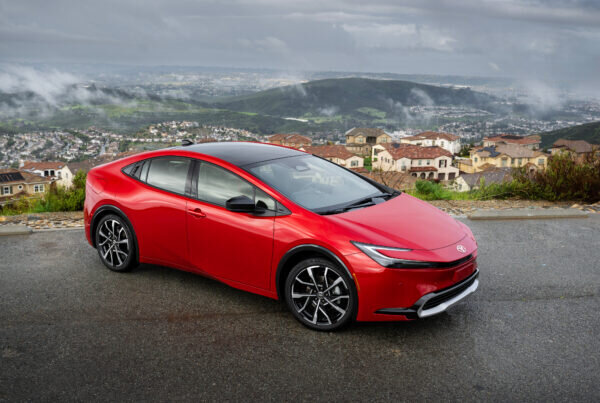
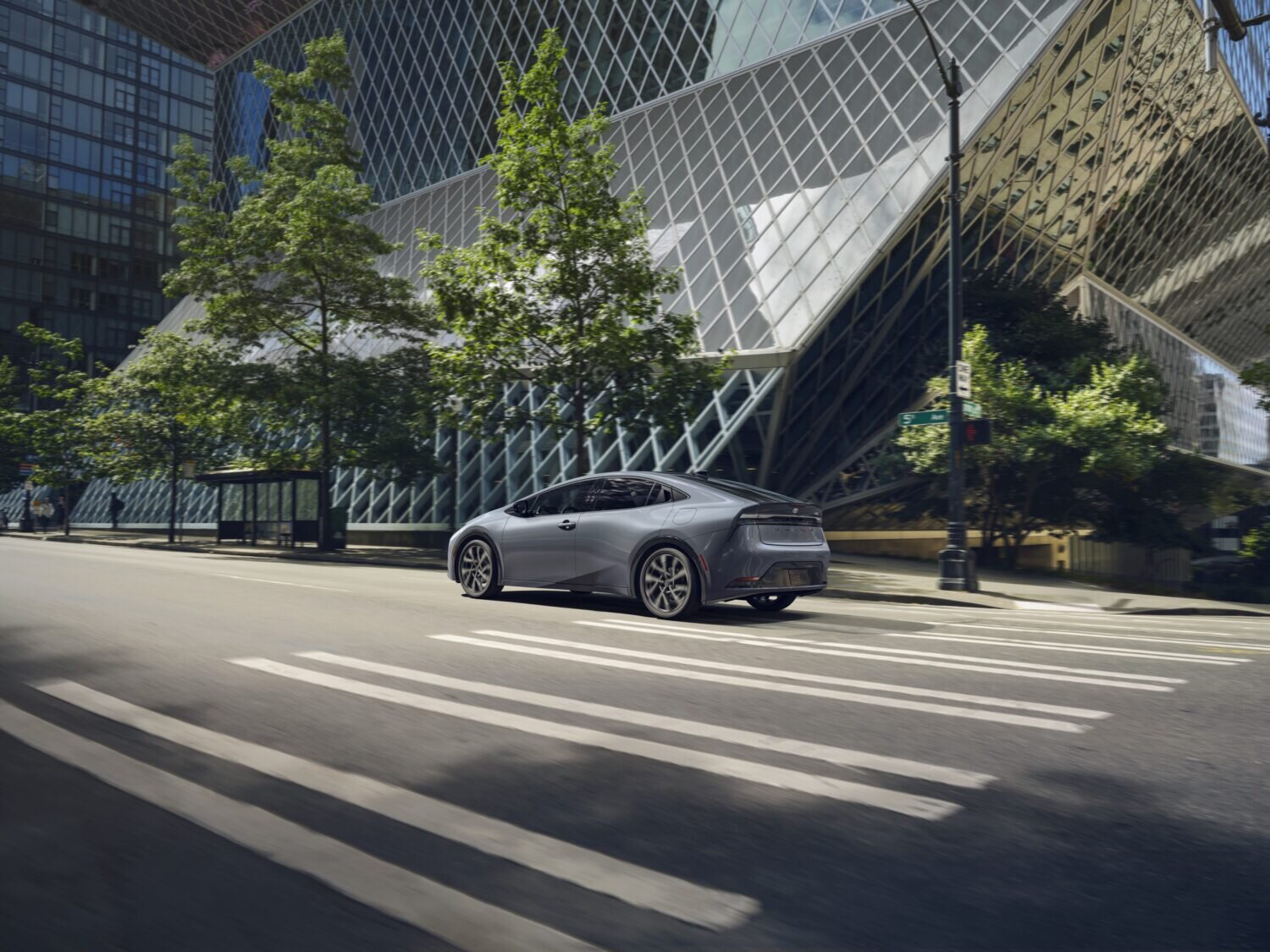
Design: The Prius glow-up is real
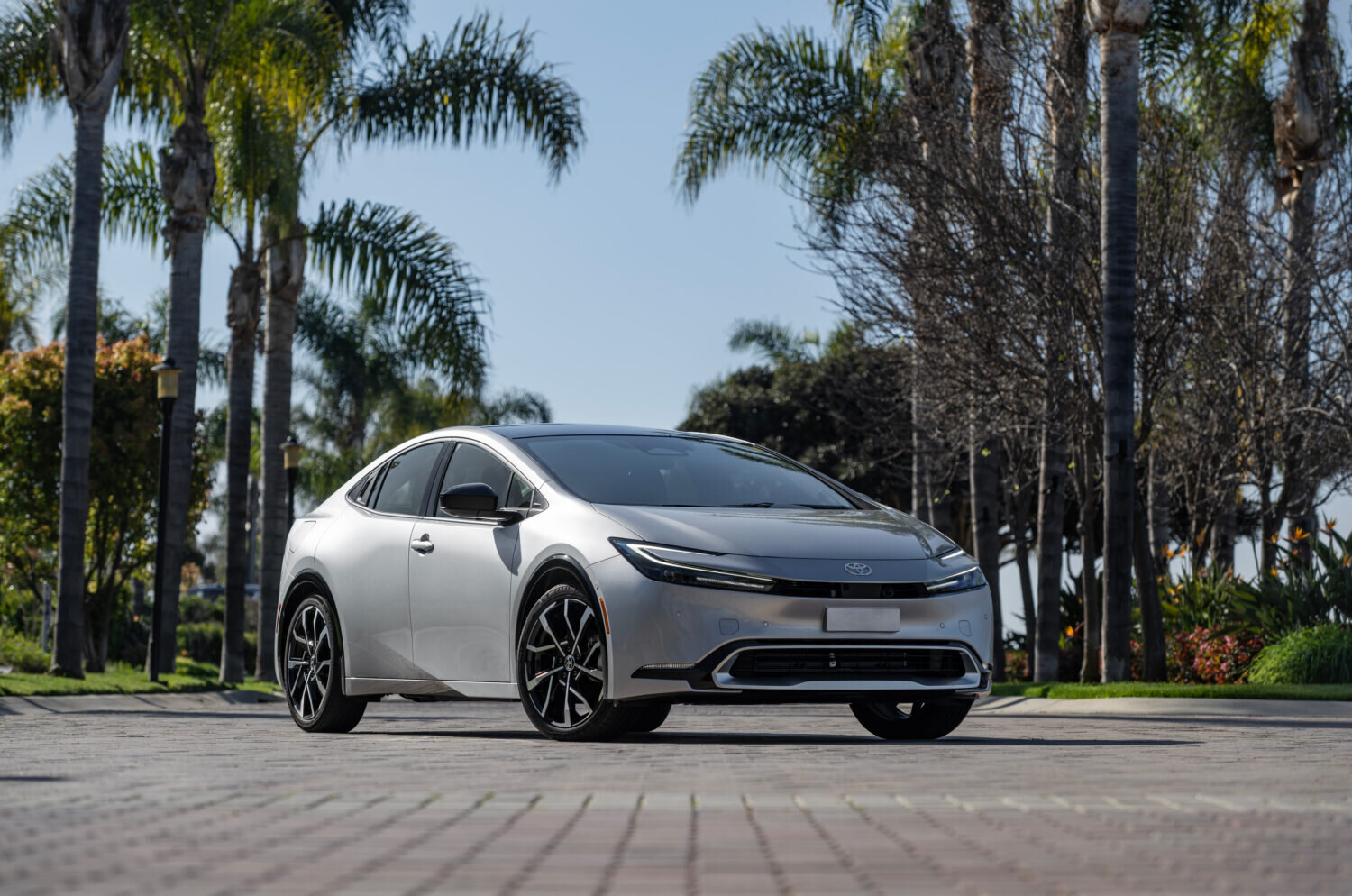
The first time I saw this body shape in person low nose, swept roofline, taut surfaces it didn’t read “eco appliance” anymore. It read “Toyota finally let the designers drink coffee.” The stance is lower and wider than older Priuses, and it looks planted even sitting still in a parking lot full of crossovers.
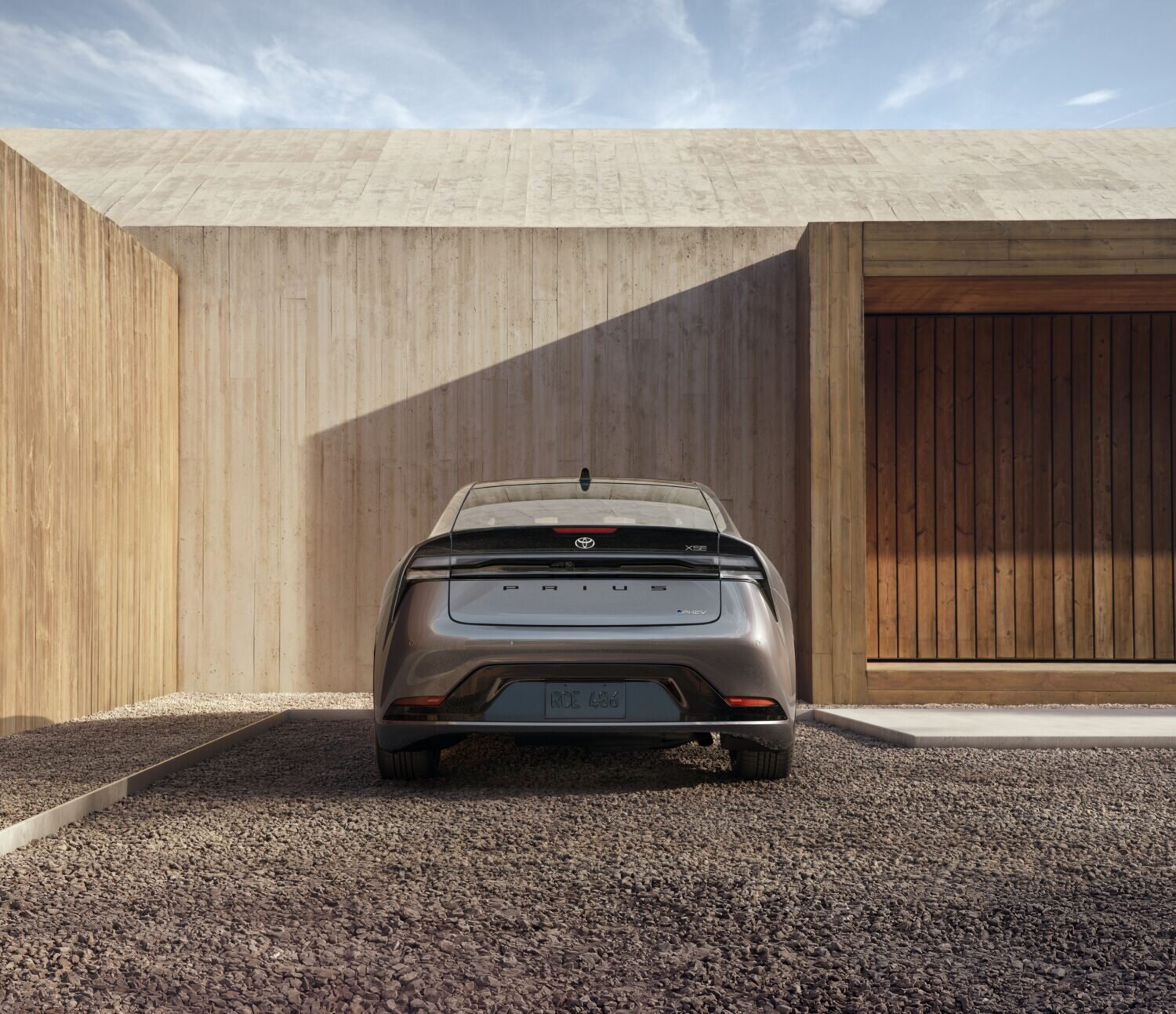
The details matter: the slim headlights; the way the rear haunches rise; that clean hatchback tail that looks more European than old-school Toyota. It’s still unmistakably a Prius if you know what you’re looking at, but it no longer feels like you’re making an aesthetic sacrifice to get great mpg.
There’s also a practical downside baked into that sleeker silhouette: a lower roofline means getting in can feel more “drop down into it” than “slide across into it.” If you’re coming from an SUV or even something upright like a Kia Niro you’ll notice immediately.
The cabin vibe: modern Toyota, with one weird party trick
Toyota interiors have gotten better across the board over the last few years, and the Prius benefits. Materials are generally solid for the class, assembly feels tight, and there’s less of that hard-plastic penalty box energy older hybrids sometimes had.
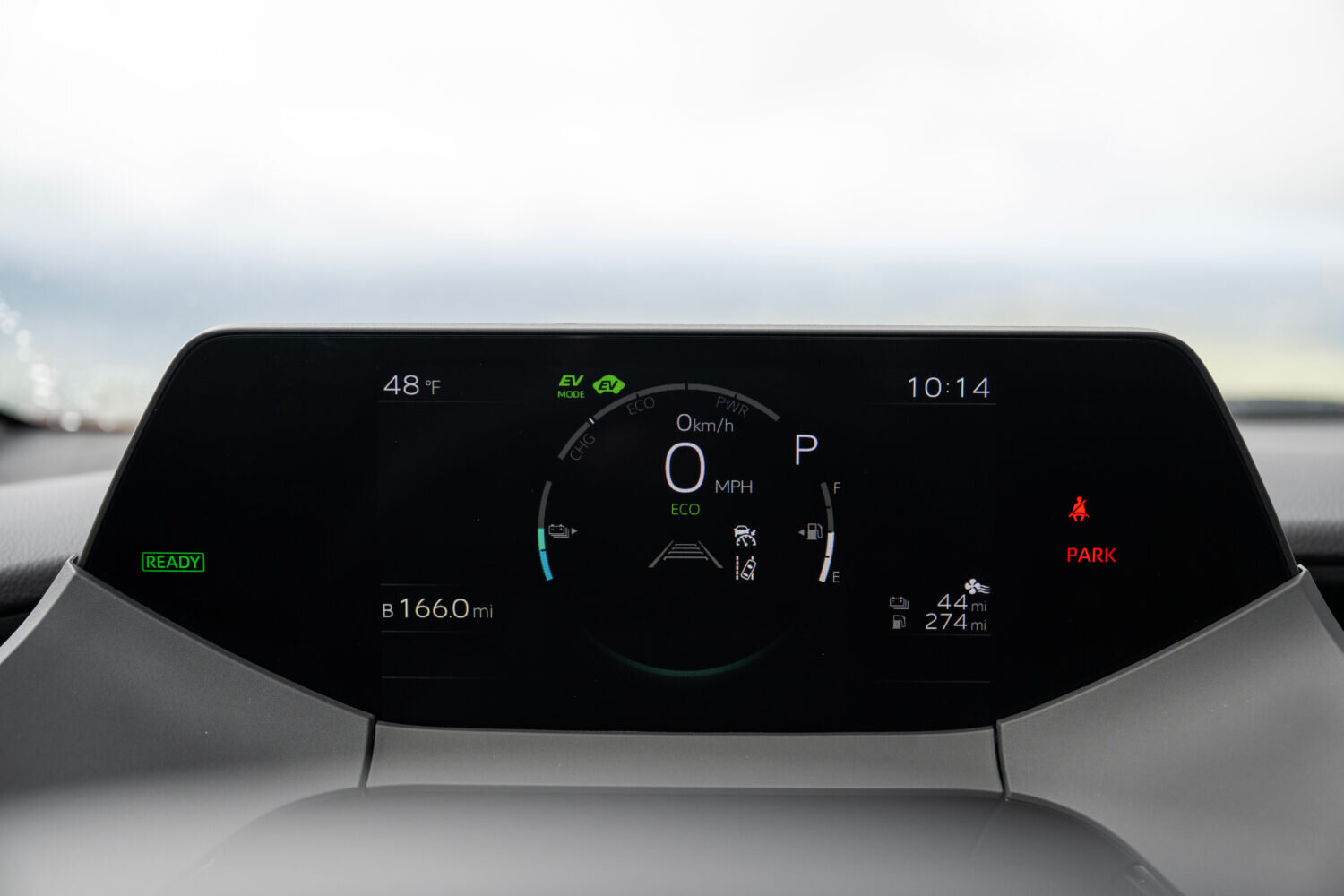
The weird party trick is the instrument cluster placement. Instead of sitting directly behind the steering wheel like most cars, the Prius puts its digital gauge display up high near the base of the windshield. Toyota’s idea is “eyes up,” which I get in theory. In practice? Your experience depends heavily on how you sit.
If you like a higher seat position or you tend to raise the steering wheel for comfort, there’s a decent chance you’ll partially block your own view of that cluster with the rim of the wheel. I’ve driven enough press cars to know this isn’t just me being picky it’s a common complaint among drivers who don’t naturally sit low with their arms extended.
You can usually adjust around it lowering the seat slightly, bringing the wheel down or out but that’s where the learning curve comes in. Some people will find their sweet spot quickly. Others will be mildly annoyed every morning until they do.
Inside the cabin: where buttons meet big screens
Most trims use Toyota’s newer infotainment setup with either an 8-inch or available 12.3-inch touchscreen (availability depends on trim). The interface is cleaner than older Toyota systems, with faster responses and more logical menus than what we were stuck with five years ago.
The climate controls are still easy enough to operate without having to pull over and poke at icons like you’re defusing something. And thank you, Toyota: basic functions aren’t buried three menus deep.
I’ll add one personal observation from living with modern cars in general: touchscreens are fine when you’re stopped at a light; they’re less charming when Detroit roads turn into rolling patchwork quilts. The Prius rides firmly enough that your finger can bounce off targets if you’re trying to make adjustments mid-corner or over rough pavement.
Seats, space, and that sloping roofline reality check
The front seats are comfortable for long commutes, with decent support where it counts. Up front, I had no complaints after an hour of highway plus stop-and-go traffic just that constant “am I seeing all my gauges?” recalibration until I found my preferred seating position.
The back seat is where style takes its tax. Rear headroom isn’t as generous as older Priuses or boxier competitors like the Kia Niro. If you regularly carry adults back there and especially if they’re tall you should sit behind your own driving position before signing anything.
Cargo space remains useful thanks to the hatchback layout, but again: this generation leans more sleek than cavernous. If maximum cargo volume is your religion, something like a Niro (or even just moving up to a RAV4 Hybrid) may fit your life better.
On the road: quick enough to surprise your passengers
The headline change with this generation is power. With roughly 194 horsepower in front-wheel-drive form (and 196 with AWD-e), this Prius doesn’t feel like it needs to apologize when merging onto I-94.
No, it’s not hot-hatch quick. But compared with older Priuses especially those from a decade ago it feels legitimately responsive around town. You roll into the throttle leaving a light and there’s actual shove instead of that familiar elastic drone-and-wait routine.
The eCVT does what eCVTs do: under hard acceleration, engine sound rises and hangs there while speed catches up. It’s not offensive by hybrid standards, but it won’t fool anyone into thinking there are crisp gear changes happening behind the scenes.
I will say this: at steady speeds on smooth highway pavement, there’s a calmness to how it settles into its work. You get a faint hum from tires and wind rather than constant mechanical thrash. It’s not Lexus-quiet and road noise depends heavily on tire choice but it feels more grown-up than old Priuses ever did.
Steering and handling: not sporty… but not sleepy either
The new shape hints at sportiness; dynamically it lands closer to “pleasantly competent.” Steering effort is light-to-moderate and predictable. The front end responds cleanly enough when you change lanes quickly or thread through city traffic.
I wouldn’t buy one expecting Civic Si vibes (different mission entirely), but I also wouldn’t dread driving it on a twisty two-lane road up north. There’s less body roll than older generations, and it feels stable at highway speeds more planted than you might assume if your last Prius memory involves skinny tires and eco-tuned suspension.
If you want something that feels more traditionally “driver-focused” while still returning strong mpg, keep an eye on how the Honda Civic Hybrid drives once you test one back-to-back. Honda tends to tune steering feel better than Toyota at this price point though Toyota has closed that gap lately.
Brakes and regen: smooth most of the time
Hybrids live or die by brake feel because regenerative braking blends with friction braking constantly. The Prius generally does this well; pedal response is easy to modulate in normal driving.
You can still feel occasional transitions at very low speeds like creeping down a parking structure ramp or rolling toward a stop sign where regen tapers off but it’s not among the worst offenders in electrified cars today.
The visibility issue: sleek design meets real-world sightlines
This is where my Detroit pragmatism kicks in: pretty cars still have to work on pothole-lined streets surrounded by lifted pickups.
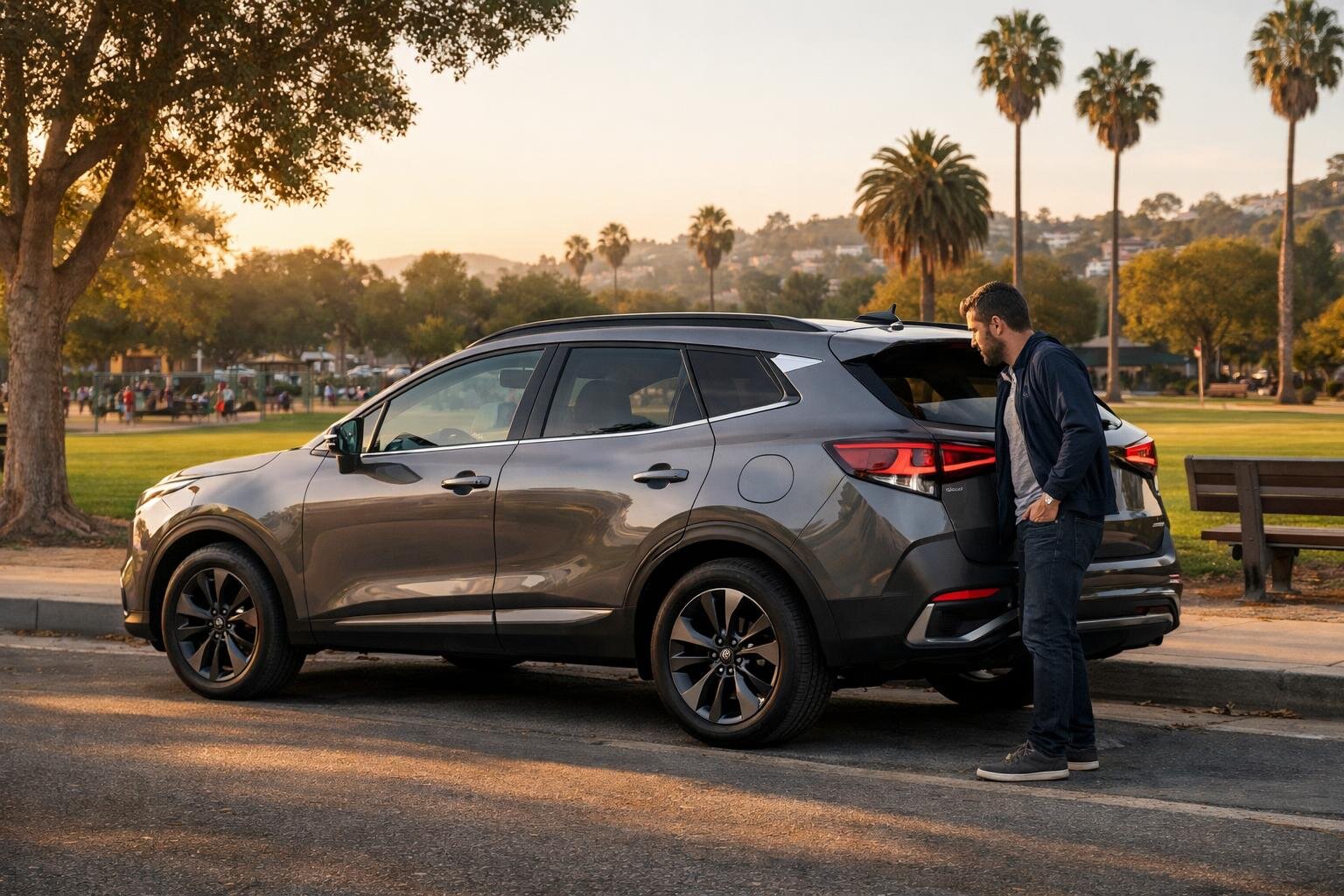
The forward view isn’t bad once you’re settled the hood drops away nicely but that gauge cluster placement can be distracting if you never quite find your ideal steering/seat combo. Side visibility is okay up front; rearward visibility through the hatch area is more compromised than older Priuses because of styling choices and glass shape.
If visibility is high on your priority list (say you parallel park daily or deal with dense urban traffic), some rivals feel airier inside again, think Kia Niro or even Corolla Cross Hybrid territory if you’re willing to go taller.
AWD-e: helpful traction, not an off-road invitation
Toyota’s AWD-e system adds an electric motor at the rear axle to help with traction in slippery conditions. It’s aimed at winter confidence not trail duty and it doesn’t turn the Prius into some mini rally car.
If you live where lake-effect snow makes morning commutes spicy, AWD-e can be worth considering. Just remember: AWD models typically take a fuel economy hit versus comparable front-wheel-drive versions (exact numbers depend on trim), so decide whether winter traction or maximum mpg matters more for your routine.
Efficiency in real life: why people still buy Priuses
The Prius remains one of those rare cars where efficiency isn’t just good “for a hybrid,” it’s good by any mainstream standard without asking you to plug in or plan charging stops.
The widely reported top rating for certain trims lands around 57 mpg combined, which is outstanding if your commute includes lots of stop-and-go where hybrids shine. On highway-heavy routes at higher speeds especially in cold weather you should expect lower returns than that headline figure because physics always collects its debt eventually.
This is also where subtle rival comparisons matter:
• Versus Hyundai Elantra Hybrid: The Elantra Hybrid has been an mpg champ too; depending on trim, it can run right with a Prius on paper. The Toyota counters with strong resale reputation and hybrid system longevity credibility built over decades.
• Versus Honda Civic Hybrid (2025): Honda aims squarely at Toyota here with big mpg claims and typically excellent road manners. The Civic may feel more conventional inside (including gauges) which some buyers will appreciate immediately.
• Versus Kia Niro: Niro wins on upright packaging and easy entry/exit; Prius wins on aerodynamic efficiency vibes and now has more punch than before.
• Versus EVs: If home charging is easy for you, an EV can be cheaper per mile to run depending on electricity rates but public charging costs and cold-weather range swings complicate that story fast for apartment dwellers or road-trippers.
Ownership costs and resale: boring stuff that matters
I’m careful about making promises on long-term costs without hard numbers in front of me insurance rates vary wildly by ZIP code now but here are safe truths about Priuses historically:
• Fuel costs: Low consumption keeps day-to-day spending down compared with non-hybrid compacts.
• Maintenance: Hybrids often see reduced brake wear due to regenerative braking; routine service remains straightforward.
• Resale value: The Prius nameplate has generally held value well relative to many mainstream sedans/hatches because demand stays steady among commuters and rideshare drivers.
If you’re cross-shopping based purely on total cost of ownership, also look at Corolla Hybrid pricing (often lower) versus Prius pricing (often higher but with different styling/feature positioning). Sometimes Corolla Hybrid makes more financial sense if you don’t care about hatchback utility or Prius design flair.
The real learning curve: living with its quirks day after day
This generation’s biggest adjustment isn’t how it drives it’s how you interface with it physically.
You learn where your eyes want to go for speed readouts because they’re not exactly where decades of muscle memory expect them to be. You learn how low you want to sit because outward visibility changes noticeably with just an inch of seat height adjustment thanks to that low roofline. You learn whether you prefer smaller wheels for ride comfort (and potentially better efficiency) or larger wheels for looks (with likely tradeoffs).
I found myself appreciating how cohesive it feels once dialed in like slipping into a cockpit rather than sitting on top of a chair but I also kept thinking about buyers who just want something instantly intuitive after five minutes at a dealership lot.
The good stuff (and yes, some annoyances)
What works:
The Prius finally feels like a complete car rather than an engineering project wrapped in transportation appliance styling. It looks good from most angles. It has real power now enough that passengers notice when you merge decisively instead of politely requesting access to traffic. And its best versions deliver genuinely excellent fuel economy without needing plug-in infrastructure or lifestyle changes.
What doesn’t:
The instrument cluster placement will be polarizing forever or at least until Toyota moves it again in some future refresh. Rear-seat headroom isn’t generous compared with roomier rivals designed around taller packaging. And while infotainment has improved dramatically versus old Toyotas, touch-based controls are still touch-based controls; bumps happen; fingers miss icons; life goes on.
So… should you buy one?
If your top priorities are fuel efficiency, everyday usability, strong hybrid credibility, and you don’t want your commute car to look like punishment anymore, the 2025 Toyota Prius makes an awfully strong case. It feels modern in ways older Priuses didn’t and not just because someone bolted on sharper headlights. There’s genuine improvement in power delivery and overall refinement.
I’d steer shoppers toward one key step before buying: spend real time finding your seating position during the test drive five minutes isn’t enough and make sure you can see all critical info comfortably without craning your neck or peeking around steering wheel spokes like you’re trying to read a menu behind someone’s shoulder.
If that clicks for you, this Prius is easy to respect and surprisingly easy to enjoy driving every day. If it doesn’t click? A Civic Hybrid or Elantra Hybrid may give you similar mpg satisfaction with fewer ergonomic question marks, while something like a Niro may simply fit your body-and-stuff lifestyle better.
Verdict from Detroit
The 2025 Prius nails what matters most: efficiency without drama and now performance without embarrassment. It asks you to adapt to its new layout and accept some visibility compromises as payment for its sleeker shape. That trade won’t work for everyone.
But if your commute is long, gas prices annoy you on principle, and you still want a car that feels thoughtfully engineered rather than merely economical? This latest Prius might be Toyota’s most convincing argument yet that saving fuel doesn’t have to feel like giving something up aside from maybe an inch of headroom and a week of seat-adjustment tinkering.

0 comments
Join the discussion around this article.
Please login to comment.