The 2025 Nissan Rogue: Familiar Shape, Subtle Shifts
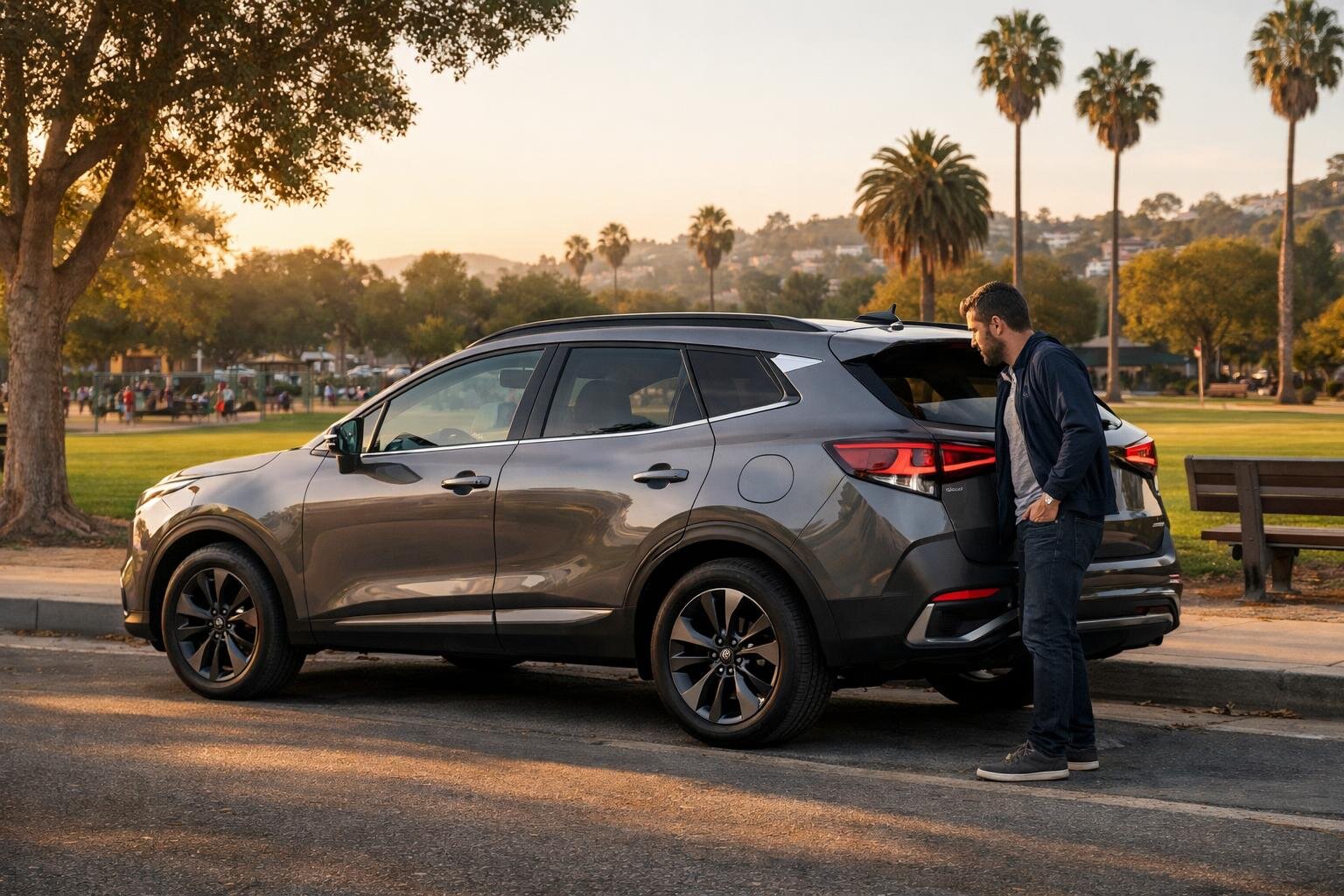
Step up to the 2025 Nissan Rogue and the first impression is one of quiet confidence. Nissan's best-selling SUV returns with a mid-cycle refresh that does not rewrite the playbook but does sharpen its appeal in a segment that's more competitive than ever. The Rogue sits right in the bullseye of what American families want: a compact crossover that's practical, safe, and ideally a little bit fun to drive. After spending a week with the latest model around New York’s outer boroughs and upstate highways, I gathered owner perspectives and my own impressions to see where the new Rogue lands among rivals like the Toyota RAV4, Honda CR-V, Hyundai Tucson, and Ford Escape.
Specs Check: Under the Hood and on the Scale
Nissan continues with its 1.5-liter turbocharged three-cylinder engine, introduced in recent model years. Output is rated at 201 horsepower and 225 lb-ft of torque numbers that place it squarely between the CR-V’s standard engine (190 hp) and the RAV4’s naturally aspirated four-cylinder (203 hp). Power is routed through a continuously variable transmission (CVT), a choice that keeps fuel efficiency strong but won’t thrill those seeking crisp gear changes. Front-wheel drive remains standard; all-wheel drive is optional across trims.
EPA fuel economy estimates for the 2025 Rogue stand at 30 mpg city/37 mpg highway/33 mpg combined (for FWD models), which slightly edges out some direct competitors. Real-world feedback from owners suggests these figures are within reach, though aggressive city driving or heavy cargo can dip mileage into the high-20s.
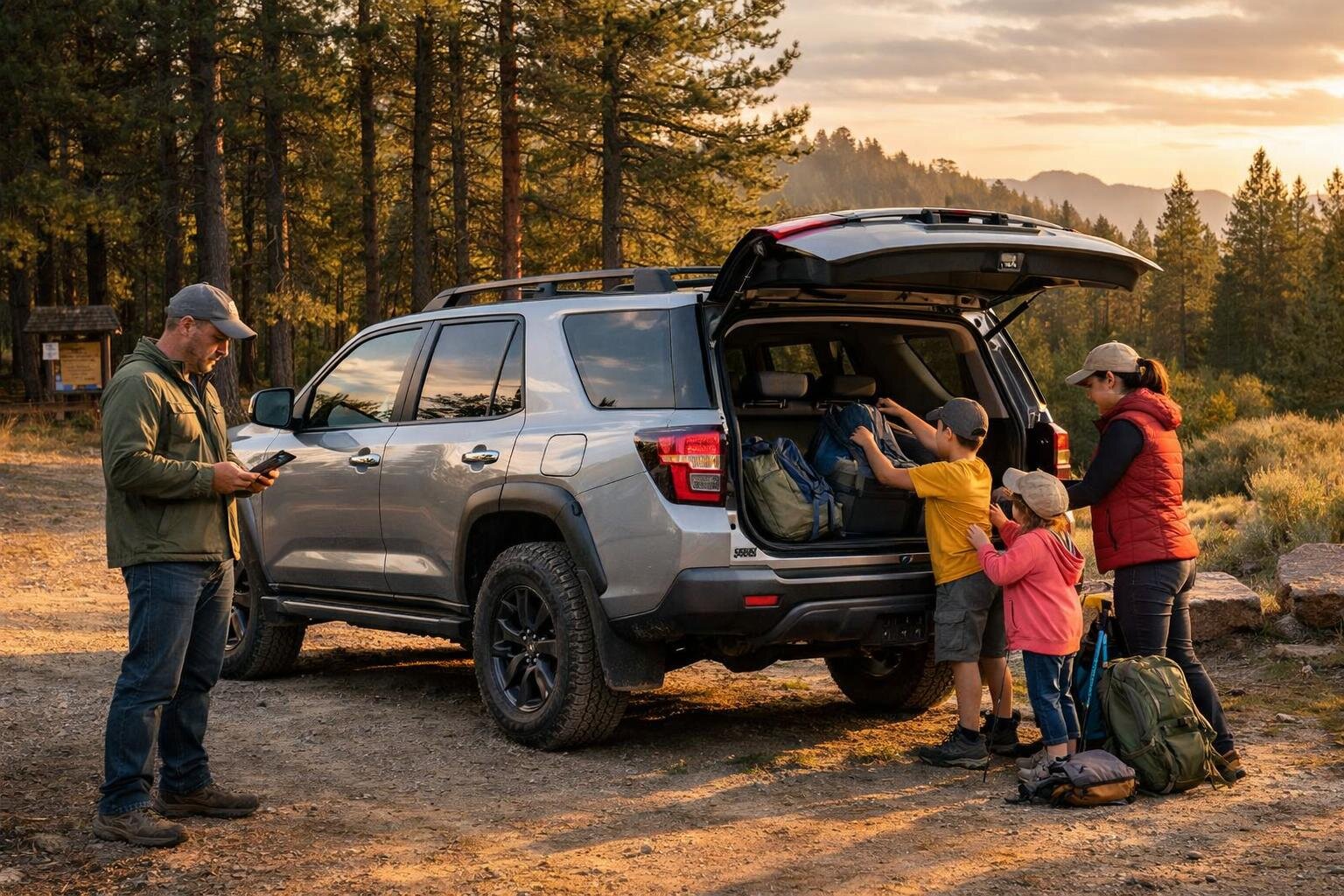
Maximum towing capacity remains at 1,500 pounds a number that lags behind the RAV4 (up to 3,500 lbs with Adventure/Trail trims) and even some turbocharged Escape variants. For most urban drivers, this isn’t a dealbreaker, but it’s worth noting for anyone eyeing small campers or trailers.
Inside the Cabin: Where Buttons Meet Big Screens
Slip inside and you’ll find Nissan has leaned into digital upgrades for 2025. The upper trims now feature a new 12.3-inch touchscreen running Google built-in software, integrating Maps, Assistant, and Play store apps seamlessly no phone required. The base S trim soldiers on with an 8-inch unit; SV models get a 12.3-inch screen but with simpler infotainment software. Physical climate controls remain easy to reach and operate there’s still something reassuring about the solid click of old-school dials when adjusting cabin temperature on a chilly Bronx morning.
Seating remains a Rogue strong suit. The front buckets are wide and supportive over long drives, with Nissan’s so-called Zero Gravity design continuing to earn praise from commuters and road-trippers alike. Rear seat space is generous for adults easily matching or exceeding what you’ll find in a CR-V and cargo volume remains among class leaders at just over 36 cubic feet behind the rear seats.
Materials quality sits above average for the segment, especially in SL and Platinum trims where soft-touch surfaces cover much of what you see and touch. There are still some hard plastics on lower door panels and console edges a gentle reminder that this is not a luxury vehicle but nothing that feels out of step for its price point.
On the Road: Smooth Moves but Not Sporty
The Rogue’s road manners lean toward comfort over engagement. Around town, steering feels light almost fingertip-easy in parking lots while highway cruising reveals a chassis tuned for smoothness rather than sharp responses. There’s noticeable body roll if you push hard into corners; drivers coming from a Mazda CX-5 will find less connection here but more isolation from potholes and expansion joints.
The three-cylinder engine hums along quietly under light throttle but can sound strained when merging onto fast-moving freeways or overtaking on two-lane roads. That said, acceleration is adequate for typical commuting needs; real-world owners rarely complain about outright speed but do wish for more linear throttle response from rest.
Wind noise is impressively subdued at 65 mph even quieter than some larger SUVs like the Chevrolet Equinox or Hyundai Santa Fe though road noise over rough pavement can intrude into the cabin. Braking feels confident and linear; pedal travel is predictable with no mushiness even after repeated stops in city traffic.
Sensors Everywhere: Safety Tech That Works (Mostly)
Nissan continues to outfit every Rogue with its Safety Shield 360 suite: automatic emergency braking with pedestrian detection, blind spot warning, rear cross traffic alert, lane departure warning, high beam assist, and rear automatic braking are all standard equipment. Higher trims add ProPILOT Assist a semi-automated driving system that keeps pace with traffic and helps center you in your lane on highways.
From an owner perspective, these systems mostly function as intended gentle nudges rather than intrusive corrections but there are occasional false positives reported for lane departure alerts on poorly marked roads. This is par for the segment; even rivals like Honda's Sensing suite can be twitchy in similar conditions.
The National Highway Traffic Safety Administration (NHTSA) crash test ratings for the updated 2025 model are not yet available as of this writing; previous Rogues scored well in both federal and IIHS testing.
Pocketbook Perspective: Pricing, Value & What You Get
The 2025 Rogue starts just under $30,000 including destination charges for an S FWD model a few hundred dollars more than last year but in line with inflationary pressures across all mainstream brands. SV trims (with more tech features) push closer to $32k; loaded SL or Platinum AWD versions can crest $40k when optioned up. This puts it nose-to-nose with similarly equipped RAV4s or CR-Vs no longer a value outlier but competitive given its content.
Resale values have been steady but not segment-leading; Toyota still dominates here. Still, Nissan has made strides in recent years addressing reliability concerns from previous generations anecdotal owner feedback points to fewer major issues since the platform update in 2021.
Owner Voices: The Good, The Gaps, The Everyday Reality
Sifting through real-world reports across forums and owner groups reveals high marks for everyday comfort, ease of use (especially infotainment), and overall ride quality. Families appreciate wide rear door openings for child seat access; dog owners like the low cargo floor for easy loading. Some mention frustration with slow infotainment boot times on cold mornings a quirk I also noticed during my weeklong test but software updates promise gradual improvement.
Cargo flexibility wins praise thanks to Nissan’s clever Divide-N-Hide system (optional on upper trims). Downsides? The CVT still generates mild grumbling among enthusiasts who crave traditional shift points or sporty feel and towing limitations remain a sticking point for adventure-minded buyers looking beyond basic utility.
The Final Word: Where Does Rogue Land?
If you’re looking for drama or revolution in your next crossover purchase, Rogue won’t deliver fireworks. Instead, it offers incremental improvements where they matter most: technology integration, interior comfort, fuel efficiency, and safety features all wrapped in an honest package that meets American family needs without pretense or flash.
It may not leapfrog segment leaders in every metric Toyota’s hybrid option remains unmatched for mpg; Honda still delivers sharper handling but Nissan has closed many historical gaps while keeping pricing realistic amid shifting market forces. As government regulations continue nudging automakers toward electrification (no hybrid Rogue yet), expect future iterations to move further down that path.
For now? The 2025 Rogue earns its place as one of America’s most sensible SUVs: quietly competent where it counts most and sometimes that’s enough to win hearts as well as sales charts.
0 comments
Join the discussion around this article.
Please login to comment.