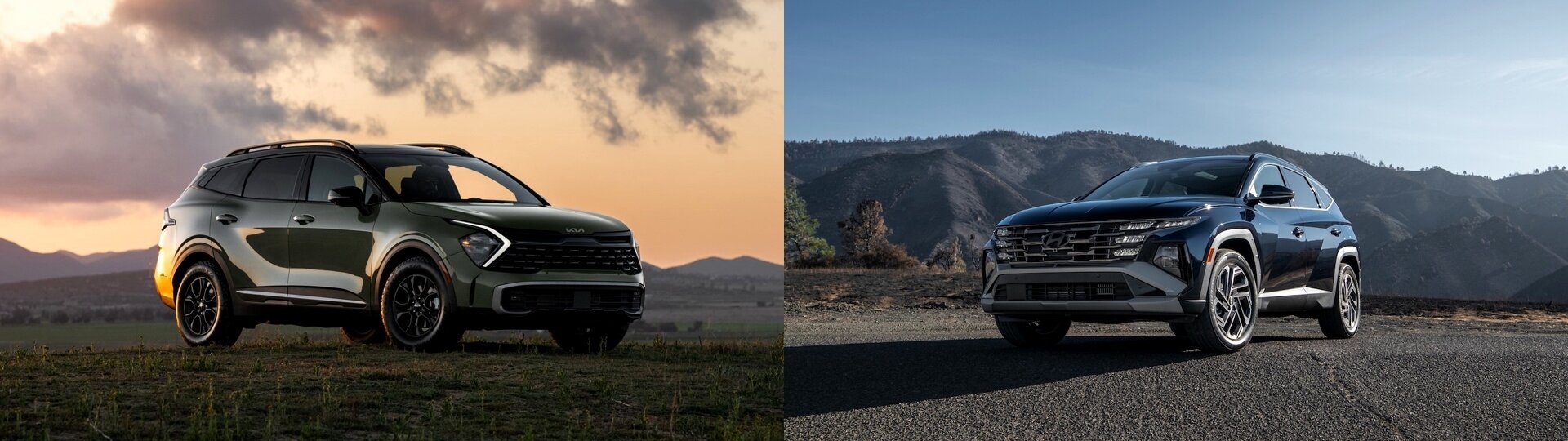
Battle of the Suburban Standbys: 2025 Kia Sportage vs. 2025 Hyundai Tucson
Spend a morning in any suburban grocery store parking lot and you’ll spot them the Kia Sportage and Hyundai Tucson, two stalwarts of the compact SUV world. For 2025, both models return with subtle updates and the same underlying mission: to haul families, groceries, dogs, and occasionally, a kayak or two. But with so much overlap, which one deserves your driveway?
Under the Hood: Powertrains That Play It Safe
Kia and Hyundai aren’t reinventing the wheel here. Both the 2025 Sportage and Tucson ride on the same platform and share powertrains a 2.5-liter four-cylinder gasoline engine mated to an eight-speed automatic transmission. Output remains steady at around 187 horsepower and 178 lb-ft of torque for both. You’ll find hybrid and plug-in hybrid variants as well (combining a 1.6-liter turbo-four with electric boost), putting out a combined 226 hp (hybrid) or 261 hp (plug-in). In real-world driving, acceleration is brisk enough for city traffic but won’t pin you back in your seat merging onto I-75.
Towing capacity? Both top out at 2,000 pounds when properly equipped a nod to small trailer users, but serious haulers will want to look elsewhere. The engines hum quietly at idle, but push them hard and you’ll hear a gruff note filtering into the cabin noticeable but not intrusive.
Fuel Economy: Miles per Gallon That Matter
Here’s where things get interesting for commuters. The EPA hasn’t released final figures for the 2025 model year as of this writing, but both vehicles are expected to mirror their 2024 counterparts: roughly 25 mpg city/32 mpg highway for front-wheel drive gas models, dipping slightly with AWD. Hybrid versions are projected to land in the high 30s to low 40s combined a genuine money-saver if you rack up miles every week. Plug-in hybrids offer about 33 miles of all-electric range before switching over to gas handy for those with short daily commutes.
On the Road: Steering Feel and Everyday Comfort
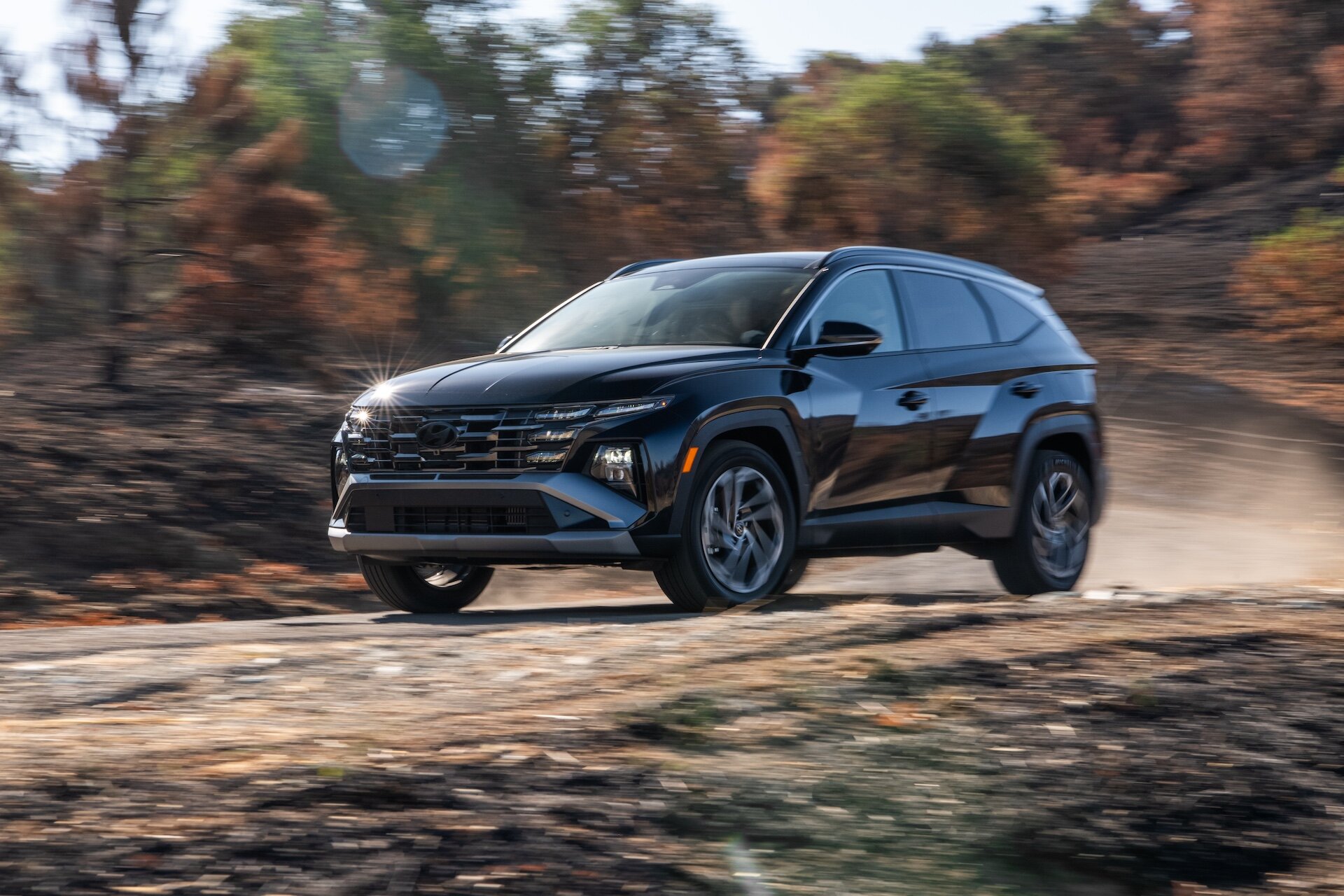
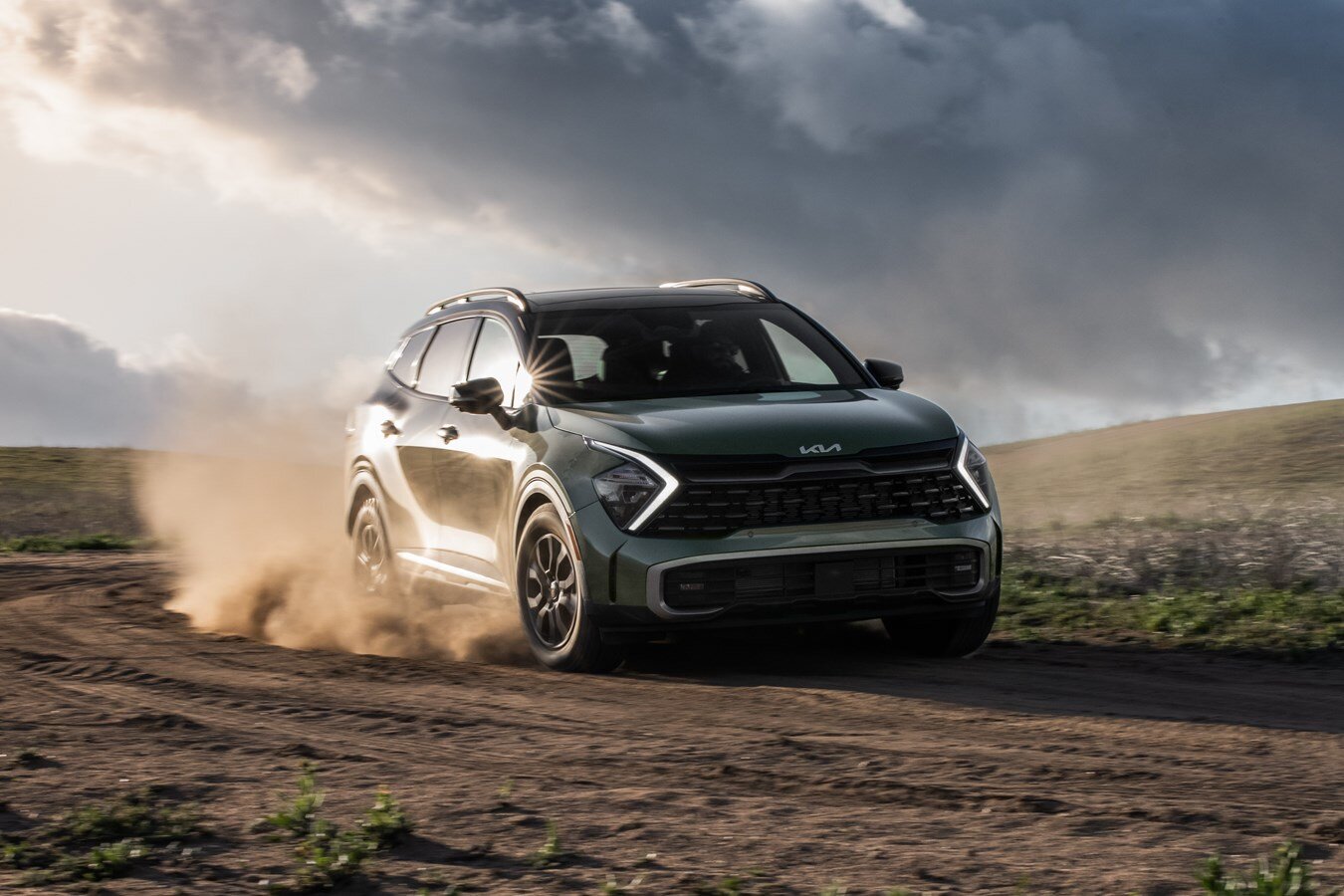
Slide behind either wheel and you’re greeted by light steering almost finger-tip easy in city maneuvers, but lacking much feedback when hustling through curves. The Sportage leans toward a firmer suspension tune; it’s just a touch more composed over broken pavement compared to the Tucson’s softer, more comfort-oriented setup. On Michigan highways, both soak up expansion joints nicely with only a distant thump making its way into the cabin.
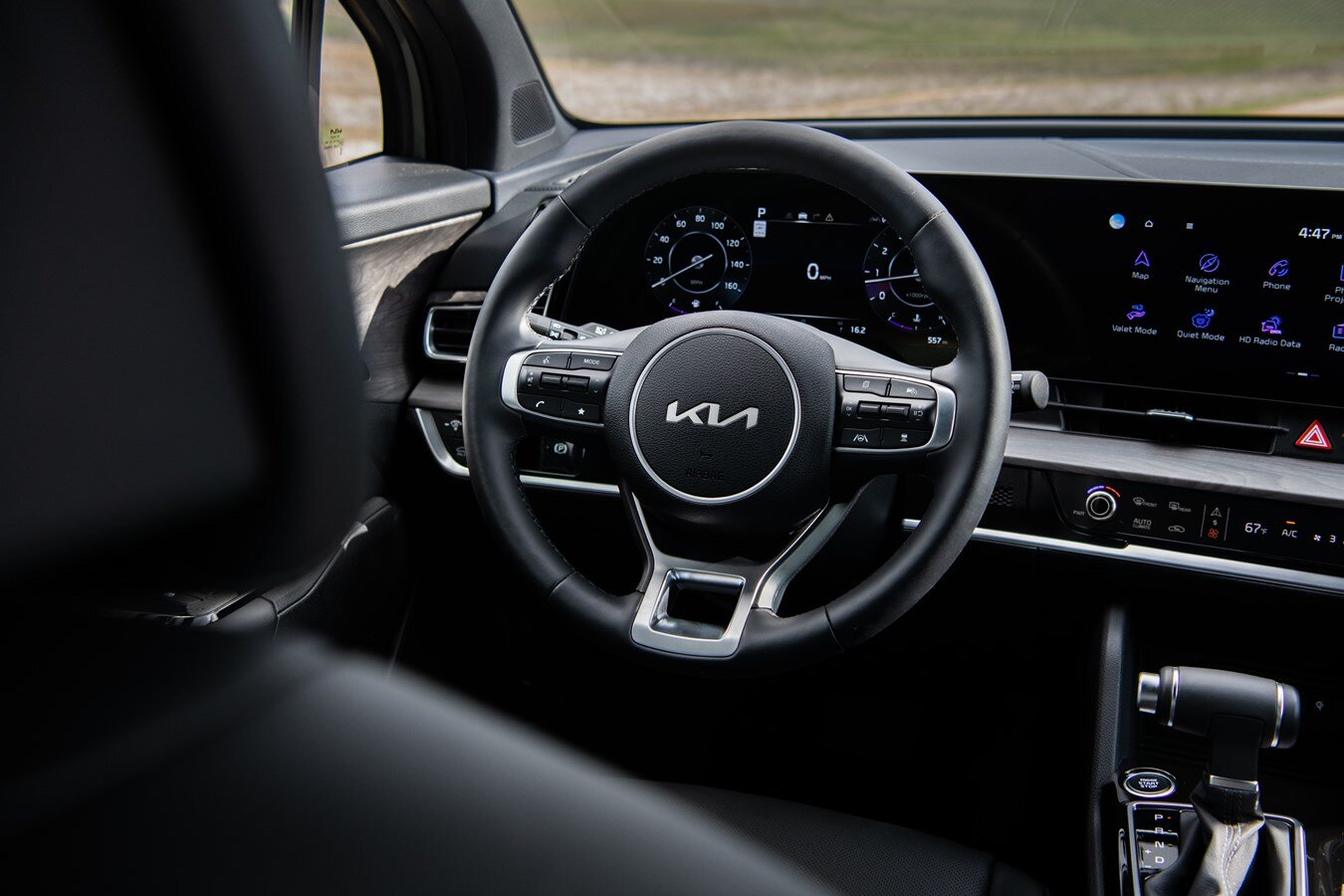
Neither SUV is going to thrill driving enthusiasts think calm, predictable, and largely drama-free. Road noise is kept impressively low for this segment; conversations remain easy even at 70 mph on concrete slabs (not always a given in compact crossovers). One detail I appreciate: the satisfying click of Kia’s climate control dials, which feel more substantial than Hyundai’s touch-based controls a small thing that adds up over years of ownership.
Inside the Cabin: Where Buttons Meet Big Screens
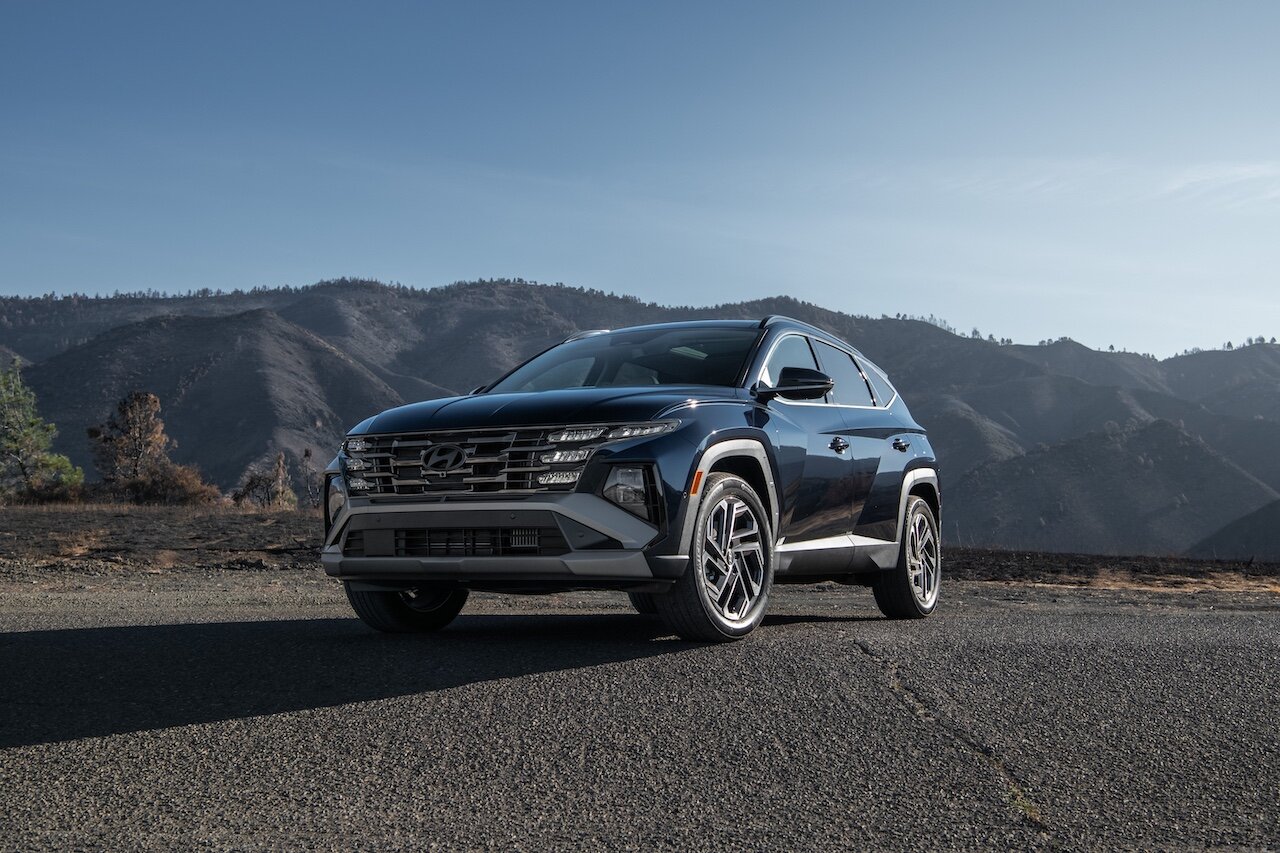
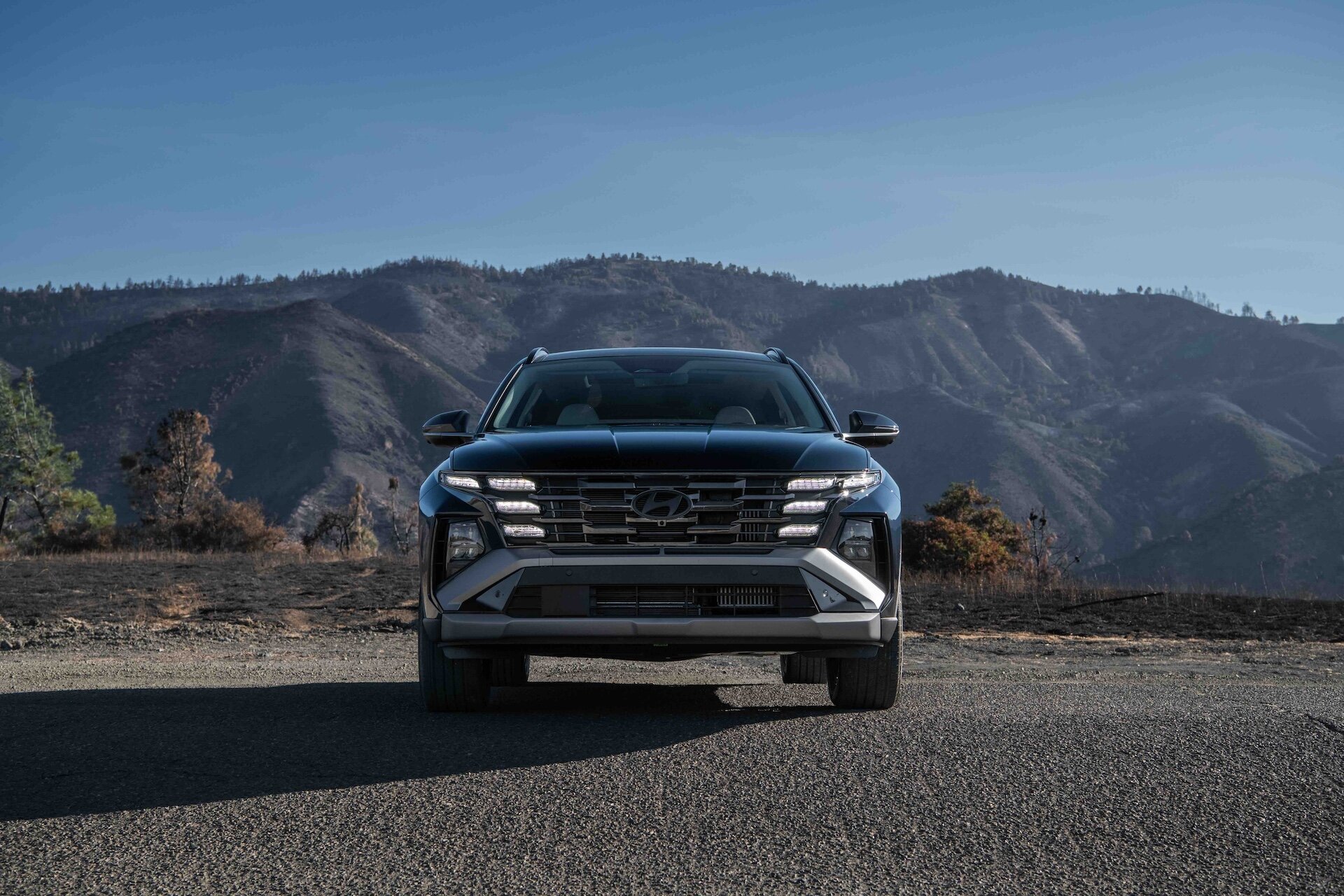
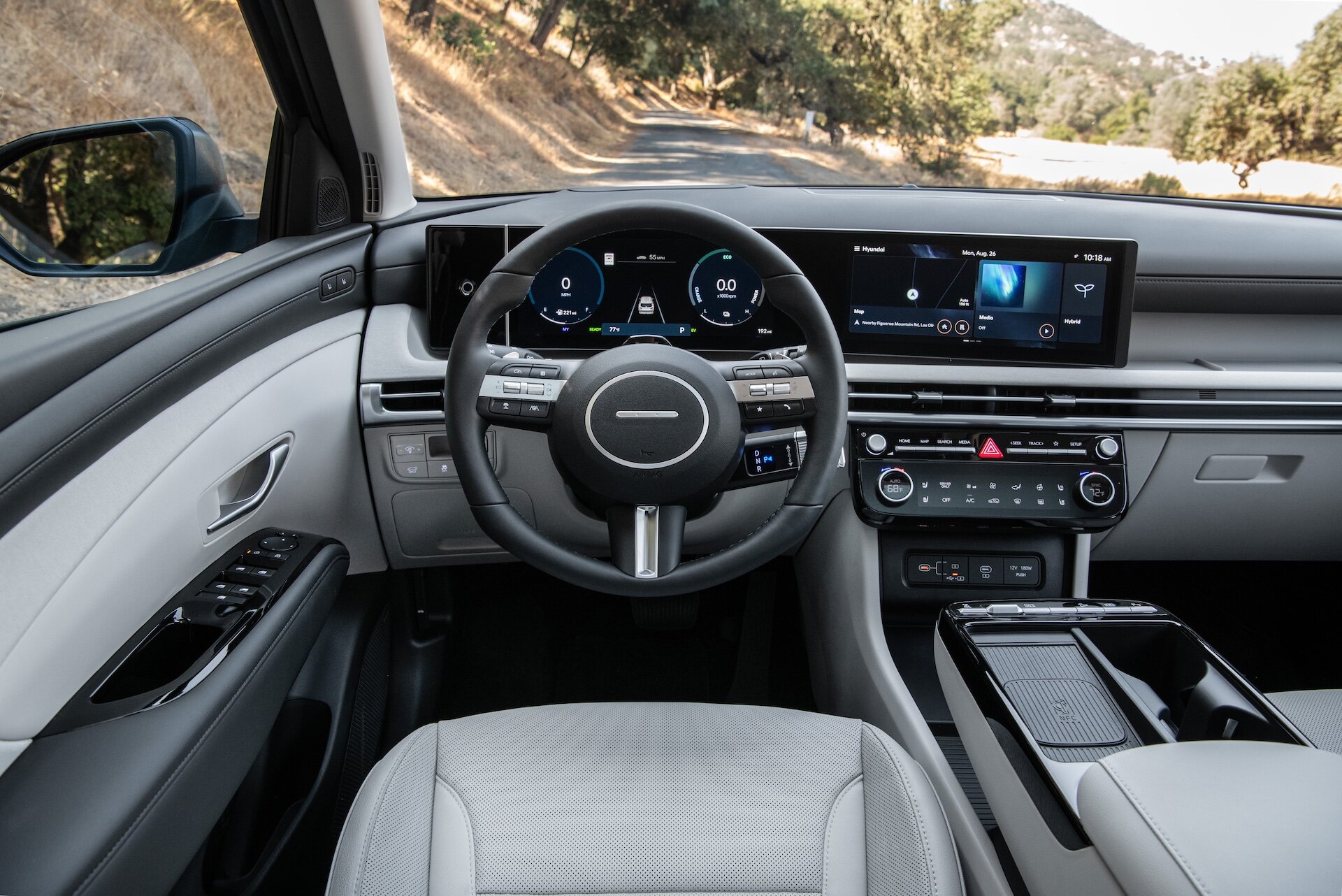
This is where personality starts to show. Both interiors are modern, bordering on futuristic in higher trims think big digital displays (up to dual 12.3-inch screens), ambient lighting, and generous use of soft-touch plastics. The Tucson pushes design boundaries with its waterfall dashboard and hidden air vents; it looks upscale but can feel cluttered if you’re not a fan of touch-sensitive buttons.
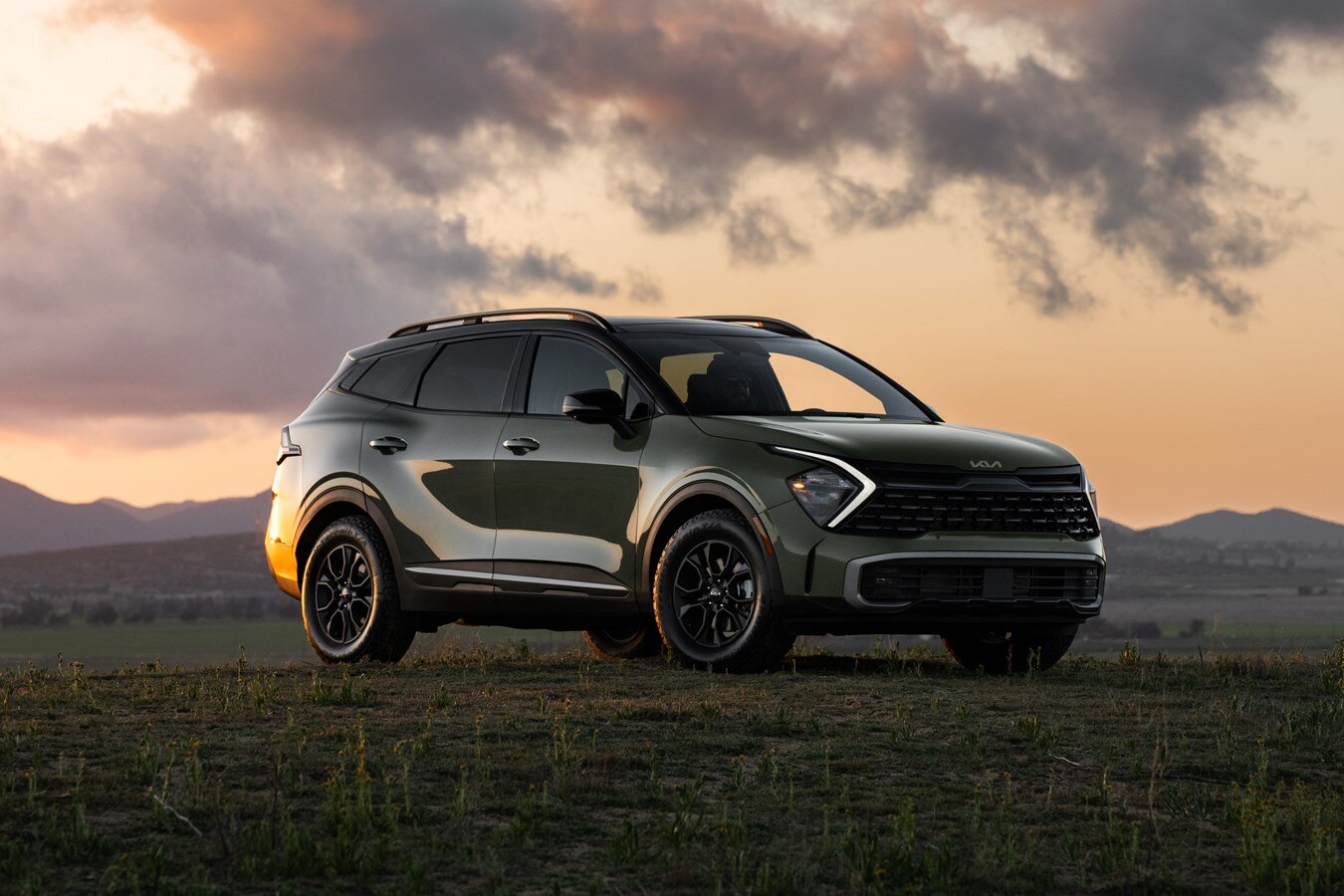
The Sportage takes a more straightforward approach. Physical knobs remain for volume and climate (thank you, Kia), making it easier to adjust settings by feel alone while driving. Both cabins offer plenty of legroom adults fit comfortably front and rear and cargo space rivals larger SUVs. Official specs put cargo capacity at about 39 cubic feet behind the second row for both; fold those seats flat and you’re looking at close to 75 cubic feet enough for bikes or moving boxes without breaking a sweat.
Tech? Wireless Apple CarPlay and Android Auto are standard across most trims for both models now finally catching up with rivals like Honda CR-V and Toyota RAV4. Higher trims pile on features like ventilated seats, panoramic sunroofs, premium audio systems, and surround-view cameras though you’ll pay handsomely for these luxuries.
Features You’ll Actually Use (and Maybe Some You Won’t)
Both SUVs come loaded with advanced driver assistance features from the get-go: automatic emergency braking, blind-spot monitoring, lane-keep assist the usual suspects in today’s safety arms race. Adaptive cruise control is widely available on mid-level trims and above.
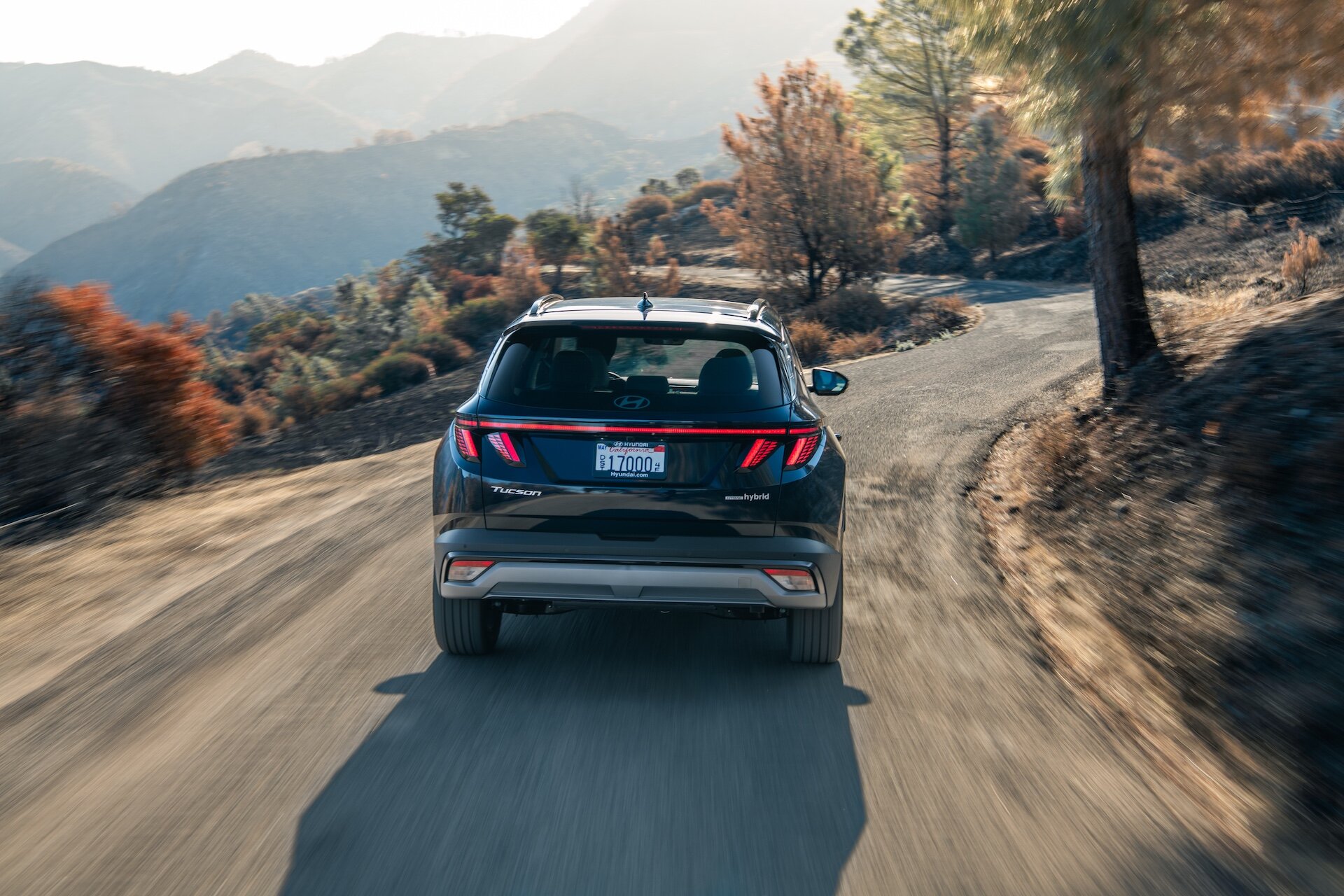
A few clever touches stand out: Kia’s “multi-mode” rear cargo floor can drop down for extra storage or flip up to create a flat load surface; Hyundai counters with remote smart parking assist a party trick that lets you move your Tucson forward or backward from outside using the key fob (handy in tight garages).
The Money Question: Price Tags and Ownership Costs
Base prices for both models hover just north of $28,000 (including destination), climbing past $40K fully loaded with AWD and hybrid tech. Expect similar warranty coverage a standout in this class with both brands offering five years/60,000 miles basic coverage plus a strong ten-year/100,000-mile powertrain warranty.
Maintenance costs are projected to be low thanks to proven engines and widely available parts; Hyundai does sweeten the deal with three years/36,000 miles of complimentary scheduled maintenance a small but welcome perk over Kia.
Resale values? Historically close between these siblings; industry data suggests slightly higher retained values for Tucson hybrids versus Sportage hybrids after three years but real-world differences are minimal unless you plan to sell quickly.
Which Should You Buy? The Verdict from Detroit
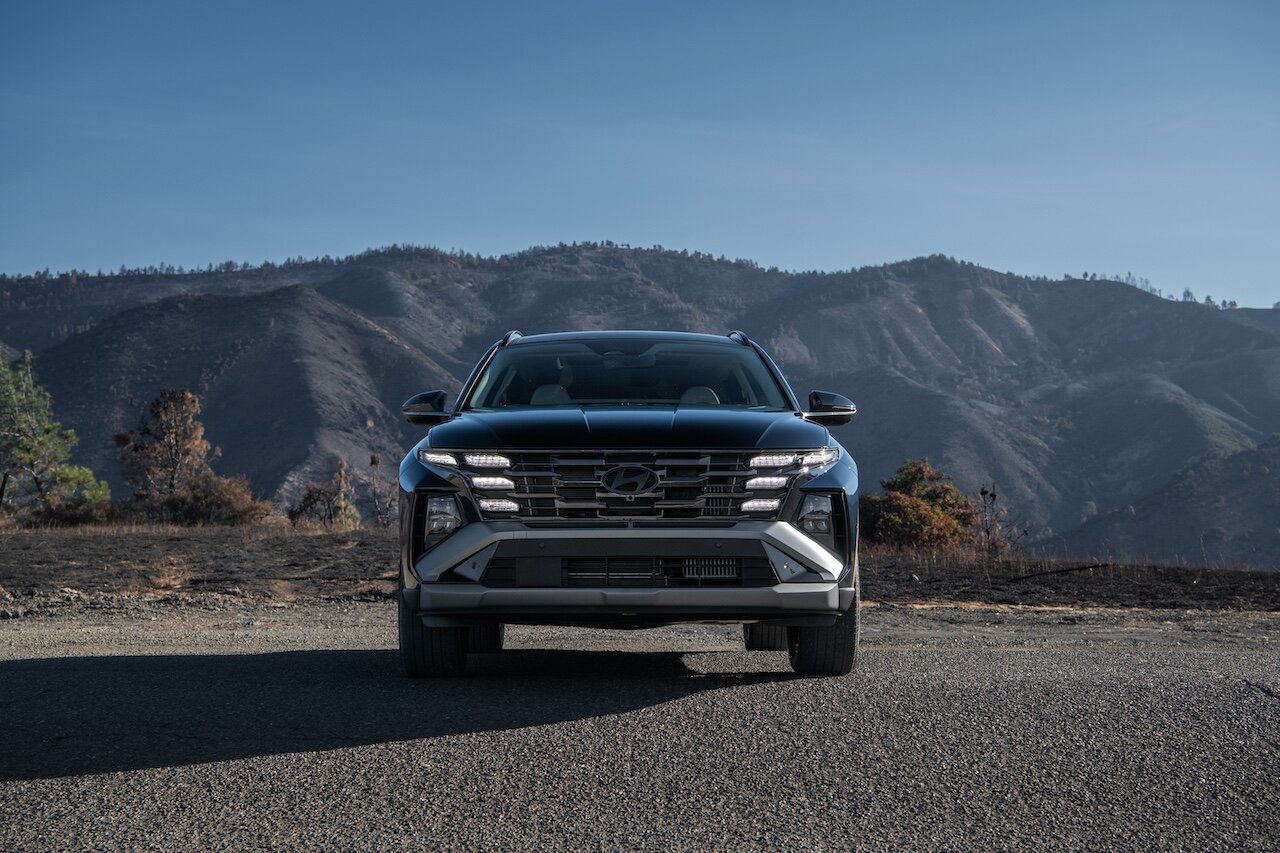
If you want straightforward controls and a slightly firmer ride tuned for pothole-ridden roads (hello again, Michigan), the Kia Sportage will likely suit your tastes better it just feels less fussy day-to-day. If bold design cues and clever tech like remote parking appeal more than tactile dials or classic ergonomics, then the Hyundai Tucson edges ahead.
No matter which way you go, both represent excellent value among compact crossovers and neither will leave you feeling short-changed behind the wheel or at trade-in time down the road. As always in this segment, it comes down to personal taste and maybe which dealership throws in those all-weather floor mats for free.
0 comments
Join the discussion around this article.
Please login to comment.