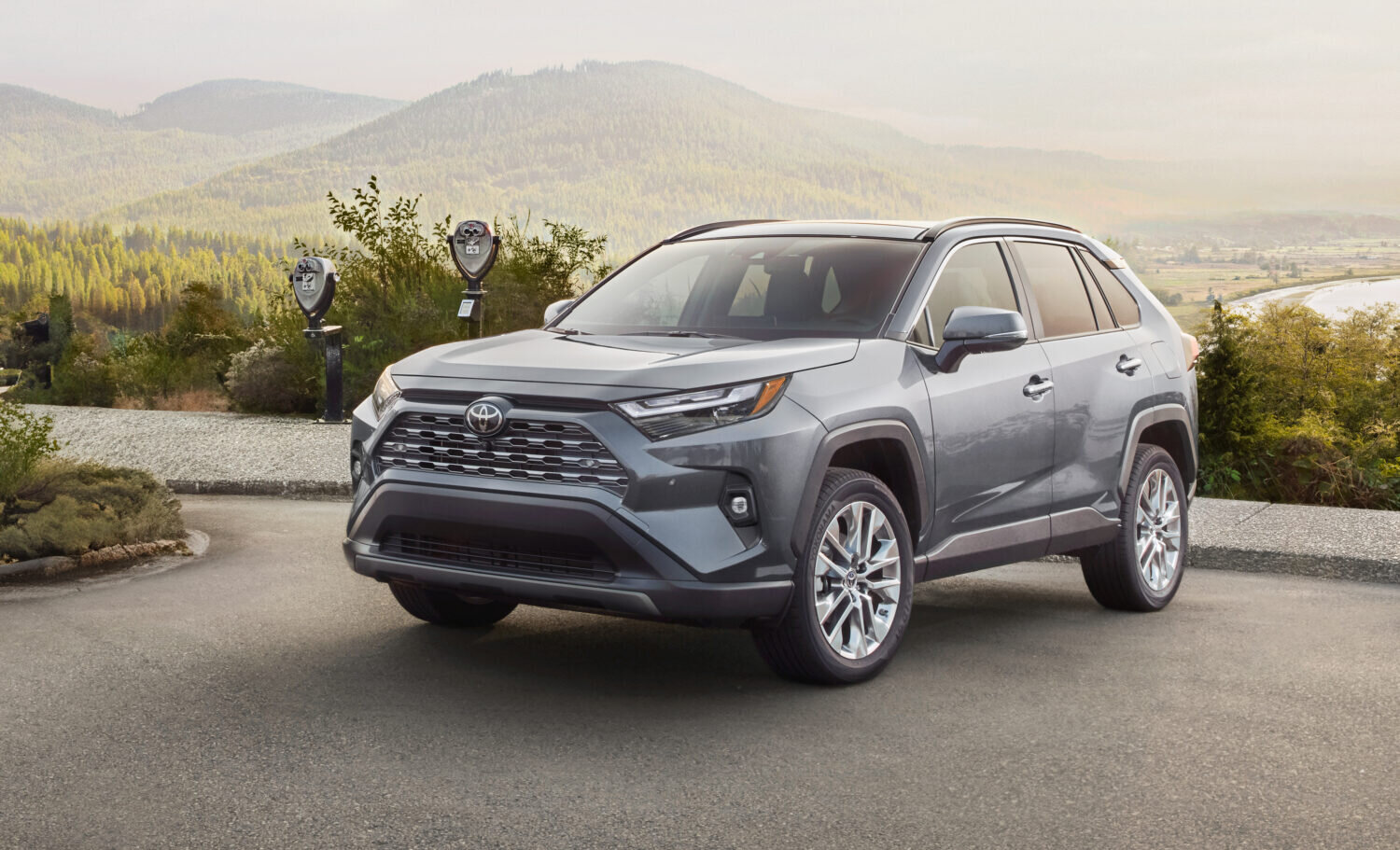
First Impressions: The Familiar Face of a Bestseller
There’s something quietly reassuring about Toyota’s approach to the RAV4. For 2025, the compact SUV doesn’t arrive with wild design flourishes or an all-new platform. Instead, it continues to play to its strengths: reliability, efficiency, and a no-nonsense approach to utility. Out in the Detroit suburbs, where I’ve logged over 1,200 miles in a 2025 RAV4 XLE AWD tester, that familiarity is both its calling card and depending on what you want from your crossover a point of contention.
Under the Hood: Modest Muscle, Reliable Rhythm
The 2025 RAV4 sticks with Toyota’s proven formula under the hood: a 2.5-liter naturally aspirated inline-four paired to an eight-speed automatic transmission. This engine produces a respectable 203 horsepower and 184 lb-ft of torque figures that have become almost archetypal for this segment. While some rivals like the Honda CR-V have shifted to turbocharged four-cylinders (albeit with similar output), the RAV4’s non-turbo setup is all about predictability and longevity. There’s also the hybrid variant, which ups total system output to 219 horsepower and offers standard all-wheel drive. For those who lean green or simply hate frequenting gas stations, this hybrid setup remains one of the best bargains in the category.
On paper, acceleration is adequate: expect 0-60 mph times in the mid-eight-second range for the gas model nothing thrilling but perfectly sufficient for merging onto I-75 or overtaking on a two-lane. The engine note is more muted than in previous generations, though you’ll still catch a bit of a drone under heavy throttle. No V6 option here, but owners rarely seem to miss it given the segment’s priorities.
On the Road: Where Comfort Meets Composure
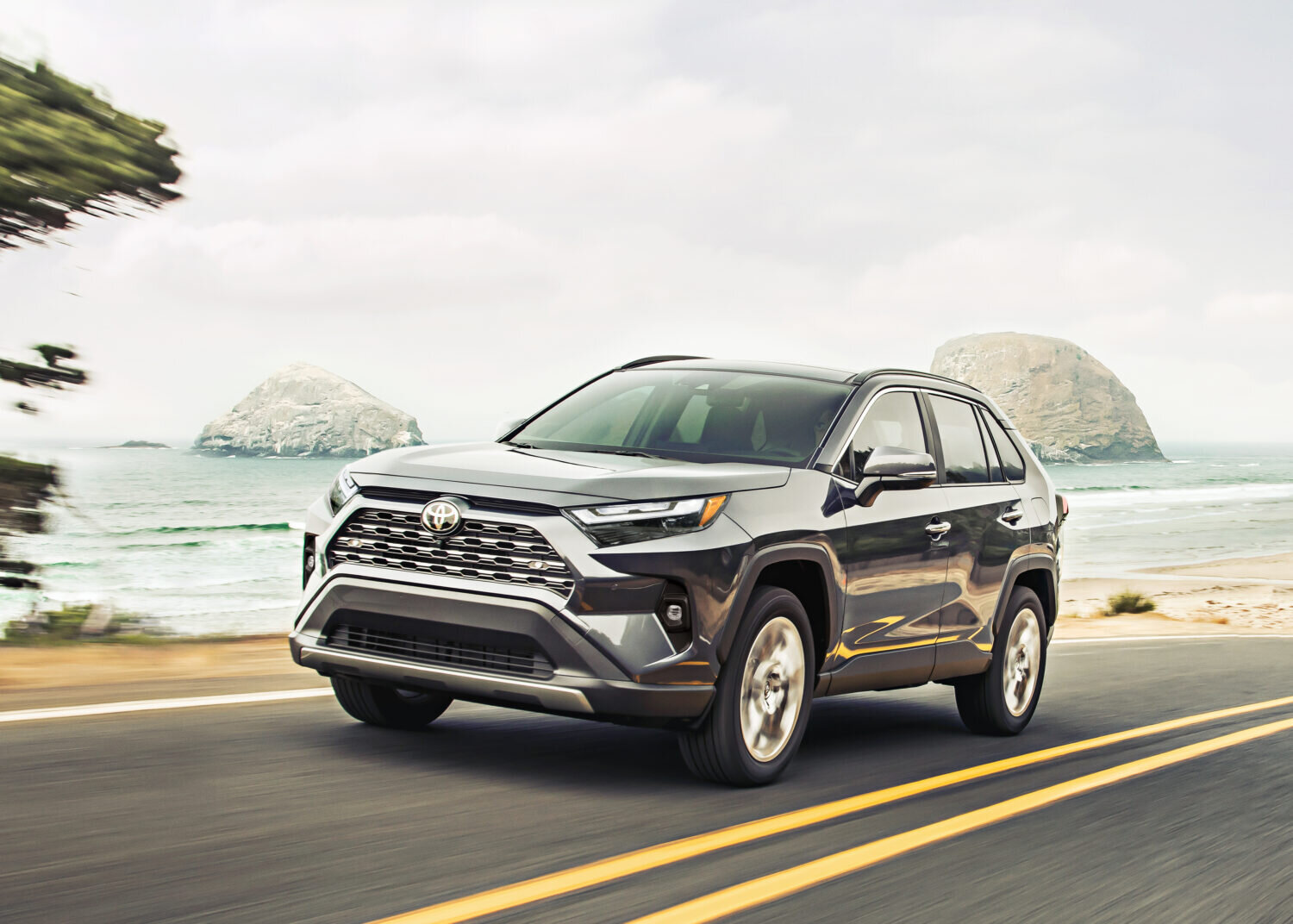
If you’re hoping for athleticism à la Mazda CX-50 or Ford Escape ST-Line, the RAV4 will feel more like a friendly Labrador than a Border Collie. The steering is light but precise enough for urban maneuvering; there’s just enough heft at highway speeds to prevent nervousness. The suspension tuning prioritizes comfort: potholes and expansion joints are dispatched with a muted thud rather than a crash, making long commutes less taxing on both driver and passengers.
Wind noise is well-contained up to about 70 mph a notable improvement over earlier models and quieter than a Chevy Equinox at similar speeds. Road noise from the standard 17-inch wheels is present but never intrusive. The brake pedal has a firm initial bite; some competitors feel mushier in stop-and-go traffic.
Inside the Cabin: Where Buttons Meet Big Screens
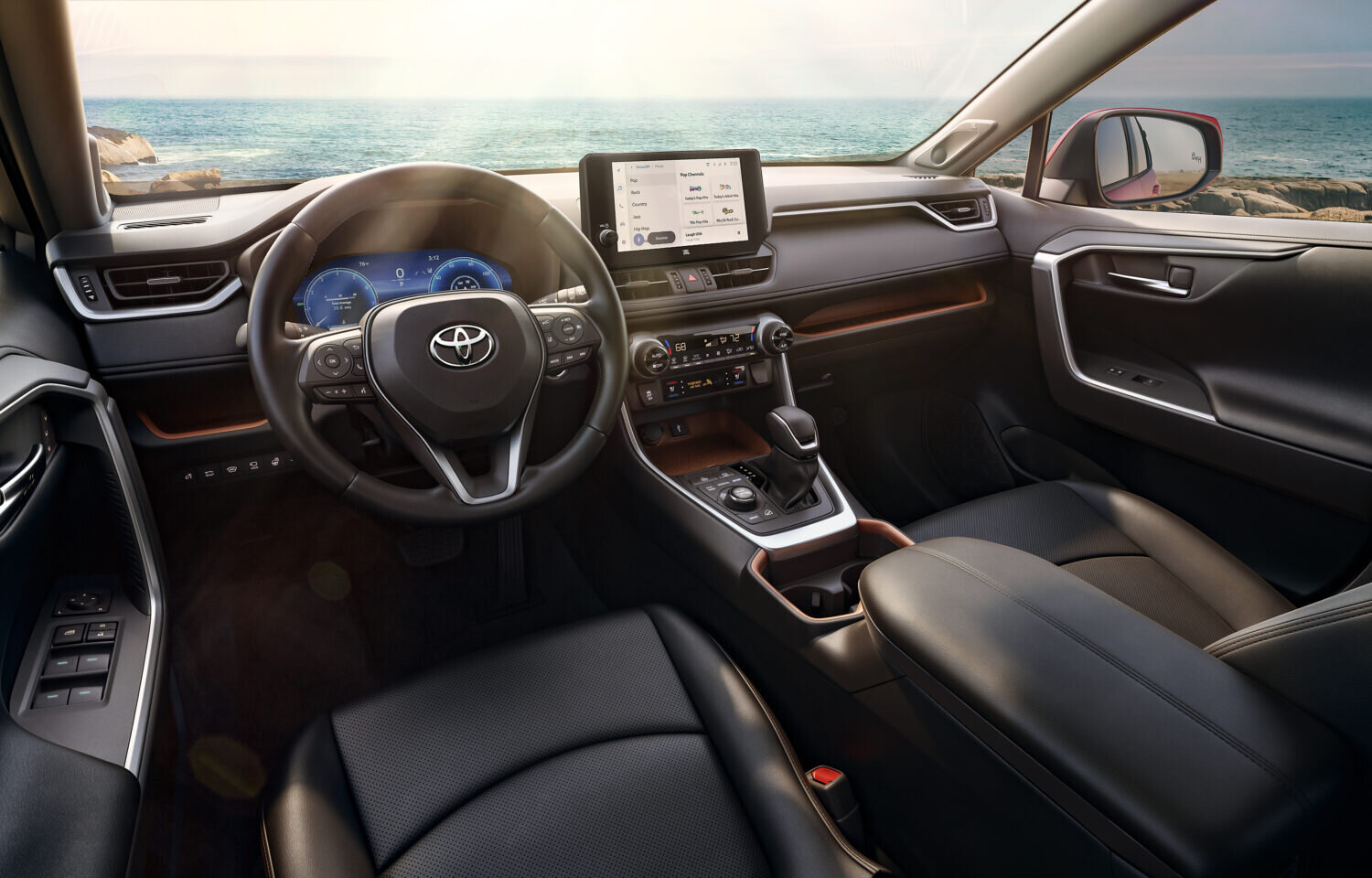
Toyota’s interior philosophy seems allergic to both clutter and excess flash. Step into the 2025 RAV4 and you’re greeted by an upright dashboard dominated by either an 8-inch or available 10.5-inch touchscreen (the latter on higher trims). Physical knobs for climate and volume persist a small victory for anyone who’s fumbled through too many touch-only interfaces. Most materials are mid-grade soft plastics with occasional stitched panels; nothing feels fragile or overtly cheap, but you won’t confuse it for a Lexus either.
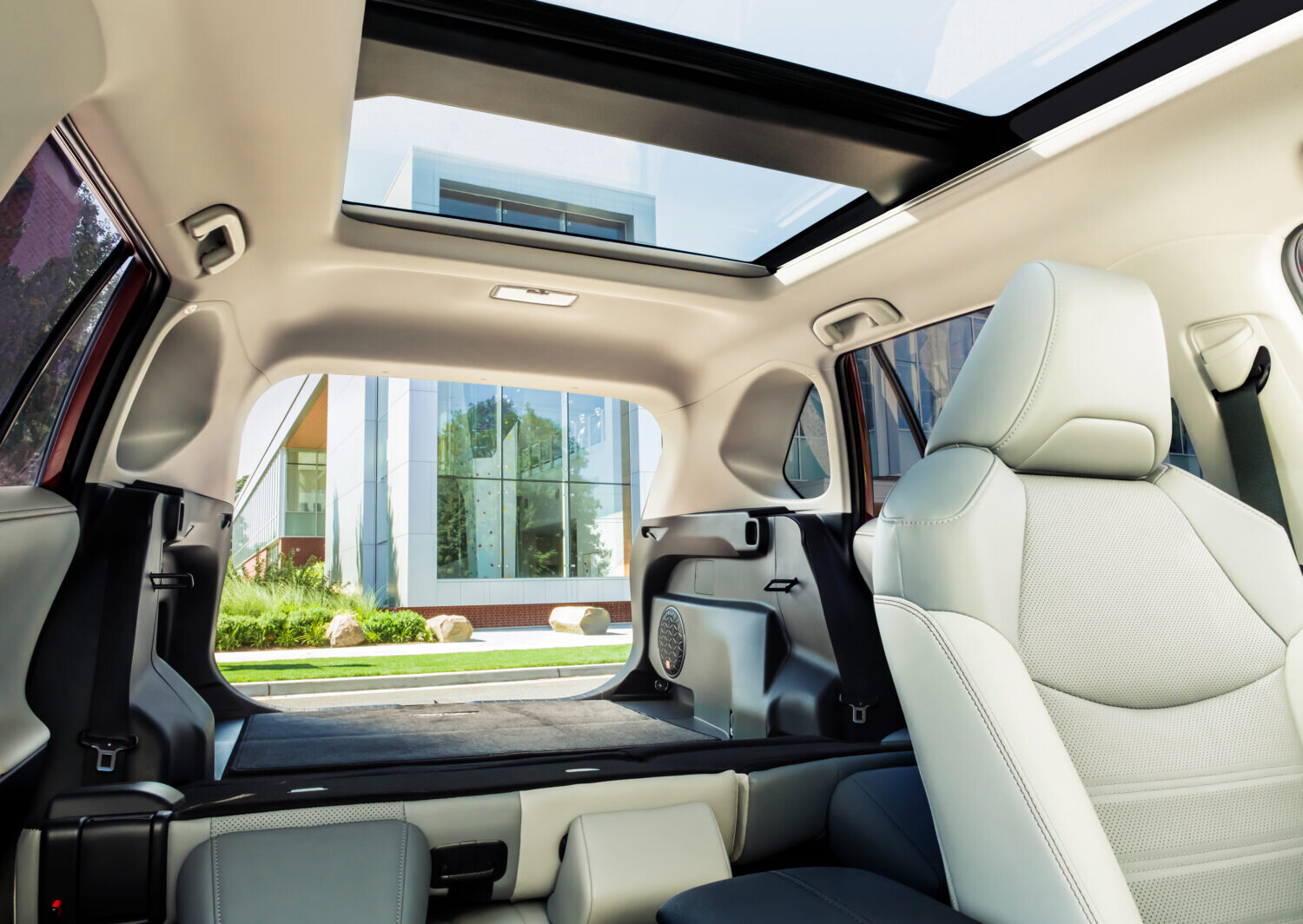
The driver’s seat offers plenty of adjustment, even for taller drivers like myself (six feet with longer legs), though lumbar support remains basic unless you step up to Limited trim. Rear seat space is generous more so than in a Subaru Forester or Volkswagen Tiguan thanks to clever packaging and a nearly flat floor. Cargo capacity sits at 37.6 cubic feet behind the second row; fold it flat and you get just under 70 cubic feet. Those numbers put it ahead of Ford Escape but just behind CR-V for outright cargo-hauling prowess.
Infotainment & Tech: Progress at a Sensible Pace
Toyota has been gradually updating its infotainment suite, and the latest system is finally competitive. Wireless Apple CarPlay and Android Auto are now standard across all trims a welcome change from past years’ frustrating cable requirements. The available JBL audio system delivers decent clarity but lacks real punch compared to what Mazda offers in its upper trims.
Driver assistance tech Toyota Safety Sense 2.5 is standard fare: adaptive cruise control, lane keeping assist, automatic emergency braking with pedestrian detection, blind spot monitoring, and rear cross-traffic alert all come baked in. The lane centering can be overly assertive on tight curves but generally works as intended without feeling intrusive.
Day-to-Day Living: Real Owner Insights from Detroit Streets
Toyota’s reputation for durability isn’t just folklore it’s earned every winter out here in Michigan, where road salt can eat lesser vehicles alive before their first oil change. Owners routinely report minimal issues even after five or six years; resale values remain stellar thanks to this trustworthiness.
Fuel economy holds steady as one of the RAV4’s biggest selling points: EPA estimates stand at 27 mpg city/35 mpg highway/30 mpg combined for AWD gas models; hybrids stretch that into the low-40s combined a real-world result I’ve confirmed during extended suburban runs (the dash readout hovered around 41 mpg over several tanks). Maintenance costs remain low compared to turbocharged rivals that require premium fuel or pricier repairs down the line.
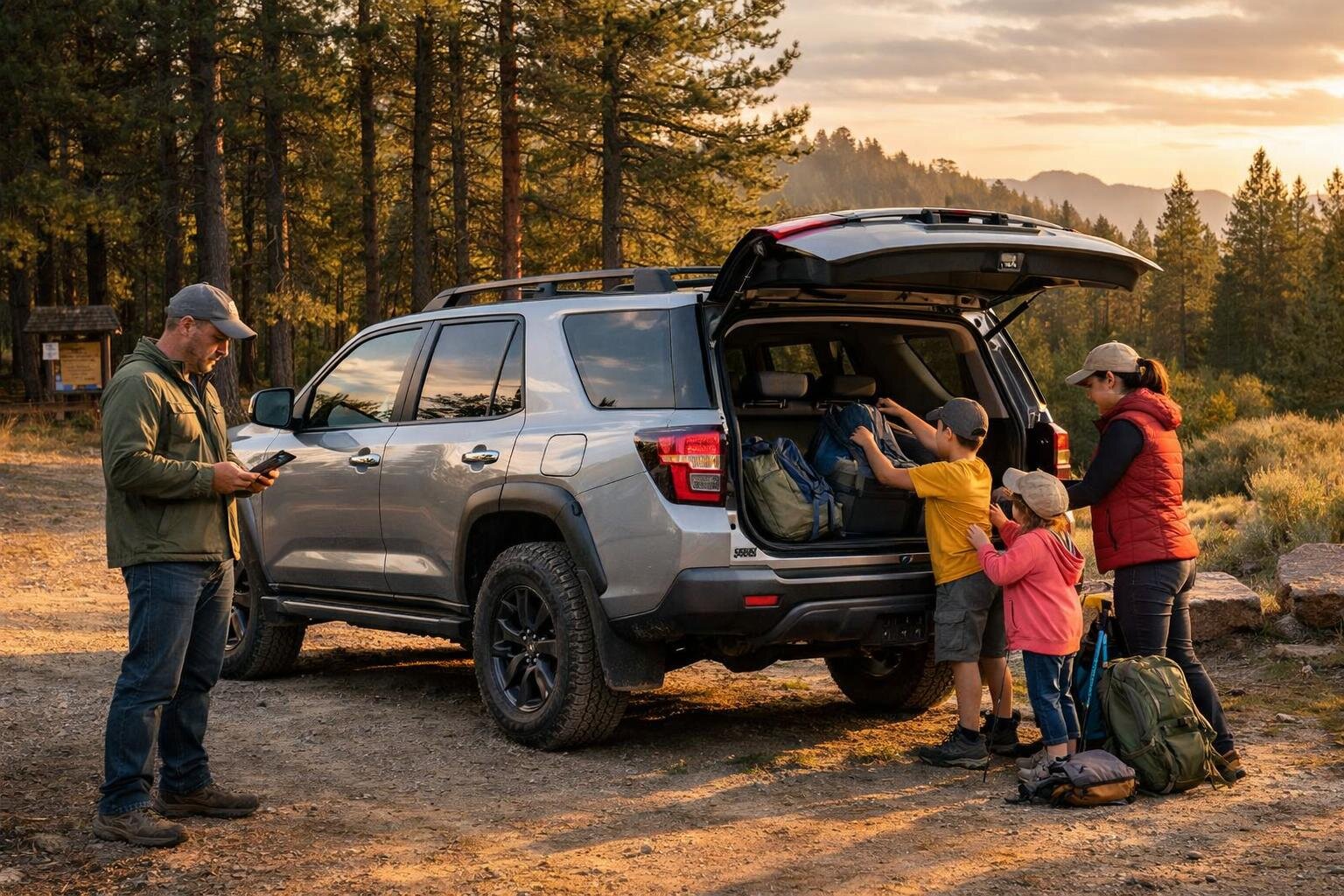
The cargo area’s low liftover height makes Costco runs painless; rear seats fold down flat with a satisfying thunk rather than an awkward half-step like some competitors (looking at you, Nissan Rogue). My only persistent annoyance? The electric parking brake sometimes engages with an audible click just as you’re easing out of your driveway hardly deal-breaking but worth mentioning.
Market Positioning: Where Does RAV4 Stand Among Giants?
The compact crossover market is brutally competitive Honda CR-V and Subaru Forester are perennial heavyweights, while Hyundai Tucson and Kia Sportage offer bold styling and lengthy warranties. Against this backdrop, Toyota opts for incremental refinement rather than revolution.
The RAV4 doesn’t have the plushest ride (that’s CR-V territory), nor does it offer turbocharged performance (Tucson wins there). What it does deliver is consistency owners know exactly what they’re getting year after year. For those seeking plug-in power, the RAV4 Prime remains one of few mainstream options offering over 40 miles of electric-only driving though supply constraints mean they’re rare on dealer lots as of early summer 2024.
The Bottom Line: Steady Evolution Over Flashy Revolution
After two weeks behind the wheel and plenty of parking lot conversations with other owners it’s clear why so many drivers stick with their RAV4s through lease after lease. It isn’t about excitement or daring design; it’s about quietly exceeding expectations where it matters most: reliability, ease-of-use, real-world efficiency.
If your wish list includes thrilling acceleration or opulent interiors, look elsewhere or plan on spending more money elsewhere. But if your priorities line up with longevity, practical comfort, strong resale value, and minimal headaches over five-plus years? The Toyota RAV4 still deserves its spot atop America’s SUV sales charts.
0 comments
Join the discussion around this article.
Please login to comment.