 DriveSense
2026 Hyundai IONIQ 9: what is confirmed, what is not, and where to check
The 2026 Hyundai IONIQ 9 is listed by Hyundai for the U.S. market, which immediately separates it from the long list of three-row EVs that exist mostly as press releases and preproduction promises. Start with Hyundai’s model page for the baseline identity of the vehicle and any official updates Hyundai chooses to publish: https://www.hyundaiusa.com/us/en/vehicles/ioniq-9.
From there, treat the rest like grown-up shopping. Range, efficiency, and safety claims for a new model year can drift if you rely on estimates or dealer chatter. The cleanest approach is to anchor key numbers to official U.S. sources once they are posted: EPA data through FuelEconomy.gov, safety ratings through NHTSA, and recall status by VIN through NHTSA.
This review stays practical on purpose. With the limited hard specs available inside the current article, it is not responsible to publish specific range figures, charging times, towing capacity, curb weight, or trim-by-trim equipment lists. Instead, you get a capability-first checklist for a three-row EV family rig: charging routine, third-row reality, and the patience required when public charging is part of your life.
Specs and verification table (confirmed facts vs shopping advice)
Use this table as a quick filter. If a line item affects your budget or your daily routine, do not treat it as “close enough.” Verify it for your exact trim and build before signing.
- Vehicle exists as a U.S.-market model: Confirmed via Hyundai USA model page. Source: https://www.hyundaiusa.com/us/en/vehicles/ioniq-9
- EPA range and MPGe: Not stated in this article. Verify on FuelEconomy.gov once the 2026 IONIQ 9 appears in the database (and make sure you select the correct trim). Source: https://www.fueleconomy.gov/feg/findacar.shtml
- Charging speed and charging curve details: Not stated in this article. Verify using Hyundai-published specifications for your trim and owner documentation provided at sale. If you cannot find it in writing from Hyundai for your configuration, treat it as unconfirmed.
- Connector type, network access, adapters: Not stated in this article. Verify in Hyundai documentation tied to your exact vehicle (trim and build date), plus what is included with the vehicle at delivery.
- Seating usability (third-row comfort): Not a spec you can trust from a brochure alone. Advice: physically sit in the third row with the second row set to your real driving position and bring your real gear to test cargo space behind the third row.
- Cargo volume behind third row: Not stated in this article. Verify via Hyundai specifications if published for your trim; otherwise measure with your own gear at the dealership.
- Towing capacity and payload: Not stated in this article. Verify directly from Hyundai documentation for your exact configuration before you plan trailers, hitch accessories, or tongue weight.
- Safety ratings: Not stated in this article. Verify on NHTSA once results are posted for the exact vehicle listing. Source: https://www.nhtsa.gov/ratings
- Recalls: Verify by VIN on NHTSA once you have a VIN assigned. Source: https://www.nhtsa.gov/recalls
Who the IONIQ 9 fits best (real American use cases)
If you are coming out of a gas three-row crossover or SUV and you want to keep family capacity without shrinking your routine, the IONIQ 9 is exactly the kind of EV you should at least evaluate. The three-row EV segment is still young in the U.S., so shoppers often end up choosing between price pressure, third-row compromises, or both.
The strongest fit tends to look like this:
- You can charge at home most nights. For many households, that single detail decides whether an EV feels effortless or feels like a weekly scheduling problem.
- You haul people more than plywood. If towing and payload matter even occasionally, you need official ratings from Hyundai for your exact configuration before you commit.
- You are willing to learn basic EV trip planning. It is not hard, but it is different than grabbing gas anywhere and leaving whenever you want.
Cross-shopping will depend on budget and what is actually available locally. In typical U.S. shopping reality, buyers compare any three-row-capable EVs they can buy in their region and sometimes fall back to three-row plug-in hybrids if home charging is limited. This article keeps comparisons high-level because we are not working from verified side-by-side specs here.
The three-row EV question that does not go away: charging, space, patience
A gas three-row SUV mostly asks how often you want to stop for fuel. A three-row EV asks questions that show up every week.
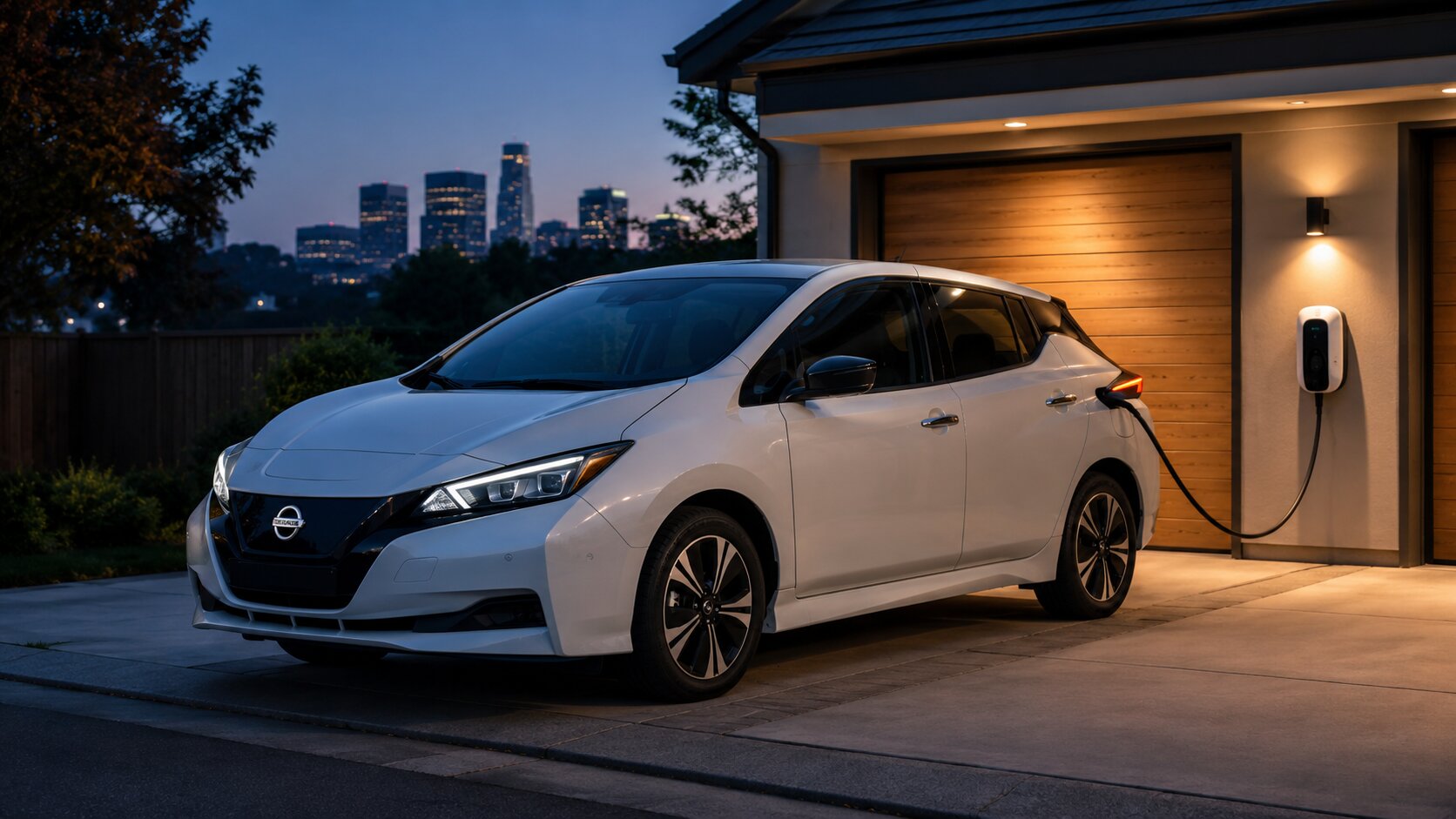
Charging is routine more than bragging rights. If you plug in overnight at home, daily driving can feel almost boring in a good way because you start most mornings charged. If you cannot charge at home or at work, public charging becomes your lifeline, and that changes how you plan errands and road trips.
Space is where families get surprised. Third rows vary wildly in adult comfort, and cargo behind a raised third row disappears fast once strollers, sports bags, coolers, or muddy boots enter the chat.
Patience is infrastructure reality. Even if a vehicle supports DC fast charging (verify capability through Hyundai’s published information for your trim), your day still depends on station uptime, stall availability, payment systems that occasionally fail, and whether your route has solid options when weather or traffic forces detours.
Charging routine: how to verify what matters (with official links)
If you buy a big family EV without checking charging realities first, it can be frustrating in ways that have nothing to do with the vehicle itself. Do this homework before you negotiate anything.
1) Anchor range and efficiency to EPA listings. In the U.S., FuelEconomy.gov is the baseline source for EPA range and MPGe once a vehicle is listed. Use their lookup tool here: https://www.fueleconomy.gov/feg/findacar.shtml.
If the 2026 IONIQ 9 does not appear yet when you read this, treat any “estimated” number as provisional until it matches an official listing or official Hyundai documentation tied to your exact trim.
2) Get honest about home charging. A basic household outlet can work for some drivers with short commutes; many families prefer dedicated Level 2 charging for faster overnight replenishment. This article does not claim charge rates because none are provided in the source material here. The practical move is simple: confirm what your electrical panel can support with an electrician before delivery day.
3) Treat public fast charging like a skill set. With kids onboard and cargo packed tight, improvising stops gets old quickly. Plug type knowledge, stall-speed expectations, idle-time etiquette, and route planning reduce stress even when stations are busy. For a practical primer geared toward new EV owners, this related guide is worth bookmarking: public charging without drama.
4) Confirm connector standards and network access in writing. The U.S. EV world has been shifting on connectors and network access. Do not assume anything based on last year’s headlines. Confirm what port your vehicle has, what adapters are included at delivery (if any), and what networks are supported on day one based on Hyundai’s current materials for your trim and build date.
Third-row reality check: seating comfort vs cargo math
I like big three-row SUVs because they quiet down family logistics when everyone has somewhere reasonable to sit. But every three-row layout forces tradeoffs once all seats are up.
Hyundai positions the IONIQ 9 as a family-sized electric SUV on its model page (linked above). What we cannot do from the available source material here is quote exact interior dimensions or cargo volumes behind each row position. That means your best move is still old school:
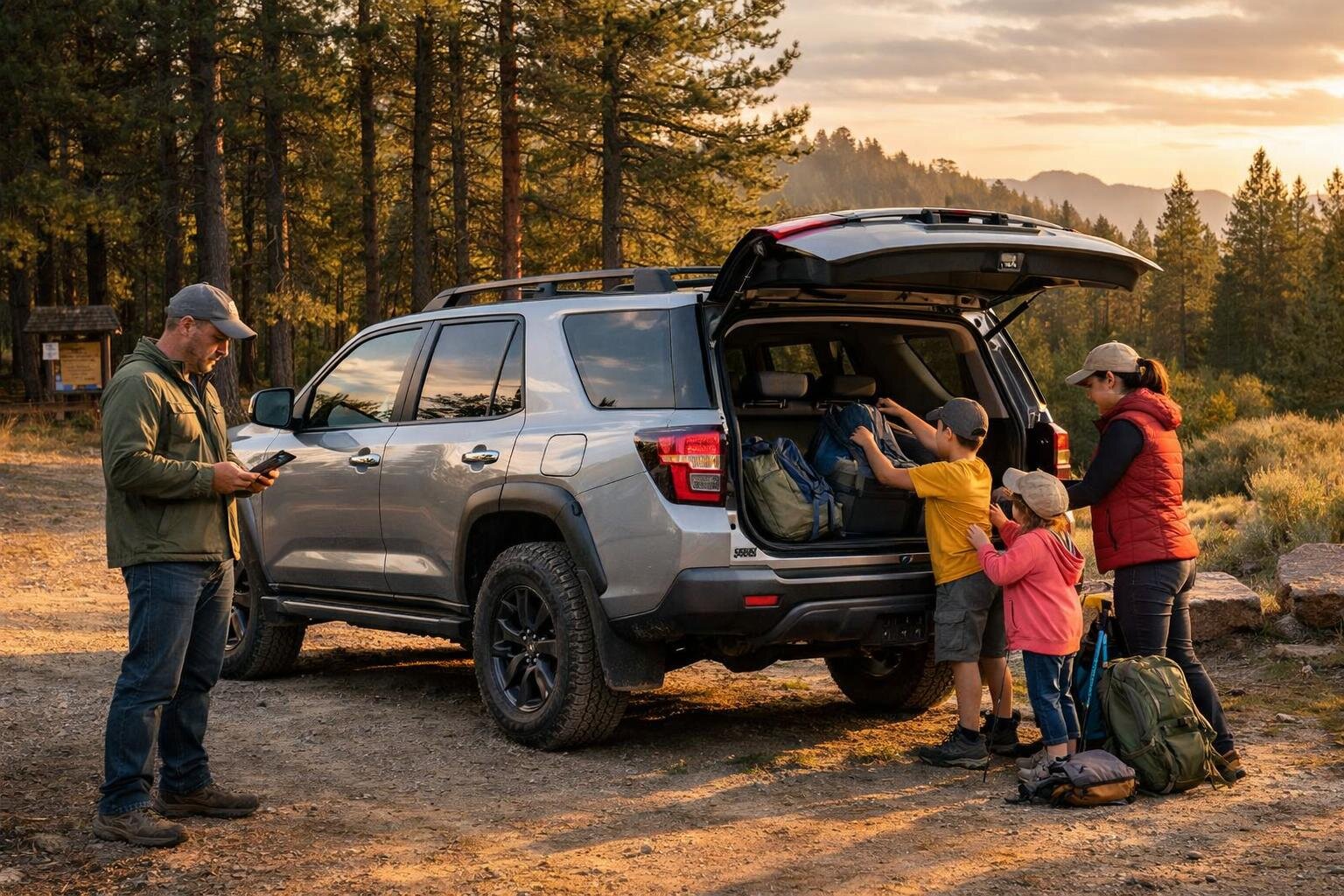
- Bring real gear to the dealership. Stroller, carry-on suitcase, sports bags, dog crate if that is part of your life. Load it with all rows up first because that is when three-row SUVs get exposed.
- Sit in the third row like an adult would actually ride. Set the second row for a normal driver position up front; then check knee room, foot room under seat bases (some designs block toes), headroom, and whether vents and cupholders are where you need them.
- Check entry and exit with car seats involved. Kids climb fine until someone is buckling a toddler seat while another kid tries to squeeze past with a backpack and water bottle. Access matters as much as inches on paper.
A note on “driving impressions” without making things up
This article does not claim a road test of the 2026 IONIQ 9. No invented acceleration talk, no fake ride-quality verdicts.
What you can do on your own test drive is focus on traits that often separate good family haulers from frustrating ones:
- Low-speed smoothness: Many large EVs feel calm around town because electric power delivery is naturally smooth compared with gas engines shifting gears in traffic.
- Brake feel: Big EVs tend to carry substantial mass because size plus battery weight adds up; pay attention to how consistent braking feels from stoplight speeds down to parking-lot crawls.
- Lane-change confidence: On your test route, find a safe highway merge or pass so you can judge visibility, steering response, and how composed it feels at typical interstate speeds.
If you want more context framed around charging habits and third-row practicality (without pretending we have specs we do not), this related piece covers similar decision points: 2026 Hyundai IONIQ 9 charging and third-row review.
Sizing up safety and ownership paperwork (official links)
This part is boring until it saves you time later.
NHTSA safety ratings: Check NHTSA’s ratings site for crash-test results once they are posted for the specific listing that matches the vehicle you are buying: https://www.nhtsa.gov/ratings.
NHTSA recalls by VIN: Once you have a VIN assigned (or if you are looking at dealer stock), run it through NHTSA’s recall lookup tool: https://www.nhtsa.gov/recalls. Recall status can change over time; checking today tells you what is recorded today.
Warranty details: Hyundai’s warranty reputation matters to many shoppers, but coverage varies by model year and component category. Confirm terms in writing for high-value EV components before signing anything; rely on documents rather than general brand talk.
The bottom line: should families put the 2026 IONIQ 9 on the list?
If you need three rows with an all-electric powertrain in the U.S., it makes sense to consider the 2026 Hyundai IONIQ 9 because Hyundai publicly lists it as a U.S.-market vehicle. Just do not confuse interest with due diligence. This class of SUV only feels easy when charging fits your life instead of fighting it every week.
The next steps are simple and unglamorous: confirm current details on Hyundai’s page (https://www.hyundaiusa.com/us/en/vehicles/ioniq-9), pull EPA range data from FuelEconomy.gov when available (https://www.fueleconomy.gov/feg/findacar.shtml), then check NHTSA ratings and recalls when listings exist (https://www.nhtsa.gov/ratings, https://www.nhtsa.gov/recalls). After that, go sit in the third row with your real gear in hand. That test tells you more than any hype ever will.
Keep the conversation going
What would you ask next?
Read the discussion or share your experience.