 DriveSense
2026 Subaru Forester review, in one sentence
The 2026 Subaru Forester is the compact SUV for people who want an easy, confidence-building driving environment first, with big windows, predictable controls, and Subaru’s familiar all-wheel-drive positioning leading the pitch, as shown on Subaru’s own model page.
Official model overview: 2026 Subaru Forester AWD Compact SUV (Subaru).
Who should shortlist the 2026 Subaru Forester
If you have ever climbed into a newer crossover and immediately felt like the beltline is too high or the rear glass is too stingy, the 2026 Subaru Forester should be on your list. Forester shoppers tend to be the ones who care less about looking “sporty” and more about seeing out of the thing and placing it confidently in traffic or a tight parking lot.
It also makes sense for drivers who like calm, familiar ergonomics. Many compact SUVs have drifted toward bigger screens and fewer physical controls. If that trend annoys you, the Forester’s whole vibe, at least historically and by reputation among mainstream buyers, is more straightforward and less fussy. Still, you should confirm the exact control layout on the trim you are considering because features and interfaces can vary year to year and by option package.
What we can verify (and what we cannot) for this model year
This review is anchored to authoritative sources that are appropriate for a model-year overview: Subaru’s official 2026 Forester model page and the Insurance Institute for Highway Safety (IIHS) ratings portal.
Verified facts we can cite directly here:
Subaru publicly lists the 2026 Subaru Forester on its U.S. consumer site as an AWD compact SUV. That establishes model-year naming and basic positioning straight from the manufacturer source: Subaru 2026 Forester page.
IIHS publishes safety ratings and safety award information by vehicle on its official site. This is where you should verify any claims about crash-test performance or Top Safety Pick status for the 2026 Subaru Forester before treating them as fact: IIHS vehicle ratings.
Important gaps we will not fill with guesses:
This evidence package does not include confirmed specifications such as horsepower, torque, fuel economy, towing capacity, cargo volume, trim walk details, pricing, or feature-by-feature availability for the 2026 Subaru Forester. Those numbers may exist elsewhere, but they are not part of the approved source set for this assignment. So rather than inventing them or leaning on memory from prior years, this review focuses on what you can validate quickly and what to check when you are standing next to a window sticker.
Visibility and “calm controls”: why the Forester’s personality matters
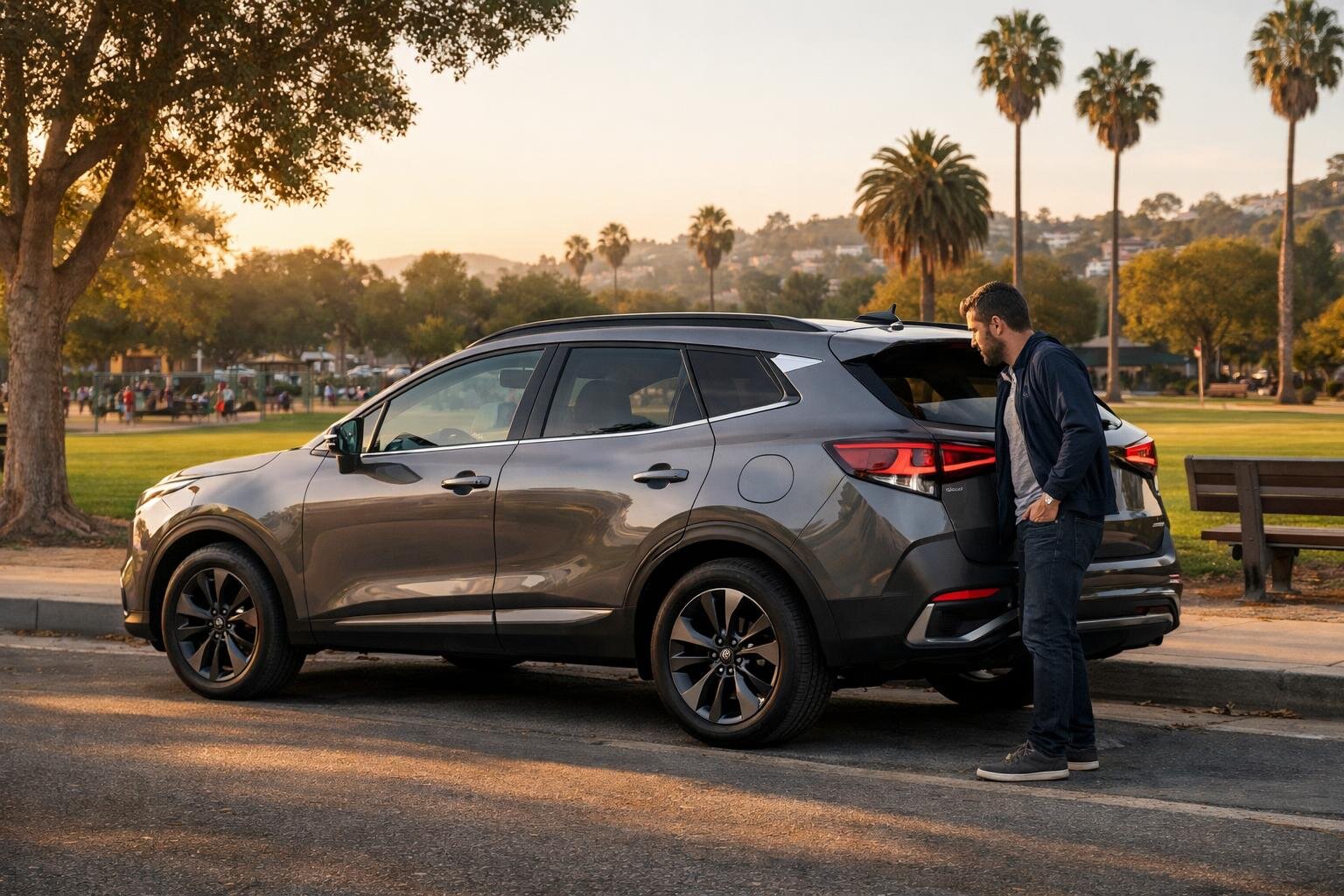
Visibility is one of those qualities you only notice when it is missing. A lot of compact SUVs feel like you are peering out from behind thick pillars and a rising doorline. The Forester’s long-running appeal has been that it generally prioritizes outward sightlines and a more upright seating position over dramatic styling tricks. That tends to reduce mental load in everyday driving: merging feels simpler, lane placement takes less effort, and backing into a spot becomes less of a neck-craning event.
The second half of this review title is “calm controls,” and that is really about reducing friction. In typical daily use, drivers interact with HVAC settings, audio volume, defrost functions, drive modes (if equipped), and driver-assistance toggles far more often than they exploit peak horsepower. When those basics are easy to reach and easy to understand at a glance, the vehicle feels less demanding. Whether the specific 2026 Subaru Forester trim you want nails that depends on its exact interior design and infotainment setup, which you should confirm in person or via Subaru’s own trim pages on the official site.
Daily usability: cabin space, cargo reality, and living-with-it details
The compact SUV class is brutally competitive because everyone uses these vehicles for the same stuff: commuting, school drop-offs, weekend errands, road trips with friends, and hauling bulky purchases that do not fit in a sedan trunk.
Here is how to think about the 2026 Subaru Forester in that context without pretending we have measurements we do not.
Cabin layout: The practical question is whether you can get comfortable quickly and whether passengers have enough headroom and knee room for real rides. With any Forester you are shopping, sit in your normal driving posture first, then check sightlines over your shoulder and through the rear glass. If visibility is your top priority, do not skip this step just because a spec sheet says “compact SUV.” Two compact SUVs can feel wildly different from behind the wheel.
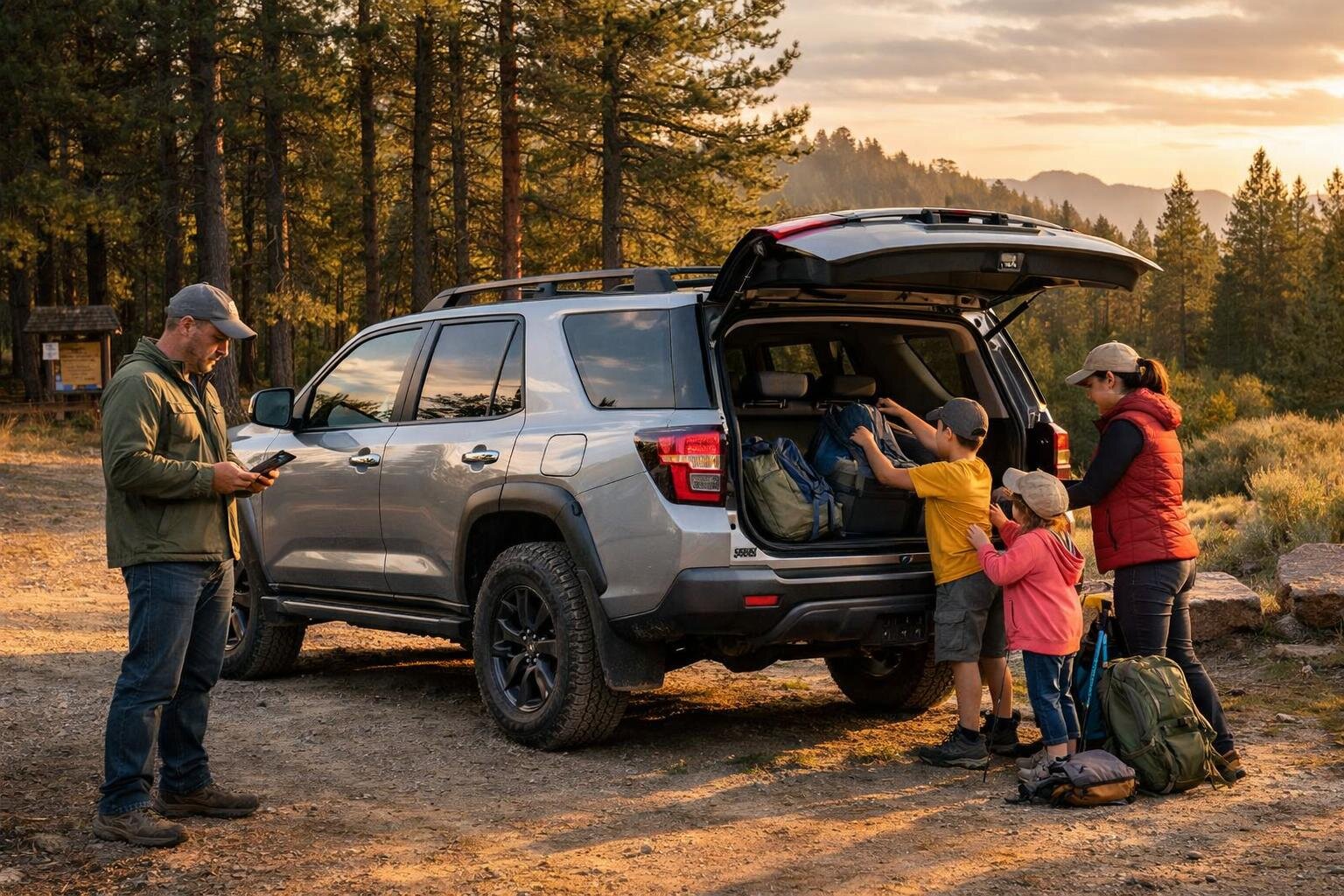
Cargo: Bring your real-life items into the decision. A folded stroller, a medium dog crate, two carry-on suitcases plus groceries. The cargo number on paper matters less than floor shape and load height in practice. Check whether there is a flat load floor with seats down (if that matters to you) and whether tie-down points are where you would actually use them.
Controls in motion: During your test drive (even if it is just around town), try adjusting temperature and fan speed while keeping your eyes up. If you have to hunt through menus or poke at tiny icons repeatedly, that is exactly the kind of “busy” experience calm-control buyers are trying to avoid.
Driving impressions (without pretending we ran instrumented tests)
This review does not claim track times or measured braking distances because none are provided in our approved sources. But you can still evaluate how a 2026 Subaru Forester will feel in normal use by focusing on repeatable observations during a drive.
Low-speed maneuvering: A visibility-forward SUV tends to feel smaller than it is when threading through parking lots or tight residential streets. Pay attention to how easily you can judge the front corners when pulling into angled spots or creeping up to curbs.
Highway calm: On your test route, include an on-ramp if possible. You are not chasing numbers here; you are checking whether power delivery feels predictable when you ask for acceleration and whether lane changes feel relaxed thanks to clear sightlines.
Ride comfort: Compact SUVs vary widely in how they handle broken pavement. Some rivals chase sharper steering feel at the expense of low-speed ride compliance. If your goal is calm commuting rather than sporty feedback, prioritize how composed it feels over potholes and expansion joints.
Safety lookup: what to verify on IIHS before you decide
If safety ratings matter to you (and for many families they do), treat them like something you verify rather than something you assume based on brand reputation.
The IIHS ratings portal is the right place to do that research: IIHS vehicle ratings.
How to use IIHS for a 2026 Subaru Forester shopping decision:
Search for “Subaru Forester” within IIHS ratings and make sure you select the correct model year (2026). Then review crashworthiness results (where available), crash avoidance and mitigation evaluations (where available), headlight ratings (which often vary by trim), and any safety award designation only if it appears there for that exact model year.
This matters because shoppers sometimes hear “Top Safety Pick” in casual conversation or see it applied broadly across years. Awards can change with testing protocols or equipment changes; do not rely on hearsay when IIHS publishes it directly.
Rivals worth cross-shopping (and why visibility shoppers still end up here)
The compact SUV aisle is stacked with good options. The trick is matching personality to priorities.
Honda CR-V: The CR-V is one of the default recommendations in this segment because it tends to be broadly competent across comfort, efficiency options depending on model year lineup, resale strength reputation among buyers, and family friendliness. If you want a deeper side-by-side shopping framework while staying in this exact segment context, see our Forester vs Honda CR-V comparison. For visibility-first shoppers specifically, your job is to sit in both and judge which one gives you better corner-to-corner confidence without relying solely on mirrors or cameras.
Toyota RAV4: The RAV4 remains a common alternative because it has huge market presence and broad trim variety depending on year. Some buyers love its more assertive styling; others find that modern styling trends can trade away some glass area feel compared with more upright designs. That makes it an especially good foil for a visibility-focused test sit.
Mazda CX-5/CX-50: Mazda’s compact SUVs often appeal to drivers who prioritize interior vibe and road feel. If your priority list starts with “quiet confidence” rather than “sharp handling,” these may or may not align with your definition of calm controls. Again: try basic tasks like changing cabin temperature while driving before deciding which interface fits your brain.
What to verify on the window sticker before signing anything
This is where smart buying happens. For a 2026 Subaru Forester specifically, use this checklist so you do not assume equipment that may be optional or trim-dependent.
1) Exact model-year name: Confirm it states “2026 Subaru Forester” clearly. Model-year mix-ups happen more often than people think when inventories overlap.
2) Drivetrain description: Subaru positions the Forester as an AWD compact SUV on its official model page; make sure your specific vehicle matches what you intend to buy (AWD listed as equipped): Subaru 2026 Forester page.
3) Driver-assistance features included: Do not assume every safety feature is standard across trims without reading the Monroney label line by line. If a feature matters to your daily stress level (adaptive cruise control behavior, lane-centering availability, blind-spot monitoring), verify it explicitly.
4) Wheels/tires and lighting: These can affect ride comfort and real-world visibility at night. IIHS headlight scores sometimes vary by trim; verify both equipment and rating if night driving safety is high on your list: IIHS vehicle ratings.
5) Infotainment interface reality: Sit in the exact car if possible. Screen size alone does not tell you whether it will be calming or annoying at 7:30 a.m. when you just want defrost plus audio volume without menu diving.
Pros and cons for visibility-first buyers
Pros
You are shopping a vehicle whose brand positioning emphasizes an AWD compact SUV mission statement from the factory source itself.
The Forester nameplate has long been associated by shoppers with easy outward sightlines relative to some sleeker rivals.
The overall concept fits buyers who want predictable daily operation more than flash.
Cons
This review cannot responsibly quote horsepower, mpg, towing capacity, cargo volume figures, pricing, or trim-by-trim equipment based on our limited verified-source set; you will need to confirm those details directly from Subaru materials for your chosen trim.
Safety awards or specific crash-test results should not be assumed without checking IIHS for the exact 2026 model year.
If your priority list leans heavily toward sporty handling character or premium-lux interior flair, some competitors may fit that brief better depending on configuration.
The verdict: Is the 2026 Subaru Forester a good fit for drivers who value outward visibility and predictable everyday controls?
Yes, with an important caveat: based on what we can verify from Subaru’s official positioning alone, the 2026 Subaru Forester belongs on your shortlist if visibility confidence and an unfussy daily-driving mindset are genuinely your top priorities.
The caveat is simple but non-negotiable. Before treating any specific claim about powertrain output, fuel economy, cargo capacity numbers, towing capability, pricing, or even safety award status as fact for this model year, confirm it using primary sources like Subaru’s detailed trim information for your exact build plus IIHS for safety results: IIHS vehicle ratings.
If you do that homework and still find yourself relaxing behind the wheel because you can see clearly out of it and operate basics without fussing at a screen too much, that is exactly what the 2026 Subaru Forester promises in spirit. In this crowded segment full of very good choices like CR-V-leaning practicality or RAV4-style variety depending on what you shop, that kind of calm counts for more than most people expect until they live with it every day.
Keep the conversation going
What would you ask next?
Read the discussion or share your experience.