Disclosure: This review is a decision-first guide built from verified U.S. specifications and safety information published by Hyundai, IIHS, and NHTSA documents. It is not based on a hands-on road test.
Who the 2026 Hyundai Ioniq 9 is for
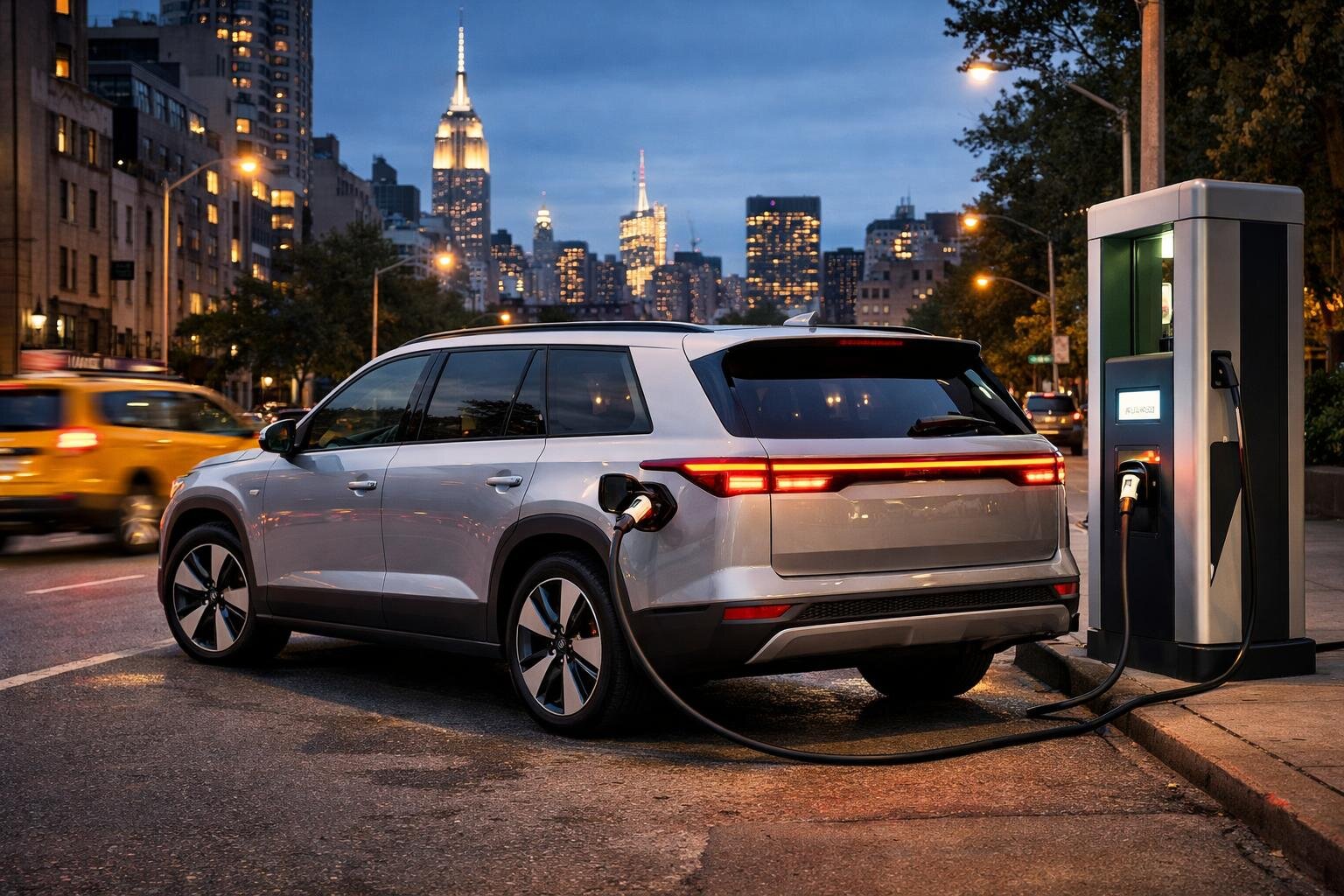
If you need three rows and you are ready to treat charging like a routine, the 2026 Hyundai Ioniq 9 is one of the most straightforward new entries in the family EV market. The pitch is simple: a purpose-built three-row electric SUV with an EPA-estimated range that can reach 335 miles in its most efficient configuration, fast-charging capability that Hyundai says can get you from 10% to 80% in about 24 minutes on a 350 kW, 800V DC charger (with the included CCS adapter), and a native NACS charge port for Tesla-style plugs.
The Ioniq 9 is for households that do lots of repeatable miles: school drop-offs, sports practice, weekend errands, and the occasional longer trip where you can plan a stop. It is also for buyers who want a modern EV platform rather than an electrified version of a gas SUV. If your life is more spontaneous than scheduled, or you live in an apartment with unreliable public charging nearby, a three-row EV can still work, but it stops feeling effortless fast.
Verified facts (and what we cannot confirm yet)
Here is what is confirmed from Hyundai’s U.S. information and third-party safety sources as of this writing.
Model and positioning: The Hyundai Ioniq 9 is Hyundai’s three-row electric SUV for the U.S. market, introduced for the 2026 model year.
Pricing: Hyundai has announced U.S. pricing starting at $58,955. (As always, that is before dealer fees and taxes. Transaction prices will depend on availability and region.)
EPA-estimated range (Hyundai-published): Up to 335 miles for RWD S. Hyundai also lists 320 miles for AWD SE/SEL, and 311 miles for AWD Performance Limited / Performance Calligraphy Design. Range varies by trim and configuration.
Charging hardware and claims: Hyundai states the Ioniq 9 uses a native NACS charge port and includes a CCS adapter. Hyundai also publishes two specific DC fast-charging time claims: about 24 minutes (10% to 80%) on a 350 kW, 800V ultra-fast charger using the CCS adapter, and about 40 minutes (10% to 80%) on a NACS V3 Supercharger. Real-world results vary with temperature, charger output, battery conditioning, and stall availability, so treat these as best-case benchmarks rather than guarantees.
Cargo volume (Hyundai-published): 21.9 cubic feet behind the third row, and 46.7 cubic feet with the third row folded. Hyundai also lists 163.4 cubic feet of passenger volume for seven-passenger variants.
Seating: Hyundai indicates six- or seven-passenger configurations depending on seating layout (bench versus captain’s chairs). Exact trim-by-trim packaging should be verified on Hyundai’s current build and spec pages when you shop because availability can shift with model-year updates.
Safety ratings: IIHS lists the 2026 Hyundai Ioniq 9 as a TOP SAFETY PICK+. For NHTSA, the Ioniq 9 appears on the agency’s list of 2026 model-year vehicles selected for testing, but you should not assume an overall star rating has been posted until you check the live NHTSA ratings page at purchase time.
Recalls: NHTSA recall documents show small populations of certain 2026 Ioniq 9 vehicles were included in recalls related to a rear suspension fastener issue (report notes 34 potentially involved vehicles) and a high-voltage battery bus-bar issue (report notes 6 potentially involved vehicles). That does not mean every Ioniq 9 is affected; it means specific VINs may be. Any shopper should run the VIN through NHTSA’s recall lookup before signing paperwork.
What we cannot responsibly add here: I am not going to invent acceleration times, real-world efficiency, exact charging curves, cabin noise measurements, or ride quality impressions without instrumented testing or a documented drive. Likewise, towing capacity and trim-specific feature details should be quoted only when verified against Hyundai’s current U.S. spec pages for your exact trim.
The decision framework: charging routine + third-row reality
A three-row EV purchase usually collapses into two questions that sound simple but get real quickly.
1) Can you make charging boring? If you can charge at home consistently, most ownership stress disappears. If you cannot, every week becomes a small logistics exercise.
2) Will your third row be used by adults or kids? “Three rows” covers everything from occasional kid seating to legitimate adult comfort on longer drives. The difference shows up in access, posture, and what cargo space remains when all seats are up.
Daily life: seats, kids, cargo (the stuff that decides purchases)
The Ioniq 9’s biggest advantage is that it was conceived as a three-row EV from day one. That matters because EV packaging often helps interior space: no driveshaft tunnel running through the cabin like many gas SUVs have, and designers can push wheels outward to open up floor space. You still need to sanity-check it against your own use case though.
The third row: Based on available specs alone, we can say Hyundai gives you measurable cargo capacity even with the third row in place: 21.9 cubic feet behind the third row. That number suggests room for real life items like strollers that fold flat-ish or grocery runs without playing luggage Tetris every time. It will not feel like minivan-level space behind row three because no midsize-ish three-row SUV does, but it sounds usable rather than symbolic.
The second row choice matters more than people admit: Six- versus seven-passenger layouts are not just about headcount. Captain’s chairs can make third-row access easier because there is often a pass-through gap between seats; benches help if you need three across in the second row or want maximum seating flexibility. If your household uses car seats daily, your best move is to bring your actual seat to the dealer and see how access works with it installed. That is not glamorous advice; it saves regret.
Cargo with seats folded: With the third row down, Hyundai lists 46.7 cubic feet. For many families that means weekend road trip gear without stacking to the roofline. It also helps if your “third row” is really an occasional-use seat that stays folded most days.
The honest family-EV tradeoff: Three-row EVs tend to weigh more than two-row crossovers because battery capacity has to support more frontal area and mass. The upside is stability and highway composure in many EVs; the downside can be tire wear costs and higher replacement tire prices depending on wheel size and trim. Those are ownership realities worth budgeting for even if we do not have trim-by-trim tire specs in front of us here.
Charging: the routine that makes it easy or makes it miserable
This is where the Ioniq 9 starts to look like a smart market response rather than just another new nameplate.
NACS native port plus included CCS adapter: Hyundai says the Ioniq 9 comes with a native NACS port and includes a CCS adapter. In plain English: you are set up for Tesla-style plugs while still having access to CCS infrastructure via an adapter. That reduces “charger roulette” anxiety compared with EVs locked into one connector ecosystem.
The published fast-charge benchmarks:
- About 24 minutes from 10% to 80% on a 350 kW, 800V DC charger, using the included CCS adapter (Hyundai claim).
- About 40 minutes from 10% to 80% on a NACS V3 Supercharger, using the native NACS port (Hyundai claim).
If those numbers are even close in typical conditions, they put the Ioniq 9 squarely in the “family road trip capable” category rather than “plan your day around charging.” But expectations matter: charging speed depends on battery temperature, how busy the site is, whether stalls are derated, and where you arrive in the state-of-charge window.
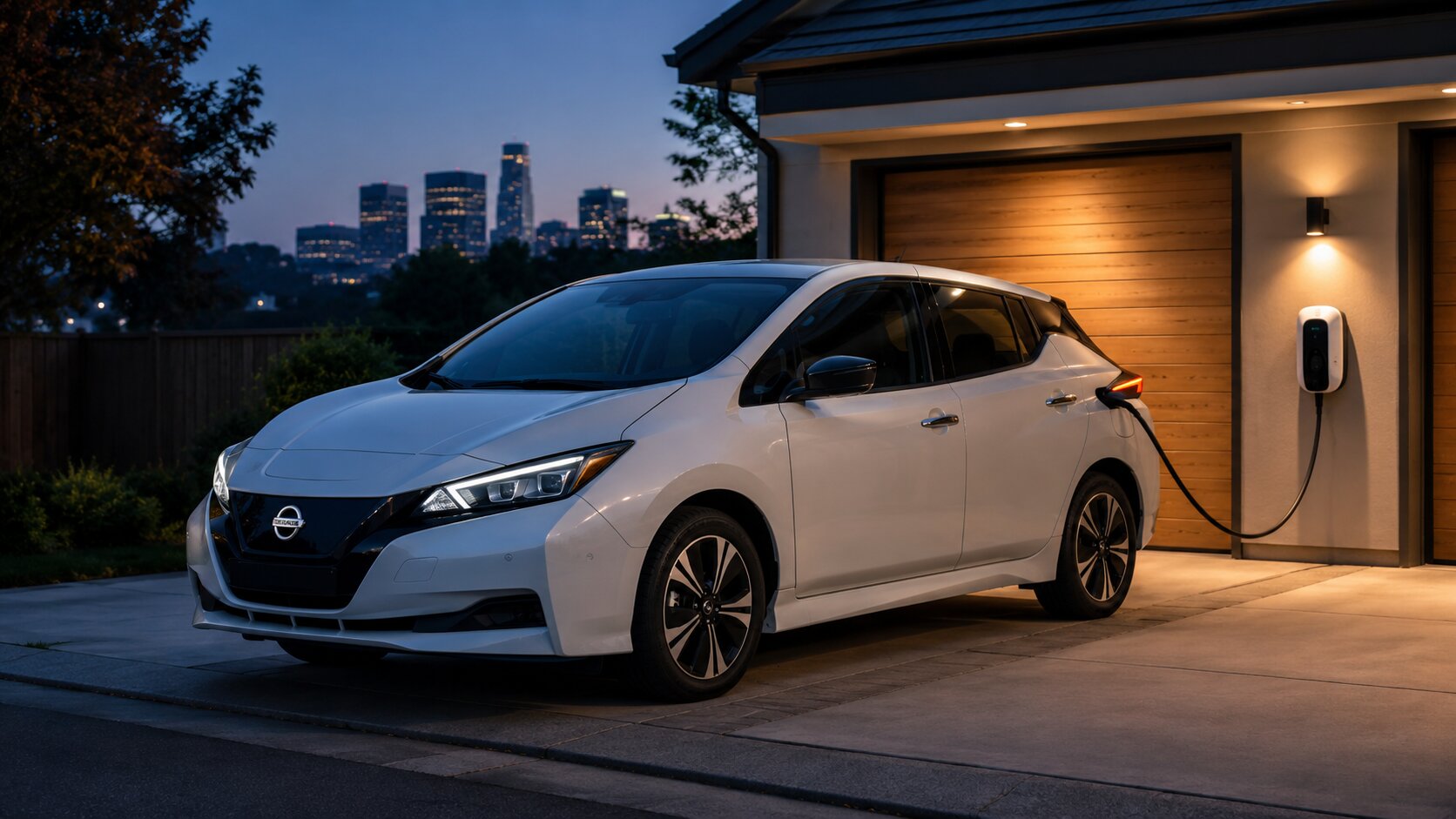
The home charging reality check: Most three-row EV owners who love their vehicle have one thing in common: they plug in at home on Level 2 several nights per week. That turns charging into something like phone charging instead of gas station trips. If you are relying on public DC fast chargers as your main energy source because you cannot install home charging, consider how often you will actually want to sit for even “only” 24 to 40 minutes with kids in tow. Some families do it fine; others burn out quickly.
A New York note: In dense markets like mine where curbside life is normal and garages cost real money, public infrastructure quality becomes part of your purchase decision. A native NACS port helps because it broadens your options; it does not eliminate lines or broken stations during peak hours.
The driving question: what we can say without pretending we drove it
I have not driven the Ioniq 9 for this review, so I am not going to tell you it rides “firm but compliant” or that steering feel is “surprisingly sporty.” That kind of language belongs in an actual road test.
Main rivals and how the Ioniq 9 fits among them
The three-row EV field is still taking shape in the U.S., but shoppers tend to cross-shop within a short list depending on budget and brand comfort level.
Kia EV9:This is the obvious internal rival because Kia got there early with a dedicated three-row EV SUV formula. If you are shopping both brands, expect overlap in mission: family-first packaging plus fast-charge capability depending on configuration. The decision often comes down to styling preference, dealer experience in your area, seat layout availability when you are ready to buy, and which one better matches your daily charging situation.
Tesla Model X:Tesla plays higher up-market pricing-wise for many buyers once configured similarly; it also brings its own approach to packaging and network integration. The Ioniq 9’s native NACS port narrows one traditional advantage Tesla had for long-distance convenience while keeping Hyundai’s own ecosystem approach intact through CCS compatibility via adapter.
Mainstream three-row gas SUVs:This is still where most families land because fueling takes five minutes everywhere and purchase prices can be lower depending on incentives. The Ioniq 9 has to win by making daily driving cheaper or easier through home charging convenience and by delivering enough interior usefulness that buyers stop worrying about “EV compromise.” Whether it does depends heavily on whether you have predictable access to home Level 2 charging.
Tech and safety: what’s confirmed
If safety ratings influence your shopping short list (they should), IIHS gives shoppers something concrete right now: TOP SAFETY PICK+.
NHTSA data supports saying only this at the moment: the Ioniq 9 appears on NHTSA’s list of vehicles selected for MY2026 testing. Any overall star rating claim needs verification directly from NHTSA’s live ratings page when it posts for this exact model configuration.
The pros and cons that actually matter day-to-day
- A true three-row EV offering from Hyundai with published U.S.-market specs and pricing starting at $58,955.
- EPA-estimated range up to 335 miles depending on trim (Hyundai-published figures).
- Native NACS port plus included CCS adapter simplifies charging-network flexibility compared with single-standard setups.
- Published DC fast-charging benchmarks suggest credible road-trip usability if conditions cooperate (Hyundai claims).
- Cargo numbers behind row three are substantial enough to sound practical rather than token: 21.9 cu ft behind third row; 46.7 cu ft with third row folded (Hyundai figures).
- IIHS TOP SAFETY PICK+ status provides an early confidence signal for safety-focused families.
- Three-row EV ownership still hinges on charging access; without reliable home Level 2 charging or dependable nearby fast chargers, convenience drops sharply.
- Third-row usability varies by seating layout; six- versus seven-passenger configurations change car-seat logistics and access enough that you should test your real setup before committing.
- Fast-charge times are published claims under favorable conditions; families who expect every stop to match brochure numbers may be disappointed when weather or station output does not cooperate.
- Early recall documents exist for certain vehicles; shoppers should check VIN status rather than assume broad impact.
The verdict: should you buy one?
If your reader question is basically “Should I buy a 2026 Hyundai Ioniq 9 if I need three rows?”, my answer depends less on brand loyalty than on how disciplined your charging routine can be and how honest you are about third-row usage.
You should buy or strongly consider the Ioniq 9 if:
- You can install Level 2 home charging or have reliable overnight workplace charging. That turns an EV into an appliance. Plug in at night; wake up full enough for school runs all week. That is where EVs feel magical instead of annoying.
- Your third row is used regularly but not always loaded with adults. Hyundai’s cargo figure behind row three suggests family practicality even when all seats are up. That matters more than people think when strollers or sports bags become daily passengers too.
- You take road trips but can tolerate planned stops. Hyundai’s published DC fast-charging times plus NACS compatibility point toward easier long-distance travel than earlier-generation EVs. It will still require some planning. The difference is that planning looks normal now rather than heroic.
You should skip it or pause if:
- You cannot charge at home or work consistently. Public-only charging can work. For many families it becomes one more chore competing with everything else. A hybrid or efficient gas SUV may fit your life better until infrastructure catches up around your neighborhood routes.
- Your third row needs to be adult-comfortable all day long. Without sitting in it yourself (and ideally doing so after installing any car seats), do not assume any midsize-ish three-row SUV will feel like an airport shuttle. Bring real people to your test drive. That sounds obvious. It saves money.
The bigger industry story here is that vehicles like the Ioniq 9 show how quickly family EVs are moving from novelty into normal product planning: competitive EPA range figures published up front, connector strategy aligned with where U.S. infrastructure demand has gone (NACS), credible fast-charge targets for road trips, plus measurable cargo space with all rows in play. If your household logistics align with those strengths, the Ioniq 9 looks like one of the cleaner answers in a segment that has been short on them.

0 comments
Join the discussion around this article.
Please login to comment.