 DriveSense
Why mileage paperwork became a trust signal
When you shop for a used car, recorded mileage feels like table stakes. The listing shows it. The salesperson repeats it. The paperwork asks you to initial it. Somewhere in the back of your mind, you are doing the math on wear and tear, maintenance intervals, and resale value.
That ritual exists for a simple reason: used-car shopping runs on information, and information runs on paper trails. Odometer disclosure is not magic, and it is not fraud-proof. But it became a modern trust signal because it turns a slippery, spoken claim into something checkable, something that can be compared against other documents and inspections.
This matters because the used-car lot has always been a place where stories get told. Some are true. Some are polished until they shine. Odometer disclosure did not eliminate storytelling; it forced one part of the story to be written down in a way that can be challenged later.
A familiar scene: the lot as a culture of promises
Picture the classic American used-car moment. You are standing next to a car that looks clean enough from five feet away. The interior smells like someone tried hard with an air freshener. The salesperson is talking in confident sentences about how the car was “well cared for.” In that moment, you are not only buying transportation. You are buying someone else’s history.
Odometer readings sit right at the intersection of culture and mechanics. Mileage is easy to understand even if you do not know much about cars. More miles generally implies more use. Fewer miles sounds like less risk. That makes mileage irresistible as shorthand in ads, listings, and quick comparisons across similar vehicles.
But shorthand is also where people get burned. When buyers cannot verify much else quickly, they cling to the few numbers that seem objective. That is why mileage became such a big deal in used-car culture, and why disclosure paperwork still matters even when you plan to get an inspection.
What authoritative guidance supports (and what it does not)
The Federal Trade Commission’s consumer guidance on buying used cars emphasizes something that sounds obvious but is easy to forget in the heat of shopping: get key information in writing, read documents before signing, and pay close attention to disclosures that affect what you are actually buying.
The FTC’s Buyers Guide sits at the center of that approach. It is designed to give shoppers clear information about whether a vehicle is being sold “as is” or with a warranty, what major mechanical and electrical systems may be covered, and what promises are actually part of the deal. It also encourages buyers to get an independent inspection and to keep copies of everything they sign or receive.
That framework helps explain why odometer disclosure became a trust signal in practice: it turns a spoken claim into a written one that follows the sale. A number on an odometer is just a number until it is tied to documentation you can keep.
For odometer-specific disclosure requirements and fraud context, federal law also addresses odometer tampering and written mileage disclosures at transfer. For many buyers, this is the backbone behind why mileage gets treated as more than just sales talk.
Limits still apply. This article cannot promise fraud detection or claim that any single document proves vehicle condition. Even strong paperwork does not guarantee a car was maintained well, driven gently, or repaired correctly. It just gives you more leverage to verify and compare.
How disclosure turns “trust me” into “show me”
Used-car trust has always been layered. There is personal trust (do I believe this seller), product trust (does this car feel solid), and process trust (does the paperwork match the story). Odometer disclosure lives in that third layer.
Process trust feels boring compared with paint shine and test drives, but it is where modern car buying has shifted over time: from handshake confidence to documentation confidence. The FTC’s guidance reflects this broader reality by pushing buyers toward written statements, clear warranty terms, and careful review before signing anything.
Once mileage is treated as something that belongs on paper, it becomes easier for buyers to ask better questions without sounding paranoid:
- Does the mileage on the paperwork match what I saw in the cluster?
- Do other documents I can review locally (service records, prior sale documents if available) tell the same story?
- If something feels off, am I willing to walk away before signing?
The paperwork era: why forms matter more than vibes
If you have ever bought a used car from a dealer, you have probably encountered the feeling that the documents never end. Some of that is bureaucracy for its own sake. Some of it exists because disputes happen when memories differ.
The FTC’s Buyers Guide approach is basically an antidote to selective memory: put key terms in writing where both sides can see them. In that environment, odometer disclosure fits naturally as another key term buyers want nailed down early.
This also helps explain why mileage became such a cultural obsession in listings and ads. A number that can be written down becomes easier to market, easier to compare across cars, and easier for shoppers to filter online. Even if two vehicles look similar in photos, mileage becomes an instant sorting tool.
What recorded mileage can do for you (and what it cannot)
Recorded mileage helps in three practical ways during a modern used-car purchase:
- It anchors negotiation around a specific claim. If mileage is stated clearly in paperwork you receive and keep, you have something concrete rather than a vague impression from an ad or conversation.
- It supports consistency checks. You are not trying to play detective; you are trying to see whether documents agree with each other. A mismatch does not automatically prove wrongdoing or mechanical problems, but it does justify slowing down and asking for clarification before signing anything.
- It shapes maintenance expectations. Mileage alone does not tell you what maintenance was done or skipped, but it does help you ask timely questions about service intervals and upcoming needs based on age and use pattern.
What mileage cannot do: it cannot guarantee condition, predict reliability by itself, or replace an independent inspection. A low-mile car can still be neglected; a higher-mile car can be carefully maintained. Mileage is context, not destiny.
A practical way to verify mileage without pretending it solves everything
The FTC’s consumer guidance points buyers toward reading disclosures carefully, getting promises in writing, considering an independent inspection when possible, and keeping records. With that mindset, treat odometer information like a useful signal rather than a false comfort:
- Verify what is written down. If any document states mileage or references odometer information as part of disclosures you are signing, read it slowly. Make sure the number matches what you observed in the vehicle at the time of sale.
- Verify what you are actually being sold. The Buyers Guide focuses heavily on warranty status (for example “as is” versus warranty coverage). That matters because even perfect-looking paperwork does not change your responsibilities after purchase if there is no warranty coverage promised in writing.
- Verify locally with an inspection plan. An inspection does not validate past mileage by itself, but it can help you understand whether visible wear seems consistent with the vehicle’s overall story.
- Keep copies of everything. This sounds like boring advice until something goes wrong or confusion shows up later.
A buyer’s checklist you can actually use on the lot
You do not need a clipboard personality to benefit from structure. Here is a simple checklist aligned with FTC-style consumer caution without pretending any one step catches every problem:
- Before you test drive: Ask where the FTC Buyers Guide is and read it closely (especially warranty terms). If something important was promised verbally, ask how it appears in writing.
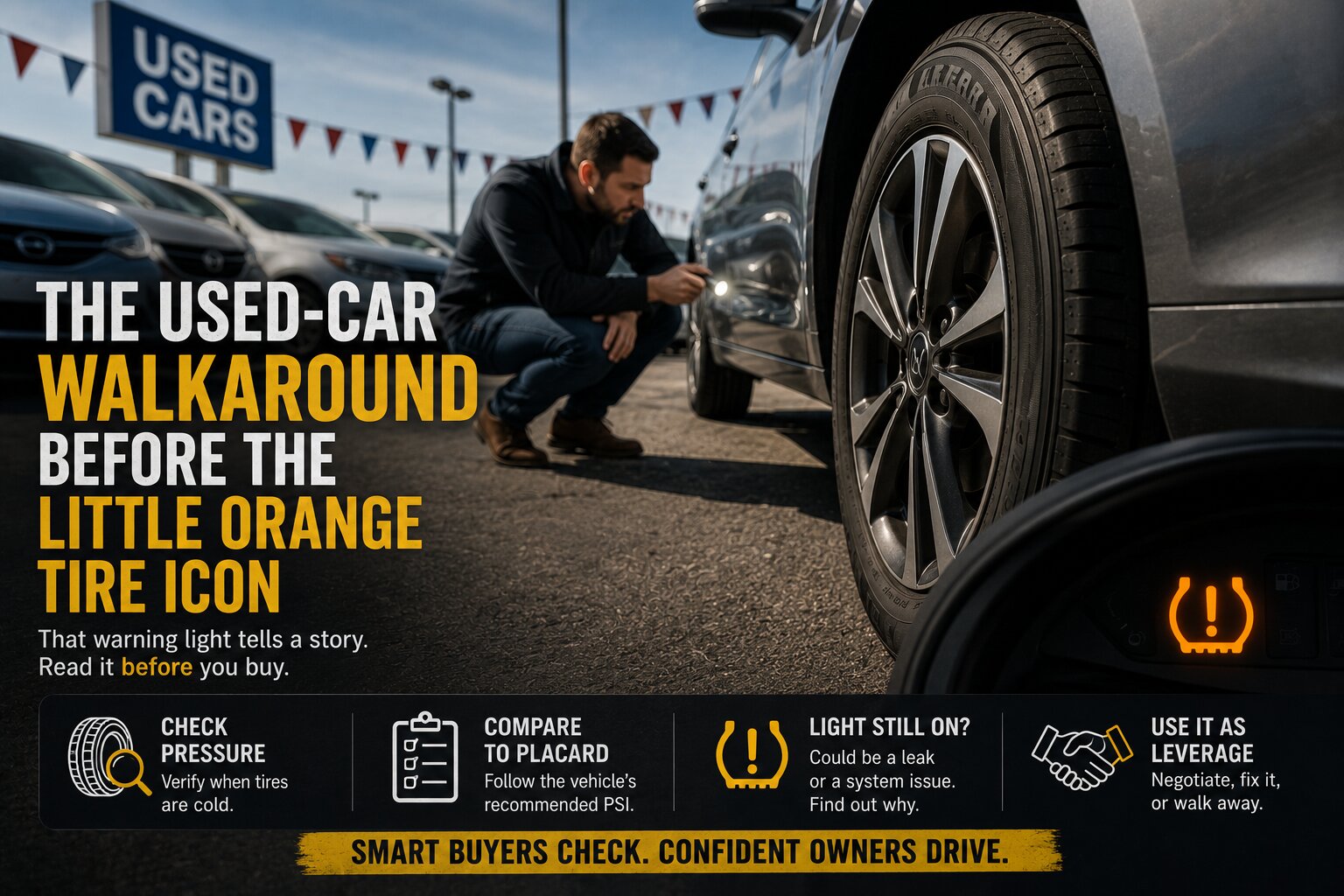
- During your walk-around: Look at the odometer reading yourself so you are not relying on memory later. If photos or listings showed mileage, compare those numbers with what you see now (recognizing listings can be outdated).
- Before money changes hands: Read every document that references disclosures or vehicle information before signing. Confirm any recorded mileage statements match your observation at that moment.
- If anything conflicts: Pause. Ask for clarification in writing where appropriate. If clarity does not come easily, walking away is often cheaper than hoping things work out later.
Mileage as one trust signal among many
Mileage disclosure did not become important in isolation; it grew alongside other buyer-facing signals meant to reduce guesswork and regret. The FTC Buyers Guide exists because shoppers need standardized clarity on warranties and major system coverage at the point of sale.
If you want broader context on how buyer information evolved into something shoppers lean on today, this pairs nicely with our guide to buyer information. The theme stays consistent: when markets get complex, buyers reach for standardized documents because they travel better than sales talk.
No paper trail replaces judgment
This is where experienced shoppers land after enough time around used cars: documents matter because they define what was represented at sale time, but they do not tell you everything about how a vehicle will behave next month.
The FTC’s guidance does not ask consumers to become forensic investigators; it asks them to slow down long enough to understand warranty status, read disclosures carefully, consider independent inspections when possible, and keep records. That approach fits odometer disclosure perfectly. Treat recorded mileage as one important piece of written information among several others that shape risk.
Your next step
If you are shopping now, make your process boring on purpose. Read the Buyers Guide carefully, confirm written disclosures match what you saw on the vehicle, get any promises in writing, and consider an independent inspection before purchase when feasible. Mileage disclosure became a trust signal because it gives structure to an otherwise messy transaction. Use it as structure, not as reassurance.
Keep the conversation going
What would you ask next?
Read the discussion or share your experience.