Wheel size changes: the mod that can make your car feel “off” overnight
I’m Brian O’Connor, based in Chicago, and I’ve spent enough time around suspension drawings and alignment racks to tell you this: swapping wheels is one of the most common “easy” mods that can quietly rewrite how your car drives. You bolt on a new set of wheels and tires, step back to admire the stance, then pull out of the alley and think, why does the steering feel heavier, twitchier, or weirdly numb?
It’s rarely just in your head. Wheel diameter gets all the attention, but width and offset are usually the real puppeteers. They change where the tire contacts the road relative to the steering axis. That alters scrub radius, steering effort, self-centering, and how much the car reacts to bumps and braking forces. Depending on the platform, it can also amplify torque steer on powerful front-wheel-drive cars, or make a rear-wheel-drive car tramline more than you expected.
Let’s break down what’s actually happening, why it happens, and how to make smarter choices so your “new wheels day” doesn’t turn into “why did I do this?” week.
Verified basics: what we know for sure (and what varies by model)
Some facts are universal across modern passenger cars and light trucks:
Wheel diameter (17-inch vs 19-inch) changes sidewall height if overall tire diameter stays similar. Less sidewall usually means sharper response and a firmer ride.
Wheel width (8.0 vs 9.5 inches) affects tire shape and where the tire sits relative to suspension components. It can increase grip potential when paired with an appropriate tire size, but it also increases sensitivity to alignment and road crown.
Offset is the distance between the wheel’s mounting face and its centerline. Positive offset pushes the wheel inward toward the suspension. Less positive offset (or negative offset) pushes it outward toward the fender.
Backspacing is related but measured differently (common in truck circles). It tells you how much room you have on the inside for brakes, knuckles, control arms, and struts.
Scrub radius is a steering geometry concept tied to where the tire contact patch sits relative to the steering axis at the ground. Changing offset changes scrub radius even if nothing else moves.
What varies by model is everything else: factory scrub radius target, steering assist tuning (hydraulic vs electric), bushing compliance, wheel bearing sizing, brake package clearance needs, and how much fender room you really have at full bump and full lock. Competitors in this space are not “other cars” so much as other common choices enthusiasts cross-shop when they buy wheels: OEM take-offs from higher trims (like performance packages), reputable aftermarket brands that publish load ratings, and cheap replicas that often do not.
I’m not going to invent a specific vehicle spec sheet here because wheel fitment is platform-specific. The right answer for a Subaru WRX is not automatically right for a BMW 3 Series or a half-ton pickup. The physics are shared; the tolerances are not.
The moment things go sideways: offset math in plain English
Offset is measured in millimeters. A wheel labeled +45 means its mounting face sits 45 mm outward from the wheel centerline (so the wheel tucks inward). If you go from +45 to +35 on the same width wheel, you pushed the wheel 10 mm outward.
Now add width changes. Wheel width is measured bead seat to bead seat (not outer lip). If you go wider by 1 inch (25.4 mm) and keep the same offset number, half of that added width goes inward and half goes outward. So even without changing offset, a wider wheel often eats inner clearance.
This is where people get surprised. They buy “flush fitment” wheels with less positive offset and more width because it looks right in photos. Then they discover their inner clearance got worse anyway because width increased too.
If you only remember one practical rule: the inner barrel clearance is usually what bites first. Struts, control arms, and sway bar links do not care how good your stance looks.
Scrub radius: why steering effort changes instantly
Scrub radius sounds like something you only worry about on a race car setup sheet, but it shows up in daily driving immediately.
The steering axis on most modern cars is defined by a line through suspension pivot points (think strut top mount down through a ball joint area). Where that line hits the ground relative to the center of your tire contact patch determines scrub radius.
If you push the wheels outward with less positive offset, you usually increase positive scrub radius (exact direction depends on suspension design). More scrub radius tends to do a few things most drivers notice:
Heavier steering at low speeds. The tire contact patch has more leverage against your steering system. Electric power steering can mask this until it hits its assist limits, then it feels abruptly heavy during parking maneuvers.
More kickback over bumps. Hit a pothole edge with one front tire and you can feel it tug at the wheel more than before.
More sensitivity under braking. Differences in left-right traction can steer the car slightly when scrub radius grows. On uneven pavement or when one side hits paint stripes or steel plates (hello Chicago roadwork), you may feel more dartiness.
This is also why some cars feel like they developed “tramlining” overnight after a wheel change. Wider tires contribute too because they follow grooves more readily, but geometry changes are often part of that story.
Offset vs stability: why straight-line tracking can get worse even if grip improves
A lot of enthusiasts assume pushing wheels outward automatically makes a car more stable because track width increases. There’s some truth there. A wider track can reduce lateral load transfer slightly in cornering, which can help grip at the limit depending on many other factors.
But in typical daily use, stability is about more than track width. It’s also about how calm the steering system stays when it encounters disturbances:
Road crown and ruts: More scrub radius plus wider tires can make the car hunt along grooves instead of tracking straight.
Bushing compliance: Many modern cars use rubber bushings designed around factory wheel loads. Change leverage at the hub and those bushings deflect differently under braking and cornering loads.
Alignment sensitivity: Toe settings that felt fine on stock wheels might feel nervous with a different setup because small toe changes have bigger perceived effects when steering feedback increases.
I’ve watched people chase this with parts swaps when an alignment check would have saved them weeks of annoyance.
Bump steer feel: sometimes it’s not bump steer, but it sure feels like it
Bump steer has a specific definition: toe change as suspension moves through bump and droop due to tie rod geometry relative to control arms. Wheel offset does not literally move your tie rod pickup points. So no, changing wheels does not magically redesign your steering linkage.
But here’s where real life gets messy: increasing scrub radius makes impacts at the contact patch translate into more torque at the steering wheel. The result can mimic bump steer because every sharp edge or mid-corner bump now nudges your hands more aggressively. Drivers describe it as “the car steers itself over bumps,” even if toe change is not actually larger than before.
If you did lower springs or coilovers at the same time as wheels, then yes, actual bump steer can enter the chat because ride height changes alter tie rod angles. That combo is common in tuning culture and it’s also where people get into trouble fast without measuring anything.
A realistic tuning story: how this usually plays out in the real world
This is a pattern I see constantly around Chicago meets and shops from Pilsen up to Skokie: someone buys wheels first because it’s visible progress. The factory setup might be something like an 18x8 with a moderate positive offset (exact numbers vary widely by model). The new setup becomes an 18x9 or 19x9.5 with less positive offset for a “flush” look.
The install goes smoothly until full-lock turns reveal a faint rub on an inner liner or a plastic tab that never mattered before. Or worse, there’s contact near a strut body because inner clearance got eaten up by width increase even though the wheels are sitting farther out overall.
The first drive brings mixed emotions. There’s genuine satisfaction when turn-in feels quicker thanks to stiffer sidewalls or stickier rubber. Then comes mild frustration when parking effort goes up and expansion joints start talking back through the steering wheel like they suddenly have opinions about your build thread.
The owner starts wondering if something is loose because kickback feels like play in a tie rod end. Usually nothing is loose; it’s leverage and geometry doing what physics does best: not caring about your aesthetic goals.
Tires matter as much as wheels (sometimes more)
A wheel swap almost always includes tire changes, even if people don’t frame it that way. Tire construction differences can overwhelm geometry effects:
Tread width and section width: A wider tire generally increases tramlining tendency on grooved pavement.
Sidewall stiffness: Ultra-high-performance summer tires often have stiffer sidewalls than all-seasons in comparable sizes. That improves response but also transmits impacts more directly into steering feel.
Overall diameter: If overall diameter changes significantly from stock, you may affect speedometer accuracy and shift points on some automatics. Many modern cars tolerate small deviations; big ones are asking for headaches.
If someone tells you their new wheels ruined ride quality, I always ask what tire model they chose before I blame diameter alone.
The hidden mechanical costs: bearings, studs, and why load rating isn’t optional
Pushing wheels outward increases leverage on hubs and wheel bearings because loads act farther from bearing centerlines. Does that mean every aggressive offset will instantly destroy bearings? No. But it does mean you’re moving away from what engineers validated for durability targets over potholes, curb strikes, salt-season corrosion cycles, and years of heat soak near brakes.
This matters even more on heavier vehicles like trucks and SUVs running larger tires where unsprung mass climbs quickly.
A separate issue is wheel load rating. Reputable manufacturers publish ratings; some bargain wheels do not clearly document them or rely on vague claims. If you drive something heavy or carry passengers frequently, don’t gamble here.
Clearance checks that actually prevent problems
If you’re changing wheel size or offset, do these checks before you commit:
Brake clearance: Caliper-to-barrel clearance can be tight on performance trims with larger brakes (common on sport sedans and pony cars). Templates from brake kit manufacturers help; many OEMs also have known fitment constraints documented by owners’ forums using verified measurements.
Inner clearance at full lock: Turn lock-to-lock with weight on the suspension if possible (car on ramps or ground). Watch strut bodies, control arms, sway bar links, and liners.
Outer clearance at compression: Fender rub often shows up under load with passengers or mid-corner bumps rather than in your driveway test.
Lug hardware compatibility: Seat type matters (conical vs ball seat). Thread engagement matters too. If you add spacers or change wheel thickness at the mounting pad area, confirm you still have safe engagement on studs or bolts per manufacturer guidance for your vehicle.
Alignment: where most “wrong” steering feelings get fixed
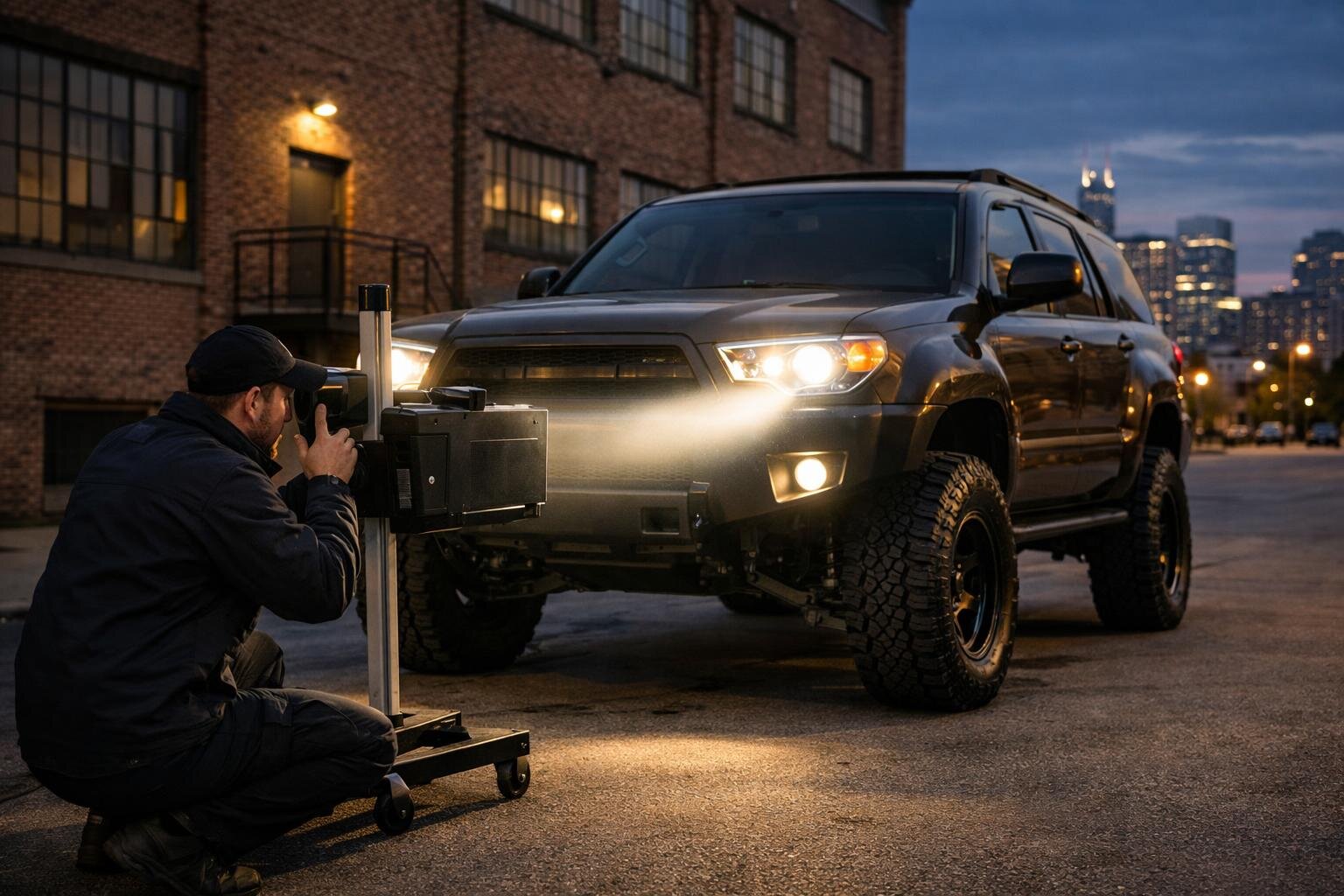
I’m biased here because of my engineering background: I trust measurements more than vibes. After any meaningful wheel change in width or offset (and definitely after lowering), an alignment check is cheap insurance compared to burning through tires or fighting sketchy highway tracking in winter slush ruts.
A few general truths without pretending there’s one magic setting:
Tire wear complaints often trace back to toe. Small toe errors chew tires quickly regardless of camber debates online.
More grip exposes bad alignment faster. Stickier tires generate higher forces; they will happily eat shoulders if settings are off.
Your steering wheel being off-center is not just annoying. It can be a sign something changed enough that recalibration or proper centering matters for modern driver assistance systems (varies by vehicle).
Sensible safety notes from someone who likes mods but likes functioning cars more
A few non-negotiables:
Torque lug nuts properly, using a torque wrench and correct spec for your vehicle (check your owner’s manual or service information). Re-torque after some miles if recommended by your wheel manufacturer or shop practice.
Avoid sketchy spacer stacks. If spacers are needed for clearance or caliper fitment, use high-quality hub-centric spacers designed for your application with appropriate extended studs or bolts where required. If you’re unsure what that means for your car, pay a reputable shop for guidance instead of guessing in your garage.
Don’t ignore rubbing. A little liner rub might sound harmless until it wears through something important or slices a tire shoulder under compression at speed.
The takeaway I give friends before they hit “buy now”
If you want your car to keep feeling like itself after new wheels while still looking better and potentially gaining performance, aim for modest changes first: keep overall tire diameter close to stock; avoid huge offset swings; verify load ratings; confirm brake clearance; plan an alignment budget line item from day one.
The honest truth is that some builds chase a specific feel that includes heavier steering and sharper feedback. That can be enjoyable if you know what you’re signing up for. What stings is when someone expected only better looks and ended up with a car that feels nervous over Chicago’s broken pavement every single commute.
The good news is most “steering feels wrong overnight” stories are fixable with smarter fitment choices or small course corrections like dialing back offset changes, choosing a different tire model with less tramlining tendency, correcting alignment settings, or simply returning to an OEM-like geometry target while keeping the style upgrade intact.
0 comments
Join the discussion around this article.
Please login to comment.