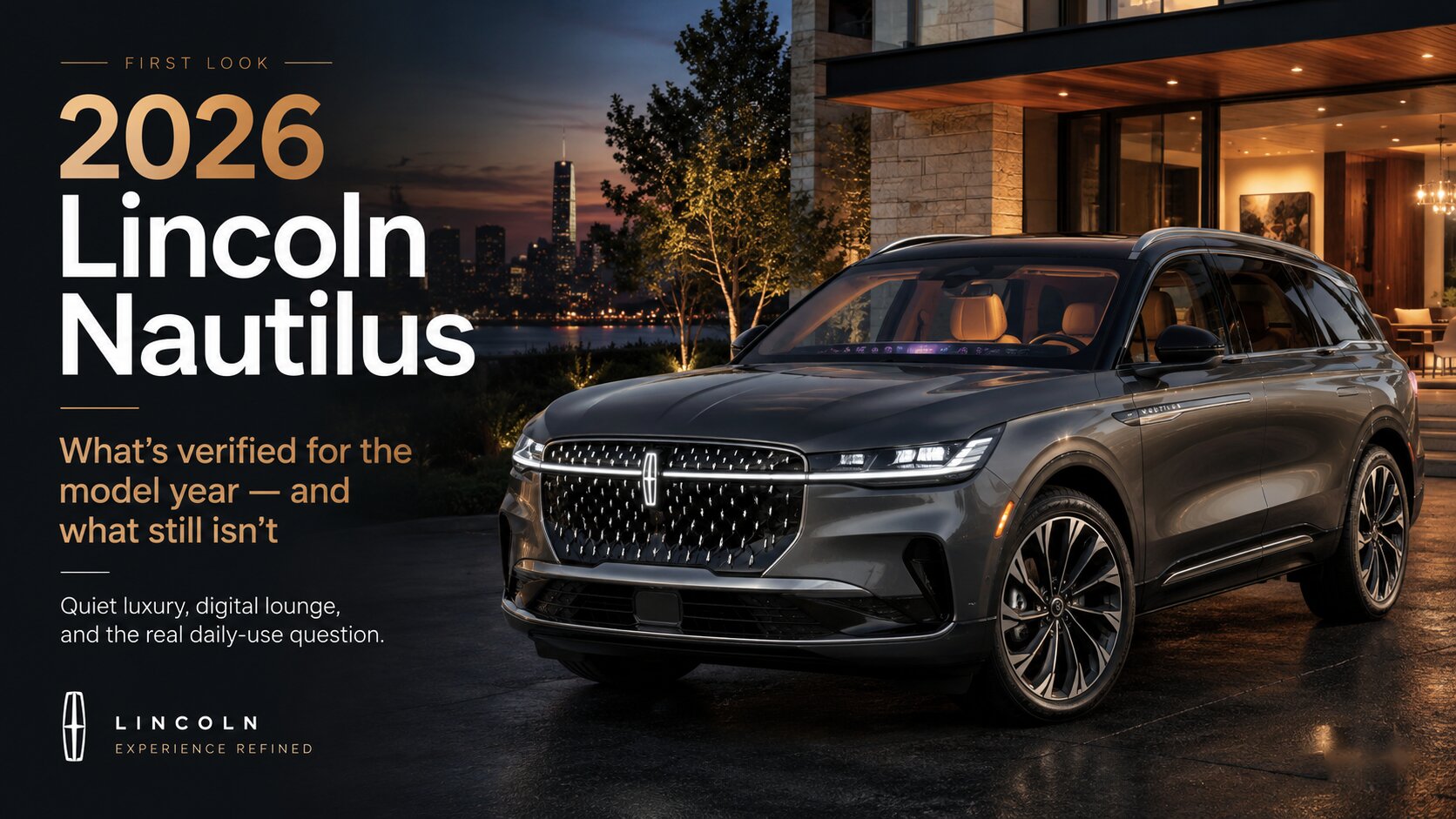
What’s verified for the 2026 model year, and what still isn’t
Lincoln’s Nautilus entered a new generation for the 2024 model year, and it arrived with a very specific thesis: make the cabin feel less like a cockpit and more like a lounge. That basic product direction is well established, and it carries into the 2026 Lincoln Nautilus as it continues in the same generation for the U.S. market.
What is not broadly, reliably confirmed in public sources at this moment is a full set of 2026-specific changes, trim walk details, or any revised powertrain output beyond what Lincoln has already published for this generation. Automakers often roll small equipment changes or packaging adjustments into a new model year without a dramatic press push. Because of that, this review leans on widely reported, manufacturer-published specifications for the current-generation Nautilus and calls out where 2026-only information is not clearly documented.
In other words, the heart of the Nautilus story for 2026 remains the same: a two-row midsize luxury crossover with an unusually screen-forward dashboard and an interior designed to feel calm, soft, and residential. The question worth asking is whether that living-room approach genuinely improves daily use or whether it occasionally competes with the fundamentals of driving.
The Nautilus in the luxury landscape
The Nautilus sits in a competitive slice of the market that rewards quiet competence as much as showroom sparkle. In size and mission it overlaps with vehicles such as the Lexus RX, Acura MDX (though Acura offers three rows), Cadillac XT5 (and to some extent the larger XT6), Volvo XC60, and mainstream-adjacent premium entries like the Genesis GV70. German alternatives include the BMW X3 and Mercedes-Benz GLC, though both lean more overtly sporty in their brand posture.
Lincoln’s strategy here is not to out-handle a BMW or out-badge a Mercedes-Benz. It is to create an environment that feels expensive in a softer way: fewer hard edges, more atmospheric lighting, more emphasis on serenity than on lap times. If that sounds like marketing, spend five minutes in a well-optioned Nautilus and you understand why Lincoln keeps pushing this angle. The cabin is the product.
Powertrains: straightforward turbo gas or hybrid efficiency
Based on published specifications for this generation, the Nautilus offers two primary powertrain paths: a turbocharged 2.0-liter four-cylinder gasoline engine and an available hybrid system built around a 2.0-liter engine.
The standard turbo 2.0-liter is rated at 250 horsepower and 275 lb-ft of torque. A key practical detail is drivetrain availability: front-wheel drive is offered on some trims, while all-wheel drive is available depending on configuration. For many luxury buyers in snow-belt states, that AWD box gets checked early in the shopping process, and Lincoln generally positions AWD as part of higher trim mixes.
The hybrid is rated at 310 horsepower (total system output). Lincoln pairs it with an electronically controlled continuously variable transmission (eCVT), typical for this kind of hybrid architecture. The hybrid comes standard with all-wheel drive. That standard AWD matters because it makes the hybrid feel less like an efficiency special and more like a complete premium configuration.
Lincoln also publishes fuel economy figures by drivetrain and trim; however, exact EPA ratings can vary by configuration and model year updates. If you are cross-shopping based on mpg alone, confirm the specific EPA label for the exact 2026 vehicle you are considering.
Towing capacity is another area where buyers often want clear answers. For this generation Nautilus, Lincoln has published towing limits that depend on powertrain and equipment; verify your intended configuration with Lincoln’s official towing guide or the window sticker because towing packages and ratings can be sensitive to drivetrain choices.
The “living room” thesis starts at the dashboard
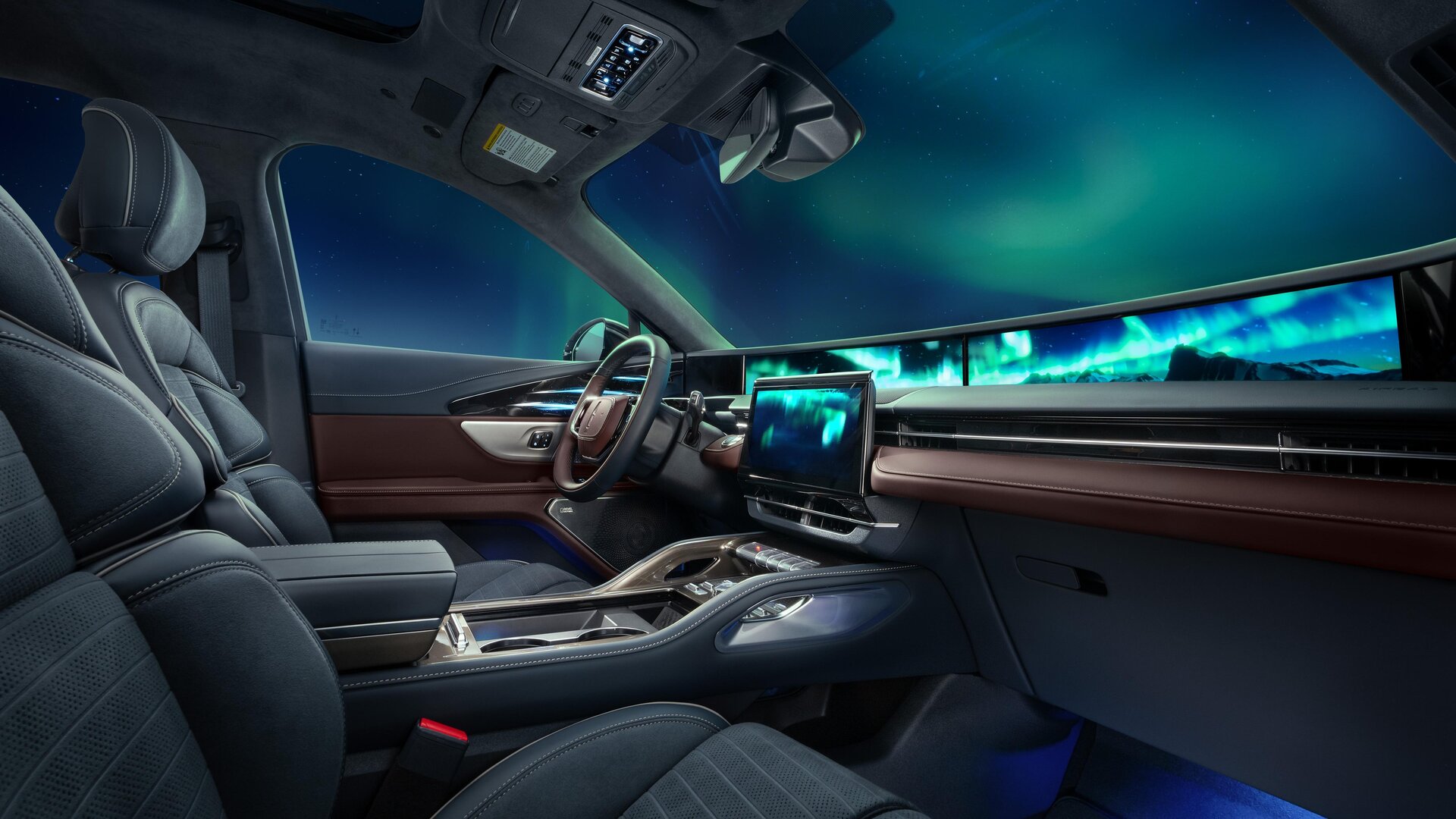
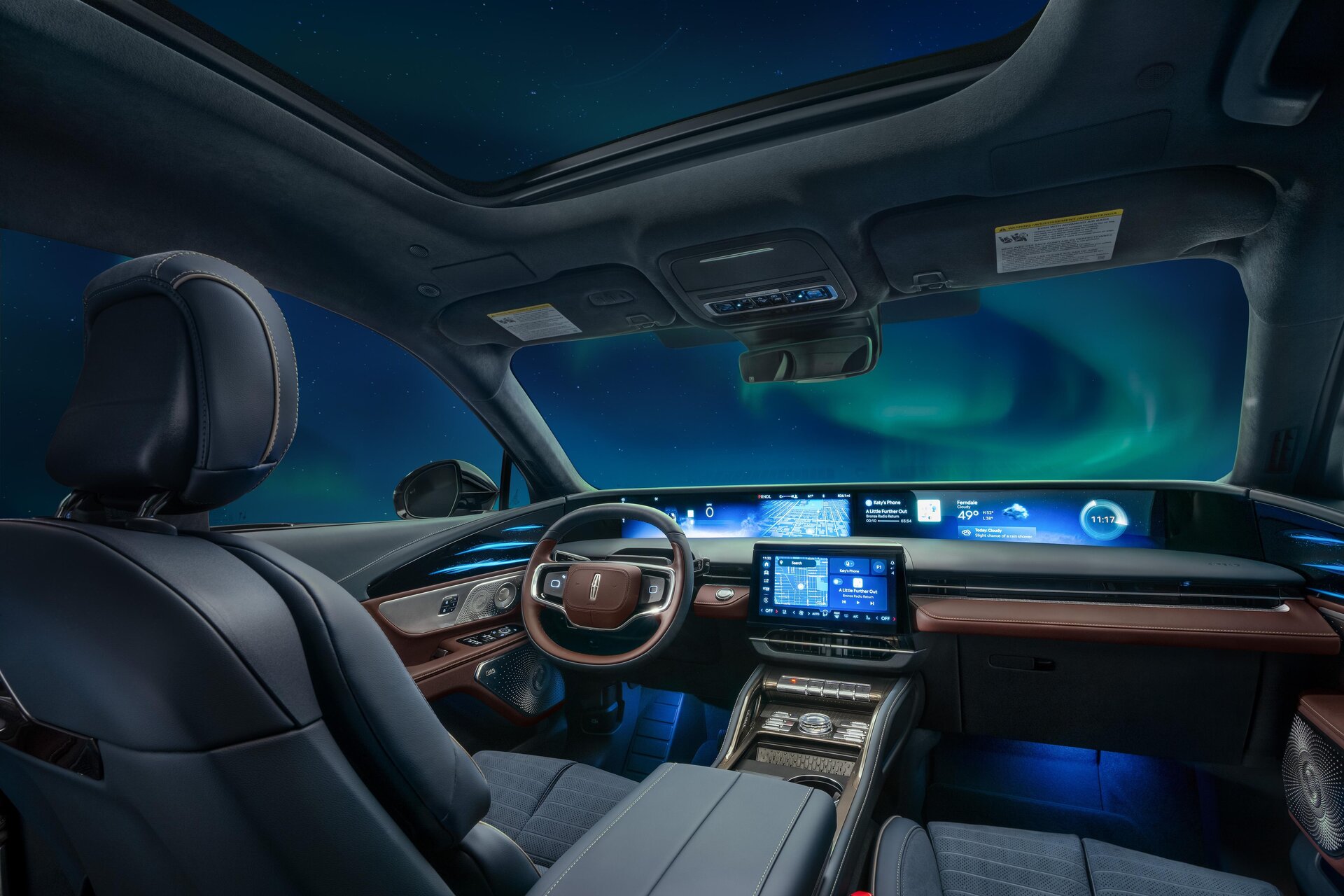
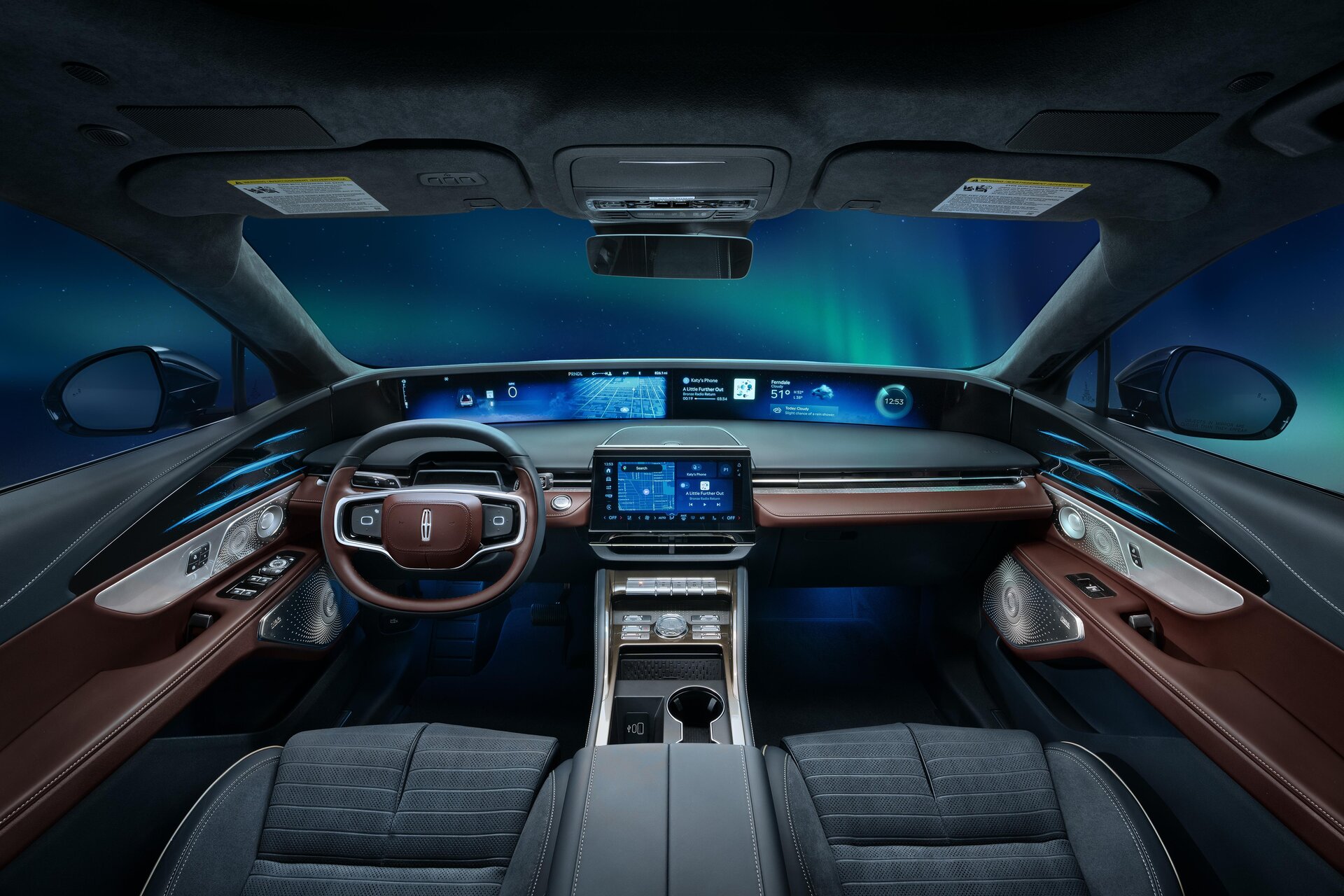
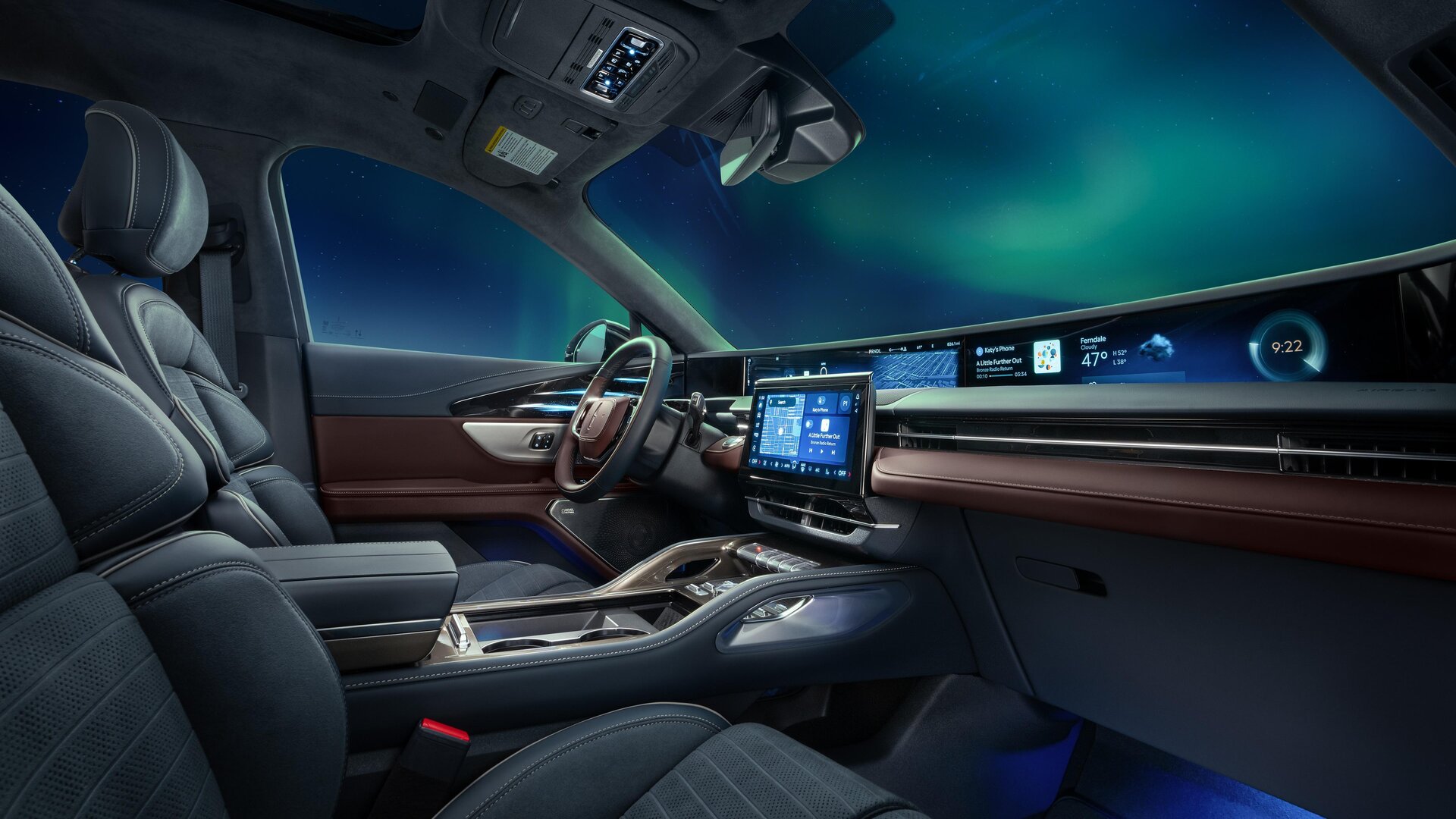
The defining design move inside the Nautilus is its expansive display layout spanning much of the dashboard. Lincoln calls this a panoramic display concept for this generation, pairing a wide screen across the dash with a central touchscreen below for primary interactions.
There are two ways to read this design choice. The first is as an elegant reduction of clutter: fewer separate pods and less visual noise, with information presented cleanly across a broad horizon line. The second is as an attention-management challenge: more pixels always risk becoming more temptation.
In typical daily use, what matters most is how quickly you can do ordinary tasks without thinking about them. Climate adjustments, audio volume changes, seat heat or ventilation toggles (depending on trim), navigation prompts, phone pairing, driver-assistance settings. A luxury cabin should make those actions feel almost subconscious.
Lincoln’s screen-forward approach can feel strikingly modern at night when ambient lighting softens edges and turns the cabin into something closer to an upscale hotel lobby than an SUV interior. During bright daytime driving, reflections and finger smudges become more noticeable realities of ownership. This is not unique to Lincoln; it is simply how glossy displays behave across the segment.
Seating comfort: where Lincoln tends to earn its keep
If there is one reason many buyers still give Lincoln a serious look in a crowded field, it is seating comfort and overall ease. Lincoln has long prioritized chairs that feel designed for long-distance calm rather than aggressive bolstering.
Depending on trim and options, Nautilus offers upscale seating materials and multi-adjustable front seats. The brand’s best interiors tend to focus on softness without losing support. That balance matters more than it sounds: overly plush seats can fatigue you because they lack structure; overly firm seats can feel “sporty” for ten minutes but become tiresome over hours.
Second-row comfort is also central to the Nautilus mission because it remains a two-row crossover in a world where many families default to three rows “just in case.” In practice, plenty of households rarely use third rows even when they own them. A well-shaped second row with good legroom and agreeable seatback angles can be more valuable than an occasional-use third row that steals cargo space every day.
If you routinely carry adults in back seats or you care about rear passenger experience as part of your luxury equation, bring those passengers along when you shop. Seat comfort is personal; no specification sheet can tell you how your shoulders will feel after an hour.
Ride calm and noise control: luxury shows up between stoplights
A living-room cabin concept only works if the chassis does its part. Luxury crossovers live in traffic, school zones, freeway merges, broken pavement near construction zones, and pothole seasons that never seem to end. The most impressive luxury vehicles are not those that feel “fast,” but those that make everyday motion feel unbothered.
The current-generation Nautilus has been positioned around quietness and ride composure rather than sharp-edged athleticism. Buyers coming from sport-leaning competitors may find Lincoln’s tuning less eager to communicate every road texture through the steering wheel. That may be exactly what you want if your priority is calm rather than feedback.
This is also where tire choice can quietly reshape your impression of any premium crossover. Larger wheels often look better on dealer lots but can transmit more impact harshness over rough pavement. If your daily routes include cratered city streets or expansion joints that never quite line up, consider whether fashion-forward wheel sizes are worth giving up some ride pliancy.
Hybrid character: smoothness first, then savings
On paper, the hybrid’s higher total system output suggests stronger response than the base turbo four-cylinder. In real-world driving across most hybrids of this type, what many drivers notice first is not raw speed but smoothness around town: electric assistance filling gaps at low speeds and during gentle acceleration.
The tradeoff is that eCVT behavior can feel different from stepped automatic transmissions during hard acceleration. Some drivers interpret that steady rise in engine speed as less “luxury” even if actual progress down the road is perfectly adequate. Whether this bothers you depends on your sensitivity to powertrain character.
If your Nautilus life will be mostly suburban errands with frequent stops or urban commuting with slow traffic patterns, hybrids tend to show their strengths there. If you spend most days cruising at steady highway speeds with few stops, fuel savings may be less dramatic than you expect (though still potentially meaningful depending on your baseline).
Technology ergonomics: impressive visuals, real-world questions
The Nautilus makes an immediate impression because it looks like tomorrow inside today’s crossover footprint. The challenge for any high-screen interior is building muscle memory so drivers do not hunt through menus for basic functions.
Lincoln’s approach includes steering wheel controls and familiar shortcuts through its interface design (exact layouts can change with software updates). Still, any buyer considering this vehicle should spend time in one while parked at the dealership: pair your phone, set navigation to a familiar destination, adjust climate settings quickly without looking down too long, and try common tasks such as switching audio sources or changing driver-assistance preferences.
This segment includes rivals that take different philosophies:
Lexus often favors ease-of-use consistency over visual drama; its latest systems have improved significantly compared with older Lexus interfaces.
BMW tends to offer deep configurability but can require acclimation due to layered menus.
Mercedes-Benz frequently prioritizes spectacle in presentation; it can be stunning but sometimes invites distraction if you are not disciplined about interaction while driving.
The Nautilus lands closer to the spectacle end of that spectrum visually while trying to preserve calm through design themes and color palettes rather than through minimalism alone.
Craftsmanship and materials: where ambience becomes value
Luxury buyers often talk about “materials” as if they are purely tactile facts: leather quality here, wood grain there. In practice it is also about coherence. Do surfaces match in tone? Do seams align? Does every touchpoint feel intentional?
The Nautilus aims for what might be called American contemporary luxury: warmer tones available depending on interior selection, softer forms across major panels, and an emphasis on making occupants feel cocooned rather than perched inside something technical.
This plays well against some rivals that still lean heavily on black interiors with brushed metal accents as their default expression of “premium.” There is nothing wrong with that aesthetic; it simply communicates a different mood. Lincoln’s best cabins feel like they were designed by someone who cares about how people actually relax in spaces rather than how they pose next to them.
Cargo space and daily practicality
Nautilus practicality follows typical midsize two-row crossover logic: enough cargo room for airport runs and big-box shopping trips without pushing into full-size territory where parking becomes more annoying than luxurious.
Exact cargo volume figures depend on measurement method (behind second row versus maximum) and model-year documentation; consult official specs for your exact build if cargo numbers are central to your decision. More important than raw liters or cubic feet is usability: load-floor height, sidewall intrusions near wheel wells, underfloor storage availability (which can differ between gas and hybrid layouts), grocery-hook placement, and whether rear seatbacks fold easily from convenient levers.
If you are comparing against something like an Acura MDX or Volvo XC90 purely for family hauling flexibility, remember those vehicles bring third-row capability into play at the cost of second-row lounge space or cargo convenience when all seats are up. The Nautilus makes its bet elsewhere: fewer seats, better seats.
Driver assistance: expectations vs execution
Modern luxury ownership comes with an expectation of advanced driver assistance features such as adaptive cruise control and lane-centering assistance (availability varies by trim and packages). Lincoln also offers its BlueCruise hands-free highway driving system on certain models; availability can depend on trim level and subscription terms over time.
This category requires careful reading because hands-free systems are not all equivalent in coverage area or operational limitations. They typically function only on mapped highways under specific conditions; they still require attentive supervision even when hands-free operation is allowed; they may require ongoing service plans after trial periods depending on model year policy.
If BlueCruise availability matters to you specifically for 2026 Nautilus shopping, confirm it on the exact vehicle’s window sticker or build sheet rather than assuming it based solely on prior-year trims or online summaries.
How it stacks up against key rivals
Versus Lexus RX: The RX remains one of America’s default luxury crossover choices because it blends comfort with strong resale reputation perceptions and generally straightforward ownership expectations. The Nautilus counters with bolder interior presentation and a distinct lounge aesthetic that feels less conservative than many RX configurations. If your idea of luxury includes visual drama inside without resorting to aggressive sport cues outside, Lincoln makes a persuasive case.
Versus BMW X3 and Mercedes-Benz GLC: These Germans typically offer sharper responses and stronger brand pull for buyers who want prestige signaling along with performance polish (powertrain choices vary widely by trim). The Nautilus does not chase their athletic edge; instead it tries to win you over during long commutes when you want quietness more than cornering bite. If you expect taut steering feel as part of “premium,” Lincoln may read as too relaxed.
Versus Volvo XC60: Volvo leans into Scandinavian restraint with strong seats and a safety-first aura. The Nautilus feels more theatrical inside thanks to its panoramic display concept and richer atmosphere options depending on trim selection. Volvo’s interface approach has evolved quickly in recent years; either brand rewards shoppers who spend time learning controls before deciding which philosophy feels more natural day-to-day.
Versus Genesis GV70: Genesis often impresses shoppers with design ambition per dollar spent (pricing varies by year). The GV70 can feel more driver-focused in layout; Lincoln feels more passenger-lounge oriented in mood. If value perception drives your purchase heavily alongside luxury ambiance, Genesis remains hard to ignore in this segment even if its dealer footprint differs from legacy brands in some areas.
The ownership reality check: pricing pressure and dealer-lot truth
MSRP positioning for Nautilus varies by trim level and options; confirm current pricing directly from Lincoln because year-to-year adjustments are common across all manufacturers due to inflationary pressures and equipment changes.
The real-world shopping experience also hinges on inventory mix. Dealers tend to stock popular colors (often grayscale) and option combinations they believe will move quickly. If you want a particular interior theme or higher-end option set that best expresses Lincoln’s lounge concept, you may need patience or willingness to order rather than settle for what happens to be parked out front under fluorescent lights.
A subtle factor many buyers overlook until late in the process is how technology-heavy interiors age emotionally over several years of ownership. Big screens impress immediately; long-term satisfaction depends on software stability, update cadence, interface clarity when you are tired after work, and whether physical controls remain available for core tasks when gloves are on or when roads are rough enough that precise tapping becomes annoying.
Pros
A genuinely distinctive cabin atmosphere: Among mainstream luxury crossovers sold in America, few commit so fully to turning interior space into mood-driven design rather than just upgraded transportation.
Comfort-first positioning fits real life: For many owners these vehicles spend far more time commuting than carving canyon roads; prioritizing calm makes sense here.
Hybrid availability with standard AWD: Based on published specs for this generation’s hybrid setup (310 hp total system output), it offers an appealing blend of power plus efficiency potential without feeling like a stripped eco-trim.
Cons
The screen-centric layout may not suit every driver: A panoramic display looks sophisticated but can introduce distraction risk if menu structure forces too much interaction while moving.
No third row: This will be decisive for some families regardless of how comfortable the second row feels.
Towing capability depends heavily on configuration: Buyers who tow should verify ratings carefully by exact build rather than relying on general impressions or prior-year summaries.
Verdict: does treating the cabin like a living room help?
The 2026 Lincoln Nautilus succeeds most clearly when judged by its own priorities rather than by someone else’s scorecard. It aims to deliver modern American luxury through atmosphere: soft surfaces where your elbows land, seating designed around ease instead of bravado, lighting themes that make night driving feel calmer than it has any right to be after a long day.
The living-room approach helps when it reduces stress in everyday motion. It helps when passengers immediately relax instead of fidgeting with vents or fighting for armrest space. It helps when silence becomes part of what you paid for rather than just something promised by brochures.
It distracts only if you expect traditional control layouts or if screen interaction becomes too central to routine tasks you want handled instinctively while keeping eyes forward. That will vary by driver tolerance as much as by interface design itself.
If your ideal luxury crossover feels like a quiet room that happens to move quickly enough when asked (especially in hybrid form), Nautilus deserves serious consideration alongside stalwarts like Lexus RX and style-forward alternatives like Genesis GV70. It may not be the enthusiast’s default pick against BMW or Mercedes-Benz entries tuned toward sharper responses, but comfort-oriented buyers rarely regret choosing serenity over swagger once novelty wears off.
Photo: Lincoln / Ford Motor Company

0 comments
Join the discussion around this article.
Please login to comment.