Verified facts up front (and what is not yet confirmed)
The Nissan Rogue is Nissan’s compact, two row crossover SUV for the U.S. market, positioned against high volume rivals like the Toyota RAV4, Honda CR-V, Mazda CX-5 and CX-50, Subaru Forester, Hyundai Tucson, Kia Sportage, Volkswagen Tiguan, Ford Escape, Chevrolet Equinox, and Jeep Compass. The current generation Rogue debuted for the 2021 model year and has carried forward with incremental updates since.
As of my latest widely available, broadly trusted specifications, the Rogue’s core mechanical story in recent model years has centered on a turbocharged 1.5-liter three cylinder engine paired with a continuously variable automatic transmission (CVT), offered in front wheel drive or all wheel drive depending on trim and configuration. Output has been commonly published at 201 horsepower and 225 lb-ft of torque for U.S. Rogues equipped with that engine (figures associated with the VC Turbo three cylinder used in the Rogue). EPA fuel economy varies by drivetrain and trim; recent published ratings have typically landed in the high 20s to mid 30s mpg combined range depending on configuration.
For the 2026 model year specifically, Nissan’s final U.S. spec sheet can vary by timing and trim walk. If any trim content changes, feature packaging adjustments, or powertrain revisions occur for 2026 beyond what has been widely reported for recent Rogues, those details should be verified against Nissan’s official 2026 Rogue press kit or Monroney label. Where this review discusses equipment that can be trim dependent (such as larger infotainment screens, surround view cameras, or advanced driver assistance behavior), it is described in that context rather than asserted as universal across every 2026 Rogue.
2026 Nissan Rogue: a daily life vehicle that rewards consistency
The compact SUV segment is full of vehicles that look competent in a spec chart and feel forgettable by week three. The Rogue’s appeal is different. It is a vehicle that can win you over or irritate you based on small daily habits: how often you parallel park at school pickup, how much you rely on lane centering in highway traffic, whether your cargo tends to be boxes or long awkward items, and how sensitive you are to seat comfort after an hour of commuting.
In typical American use, this class spends more time doing errands than canyon carving. That makes the Rogue’s priorities easier to judge: visibility, camera usability, seat support, ride quality on broken pavement, noise at 70 mph, and whether the driver assistance feels like a calm co pilot or a fussy supervisor. Those are the details that separate an SUV you tolerate from one you choose again.
Design: conservative shape, practical footprint
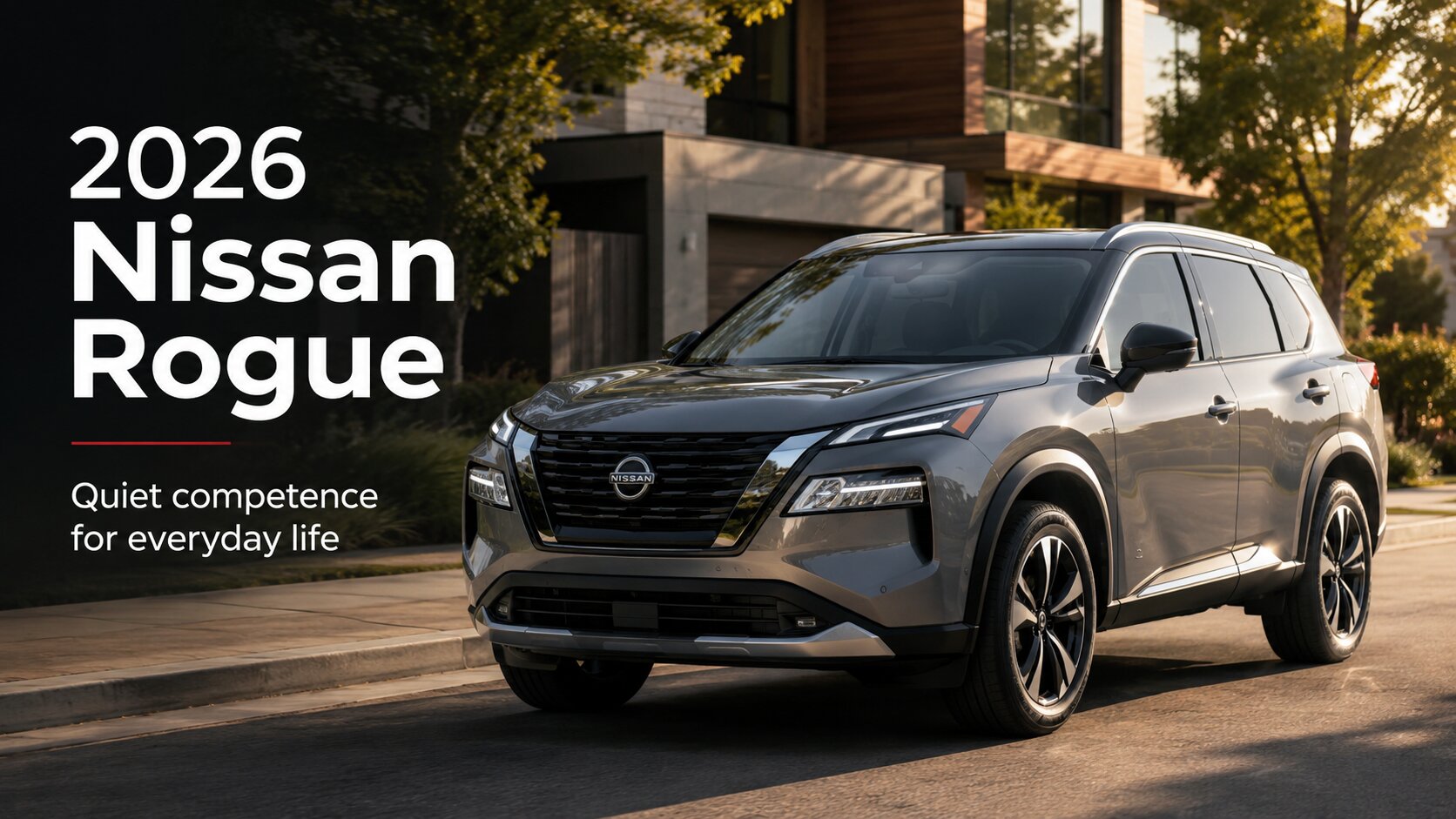
The Rogue’s exterior design reads as modern Nissan without trying to be polarizing. It is not as ruggedly styled as some trims of the RAV4 or Forester. It is also not as intentionally sporty as a CX-5 or CX-50. For many buyers that is a feature rather than a flaw; it blends into parking lots and suburban streets without looking dated.
What matters more than styling flourishes is its footprint. Compact SUVs succeed when they feel easy to place in traffic and easy to thread into tight parking spaces. The Rogue generally plays that game well: it looks substantial enough to satisfy buyers moving up from sedans while staying maneuverable enough for city errands.
Cabin layout and materials: smart where your hands land
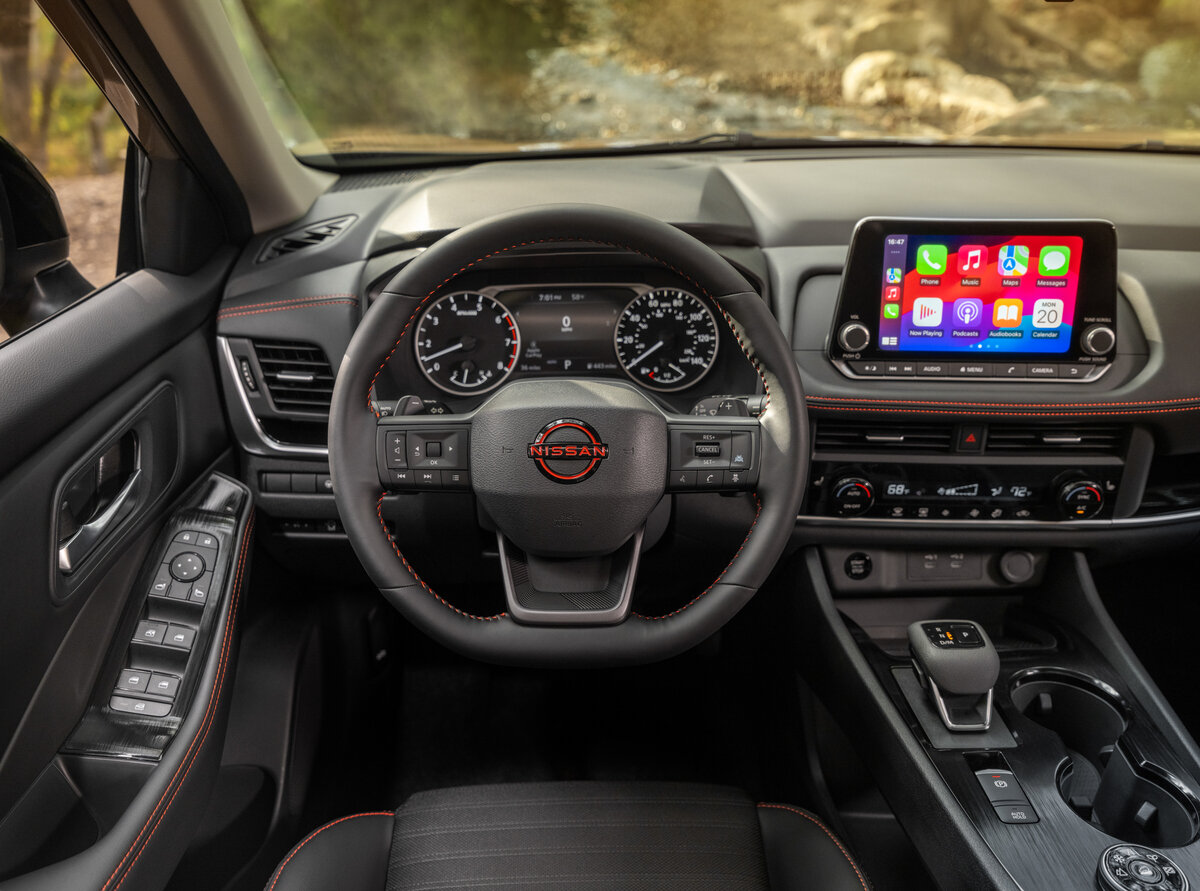
Nissan has spent years emphasizing “Zero Gravity” front seats across its lineup. That marketing phrase can sound like fluff until you spend real time in the chair. In the Rogue’s case, front seat comfort has been one of its enduring strengths in this segment for many drivers. Cushioning tends to be supportive rather than aggressively firm, with a shape that can work well for long commutes depending on body type and trim level adjustments.
Material quality is competitive for a mainstream compact SUV. You will still find hard plastics down low where you expect them in this class, but the touch points that matter most tend to be treated with more care than bargain baseline crossovers from a few years ago. The Honda CR-V often feels clean and airy inside; Mazda’s cabins can feel richer and more driver focused; Toyota tends toward durable simplicity. The Rogue aims for comfort first, with an interior design that tries to feel upscale without being fussy.
Ergonomics are where day to day satisfaction is earned. A classic frustration in modern vehicles is burying simple functions in touch menus. Depending on trim and model year configuration, the Rogue has offered a mix of physical controls and screen based functions. If you are shopping one for real use rather than showroom appeal, it is worth sitting in your target trim and checking how quickly you can do common tasks: adjusting temperature without looking away from traffic, changing audio sources without hunting through submenus, and toggling driver assistance settings when weather turns ugly.
Infotainment and connectivity: good tools still need good execution
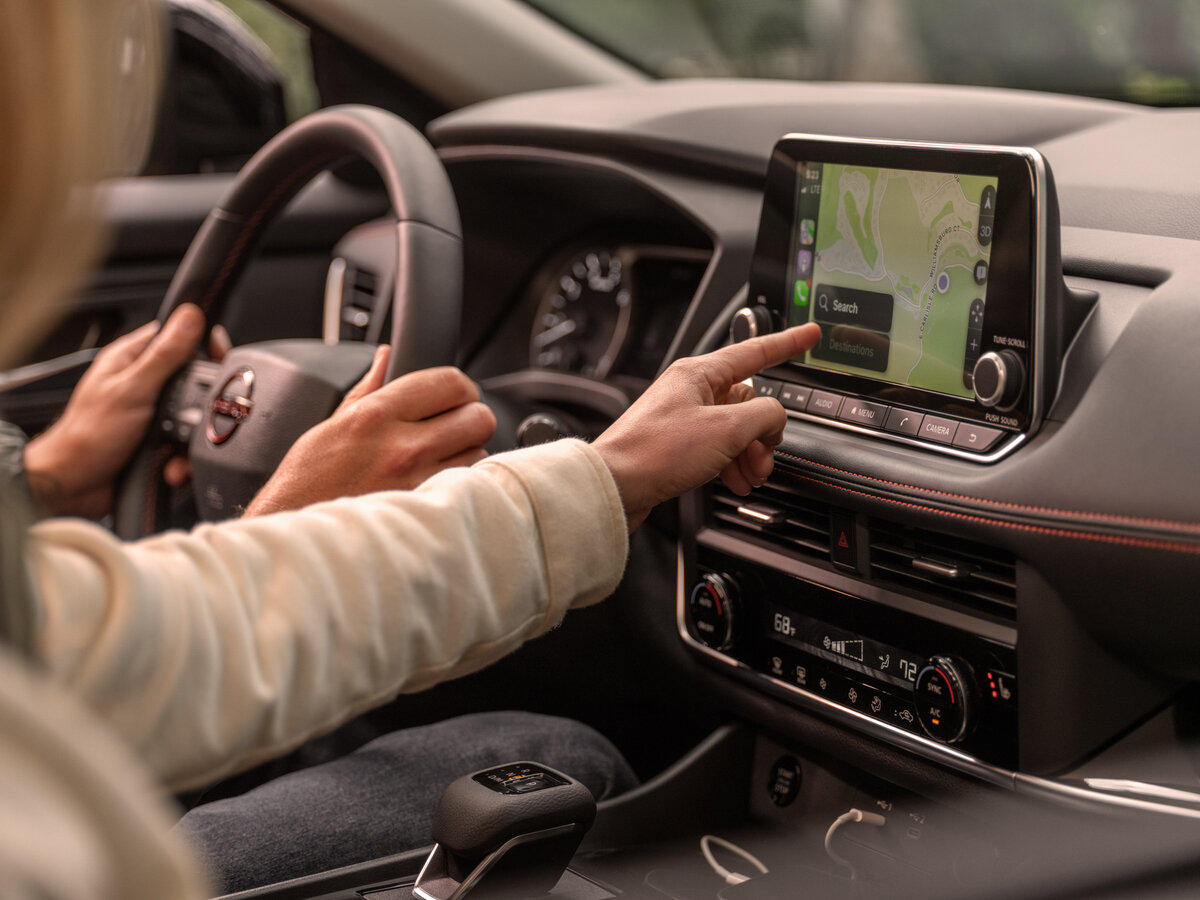
Most compact SUV buyers now expect Apple CarPlay and Android Auto availability as table stakes (often standard or widely available depending on trim). The Rogue has typically met those expectations in recent years; confirm your specific trim because equipment can vary across S, SV, SL, and Platinum style lineups depending on how Nissan packages features for the model year.
The bigger story is usability rather than feature count. Screen size matters less than glare management, menu structure, and responsiveness when you are wearing sunglasses on a bright day or bouncing over potholes while trying to tap a tiny icon. Some rivals have an advantage here: Honda’s recent infotainment direction tends to be straightforward; Toyota has improved dramatically in recent generations; Mazda’s interface philosophy prioritizes rotary control over touchscreen interaction depending on model.
The Rogue sits in the middle of that pack depending on configuration. If you rely heavily on voice commands or smartphone mirroring for navigation and audio, you may find it perfectly agreeable. If you prefer native navigation graphics or frequently adjust settings through the vehicle interface itself, spend time with it before buying. A system can look impressive at night in a dealership lot and feel less friendly after two weeks of real commuting.
Seats and driving position: where the Rogue often earns loyalty
This segment sells on comfort more than most enthusiasts want to admit. A compact SUV is frequently asked to do school drop offs at 8:10 a.m., an hour of stop and go traffic at 5:30 p.m., then another trip out for groceries after dinner. That rhythm exposes weak seats quickly.
The Rogue’s front seating has been widely regarded as supportive for long stints relative to many mainstream competitors. The driving position is upright but not buslike; sightlines are generally good for everyday use. If you are cross shopping with a Mazda CX-5 or CX-50, note that Mazda often gives you a more tucked in cockpit feel with firmer seats; some drivers love that sense of connection while others prefer Nissan’s softer approach.
Rear seat comfort is also important because compact SUVs often carry adults back there more often than owners expect. The Rogue typically offers respectable rear legroom for the class (verify exact measurements by year if this matters), along with rear door openings that make child seats less of a wrestling match than some sleeker competitors.
Cargo shape matters more than raw volume
Cargo volume numbers get quoted constantly because they are easy to compare on paper. What owners notice every day is cargo shape: whether the floor is flat enough for boxes to slide easily; whether wheel well intrusions steal usable width; whether the load height makes it annoying to lift heavy groceries; whether there are hooks or side pockets that keep bags from tipping over.
The Rogue generally competes strongly on practical cargo use for its size class (again confirm exact cubic feet figures by model year). It tends to have a square enough opening for normal errands and weekend luggage runs. Where it can either delight or annoy is in small details like how well cargo covers stow away (if equipped), how secure groceries feel without extra organizers, and how easily you can fold seats down without removing headrests or fighting awkward latches.
If your life involves bulky gear such as strollers, sports equipment, or frequent warehouse club runs with big rectangular boxes, bring one of those items when you shop if possible. A CR-V often feels especially accommodating because of its packaging efficiency; a RAV4 can be very practical but sometimes trades interior openness for rugged styling cues; the Rogue aims at balanced everyday utility rather than maximum industrial capacity.
Powertrain: turbo three cylinder character and CVT reality
On paper, the turbocharged 1.5-liter three cylinder used in recent Rogues looks like an efficient modern answer to emissions regulations while keeping torque accessible for daily driving. Widely published figures have placed it at 201 horsepower and 225 lb-ft of torque when equipped with Nissan’s variable compression turbo technology (VC Turbo). That torque number is meaningful because it suggests strong low end response compared with older naturally aspirated four cylinders common in this segment.
The driving experience depends heavily on calibration because this engine is paired with a CVT rather than a traditional stepped automatic transmission. CVTs can be smooth when tuned well; they can also feel disconnected under hard acceleration because engine speed does not always rise in step with road speed like drivers expect from conventional automatics.
In typical commuting use, many drivers will appreciate how easily the Rogue builds speed without needing high rpm drama. Merging onto highways or climbing moderate grades should feel adequately confident for family duty depending on load and altitude. Under heavier throttle inputs such as passing at freeway speeds or accelerating up steep hills with passengers aboard, some drivers may notice the familiar CVT sensation: sustained engine note paired with less satisfying stepwise acceleration feel.
This is also where emotional comparisons show up. A Mazda CX-5 often feels more eager because its transmission behavior mimics traditional shifts even if outright numbers do not always dominate; Toyota’s RAV4 prioritizes predictability; Honda’s CR-V hybrid option changes the conversation entirely by leaning into electric assist smoothness at low speeds (availability depends on model). The Rogue’s emotional pitch is quiet competence rather than sporty engagement.
Ride comfort and road manners: tuned for real pavement
A good commuter SUV rides calmly over broken asphalt without floating or crashing into sharp impacts. The Rogue’s general tuning philosophy has leaned toward comfort first. That means compliant suspension responses over potholes and expansion joints are typically part of its appeal compared with firmer alternatives.
Steering feel in this class rarely thrills anyone anymore; what matters more is consistency around center and confidence at highway speeds during crosswinds or lane changes around trucks. The Rogue aims for light effort steering that reduces fatigue during parking maneuvers while remaining stable enough at speed.
If your expectations are shaped by sportier crossovers such as the CX-5 or even some trims of the Tiguan with their European flavoring, the Rogue may feel less connected through corners. Many buyers will not care because their daily loop includes speed bumps more often than switchbacks.
Noise levels: what you hear after month two
Cabin noise becomes one of those slow burn ownership issues people rarely notice during short test drives. Tire roar on coarse concrete highways can wear down your patience over time even if everything else about a vehicle works well.
The Rogue has generally aimed for decent noise isolation for its class depending on trim level equipment such as acoustic glass (availability varies). In broad terms it competes well against mainstream rivals but does not always beat them across every surface type and speed range because tires and wheel sizes change significantly by trim.
If quietness matters to you because your commute includes long highway stretches or hands free calls throughout the day, test drive your intended trim on the roughest road near your dealer lot rather than only smooth suburban streets.
Cameras and parking assistance: where small habits decide satisfaction
Around view camera systems have become one of those features buyers swear they do not need until they have lived with one through winter grime and tight urban parking garages. Nissan has offered its Around View Monitor system on various models including higher trims of the Rogue in recent years (confirm availability by 2026 trim).
The key questions are not just resolution but usability: how quickly it loads when shifting into reverse; whether guidelines are clear; whether lens placement stays reasonably clean in rain; how intuitive it feels to toggle between views when backing out of angled spots next to tall SUVs that block sightlines.
This is an area where Nissan has historically competed strongly when equipped properly. Toyota and Honda systems vary by trim; Hyundai Kia products often offer crisp displays but sometimes bury camera toggles inside menus depending on model year; Volkswagen tends toward clean graphics but feature availability depends heavily on packages.
If your daily routine includes tight parking at work or frequent curbside stops near cyclists and pedestrians, camera usability becomes less about convenience and more about stress reduction.
Lane assist behavior: calm help versus constant correction
Advanced driver assistance systems have matured quickly but they still vary widely in personality between brands. Some systems provide subtle lane centering support that feels natural; others ping pong within lanes or apply steering corrections that make drivers tense even when the system technically works.
Nissan’s driver assistance suite commonly marketed under ProPILOT Assist branding has been available across several models including Rogue depending on trim level (verify exact naming and capability set for 2026). In general terms these systems combine adaptive cruise control with lane centering support under certain conditions.
The crucial evaluation point is not brochure language but feel: Does lane centering track smoothly through gentle curves? Does it disengage gracefully when lane markings fade? Does it nag too frequently? How does it behave near freeway merges where lane lines shift? Those are moments where owners decide whether they will actually use it daily or turn it off permanently after two frustrating weeks.
Honda’s latest systems tend to be smooth when markings are clear but can be conservative about hands-on detection; Toyota’s systems have improved significantly but still depend heavily on lane line clarity; Subaru’s EyeSight approach has long been praised by many owners though it too has quirks depending on generation and windshield conditions.
The Rogue can satisfy buyers who want steady assistance rather than semi autonomous theater. Still, anyone who plans to rely on lane centering daily should do an extended test drive on their actual commute route if possible because system tuning differences show up most clearly there.
All wheel drive expectations: traction tool rather than off road promise
The Rogue offers all wheel drive availability depending on trim and configuration (confirm specifics for 2026). In this class AWD primarily serves two purposes: improving traction during rain snow slush conditions common across much of the U.S., and adding confidence pulling away from slick intersections or climbing plowed but still messy hills.
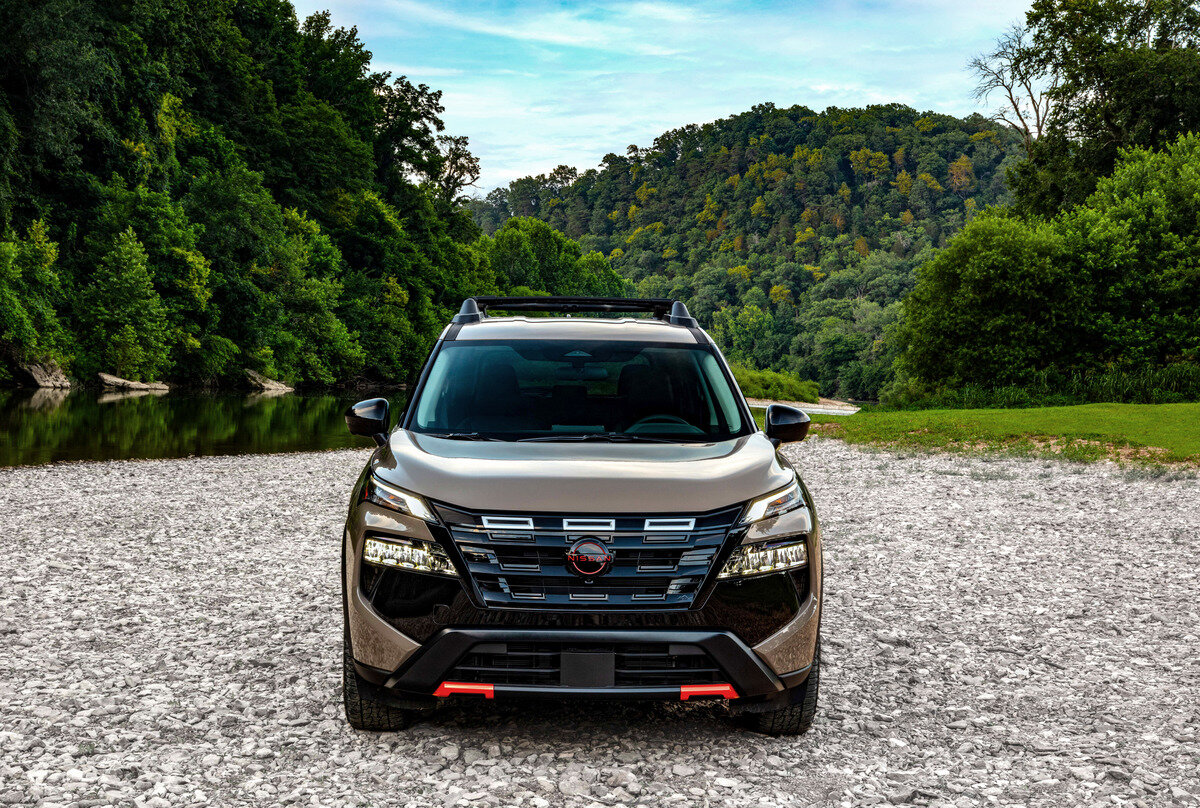
If your expectation is true off road capability beyond gravel roads and mild trails, this segment generally requires careful selection regardless of brand; most compact crossovers prioritize efficiency road manners tire selection limitations over rugged hardware such as low range gearing.
Towing capacity: useful within limits
Towing numbers matter because compact SUVs increasingly serve as light duty tow vehicles for small utility trailers bike racks loaded coolers or modest campers within strict limits. Recent Rogues have commonly been rated around 1,500 pounds maximum towing capacity when properly equipped (verify by model year drivetrain). That figure places it behind some rivals that offer higher ratings in certain configurations but aligns with many mainstream competitors focused primarily on passenger duty rather than towing strength.
If towing is part of your plan even occasionally pay close attention not only to maximum tow rating but also payload limits tongue weight limits cooling considerations tire ratings and whether your chosen trim includes necessary towing prep equipment if offered.
Fuel economy: efficiency without going hybrid
The Rogue’s turbo three cylinder was introduced partly to improve efficiency while keeping usable torque available at everyday speeds. EPA ratings vary by drivetrain wheels tires and options; recent published combined mpg figures have typically been competitive within non hybrid compact SUVs while hybrids from Toyota Honda Hyundai Kia can beat it under many conditions especially city driving patterns.
If your driving mix includes heavy stop-and-go traffic every day a hybrid rival may deliver noticeable fuel savings along with smoother low speed operation because electric assist masks transmission behavior differences so effectively. If your commute leans highway heavy many non hybrids narrow the gap which makes comfort noise control seats and driver assistance behavior matter more than raw mpg bragging rights.
Safety tech: strong feature availability but confirm trims
Mainstream compact SUVs now arrive with broad suites of standard safety technology such as automatic emergency braking blind spot warning rear cross traffic alert lane departure warning and adaptive cruise control depending on brand strategy (exact standard content varies). Nissan typically equips Rogues with many active safety features though some advanced functions may require higher trims or option packages.
If safety technology is central to your purchase decision focus less on whether features exist somewhere in the lineup and more on whether they are standard on your target trim without forcing you into unwanted wheels sunroofs or luxury add-ons (feature packaging decisions differ between Honda Toyota Subaru Mazda Hyundai Kia Volkswagen Ford Chevrolet).
Ownership implications: CVT perceptions maintenance reality dealer lot context
No honest review of a modern Nissan crossover skips past buyer perceptions around CVTs because public opinion has been shaped by years of internet lore mixed with genuine historical complaints across parts of the industry including older applications from multiple brands. What matters today is not old anecdotes but how any specific model year powertrain performs over time under real maintenance routines.
I cannot claim long term reliability outcomes for the 2026 Rogue specifically without verified data because that would require years of field history none of us have yet. What I can say responsibly is this: follow manufacturer maintenance schedules use correct fluids keep software updates current when applicable avoid ignoring warning lights address drivability issues early rather than waiting until they become expensive problems due diligence helps any modern vehicle regardless of brand transmission type or engine layout.
Dealer lot reality also shapes ownership satisfaction more than people admit privately after purchase. Compact SUVs sell quickly so trims colors options vary widely by region season demand cycles If you care deeply about seat upholstery wheel size camera systems panoramic roof availability or advanced driver assistance packages plan ahead so you do not settle into a configuration that compromises daily comfort just because it was available today instead of next week
How it stacks up emotionally against key rivals
Toyota RAV4: The RAV4 projects durability practicality resale confidence for many buyers Its personality leans utilitarian even when dressed up The Rogue counters with a softer more comfort oriented cabin vibe better suited to people who notice seat shape road noise steering effort every single day
Honda CR-V: The CR-V sets an almost annoyingly rational benchmark It tends to do everything well without demanding attention Its hybrid option adds smoothness efficiency appeal The Rogue competes through seat comfort available camera tech pleasant interior design It may not feel quite as effortlessly cohesive as Honda at times but some drivers prefer Nissan’s relaxed demeanor
Mazda CX-5 CX-50: Mazdas win hearts through steering calibration firm body control upscale cabin ambiance They ask you to care about driving even if you did not plan to The Rogue does not try as hard emotionally behind the wheel It instead tries to reduce fatigue If your goal is calm commuting Mazda may feel unnecessarily intense If your goal is engagement Nissan may feel too polite
Subaru Forester: Forester buyers love visibility predictable AWD behavior practical packaging Subaru also carries strong brand identity tied to outdoors culture The Rogue offers different strengths notably seat comfort quietness potential tech features Depending on priorities either could feel like home
Hyundai Tucson Kia Sportage VW Tiguan Ford Escape Chevy Equinox: This group swings widely from bold styling strong tech value impressions European flavored road manners Each has its own quirks about controls powertrains packaging The Rogue stands out most when evaluated through everyday ease rather than showroom flash
Pros and cons (the ones you actually live with)
Pros:
Comfort oriented ride tuning that suits commutes rough pavement school runs
Front seat comfort reputation tends to be strong within mainstream compact SUVs depending on fit preferences
Available camera technology can meaningfully reduce parking stress if equipped properly
Punchy published torque output from the turbo three cylinder helps everyday responsiveness versus older naturally aspirated setups
Cons:
CVT driving feel remains an acquired taste especially during hard acceleration passing hills heavy loads
Some key convenience tech may be tied to higher trims so verify equipment carefully before assuming availability
Towing capability typically modest versus certain competitors if towing matters beyond occasional light duty use
Verdict: wins when your priorities are quiet competence
The 2026 Nissan Rogue fits American buyers who treat their compact SUV like a daily tool but still want it to feel gentle about its job. It succeeds most clearly when judged by small habits: sliding into supportive seats five days a week settling into steady highway cruising using cameras confidently in tight lots trusting lane assistance enough to reduce fatigue instead of adding tension loading groceries into a cargo area shaped like real life not like an Instagram photo shoot prop
If your emotional expectation for this segment includes sporty steering crisp transmission shifts dramatic acceleration soundtrack there are better matches particularly from Mazda Some shoppers will also gravitate toward hybrid rivals if their commute punishes fuel consumption With those caveats understood the Rogue remains compelling precisely because it focuses attention where owners actually spend their time behind wheel comfortable seats calm ride usable tech thoughtful practicality When those details align with your routine it feels like an SUV that quietly improves days rather than merely transporting them
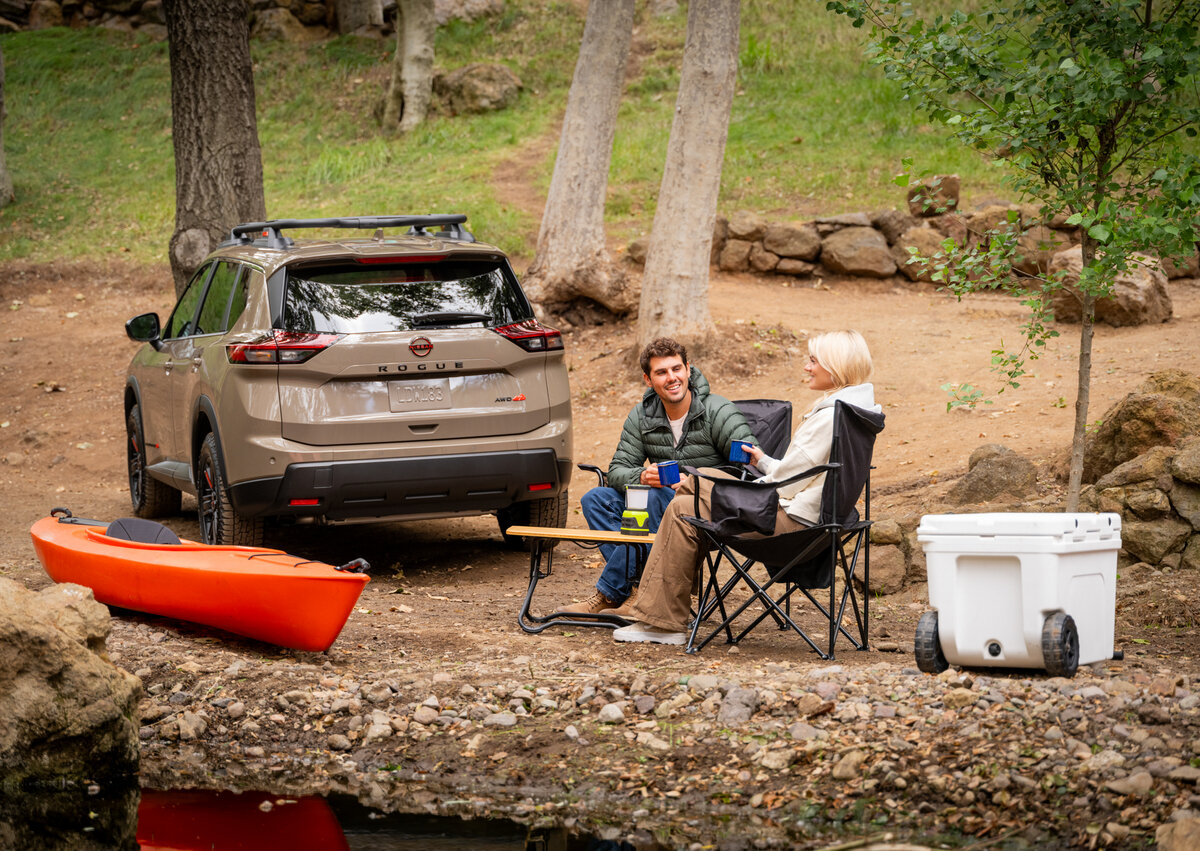
Photo: Nissan North America / Nissan USA Newsroom
0 comments
Join the discussion around this article.
Please login to comment.