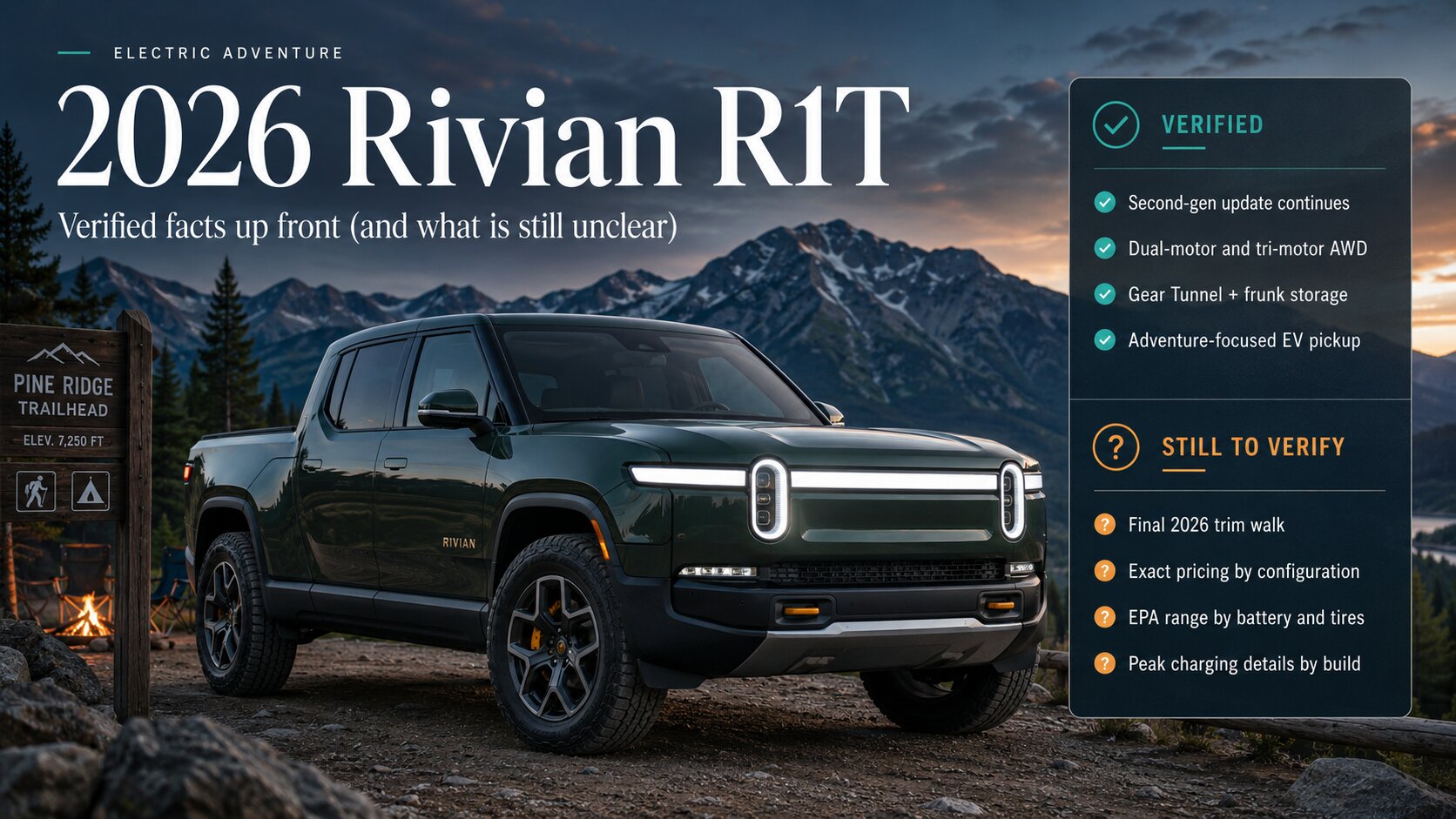
Verified facts up front (and what is still unclear)
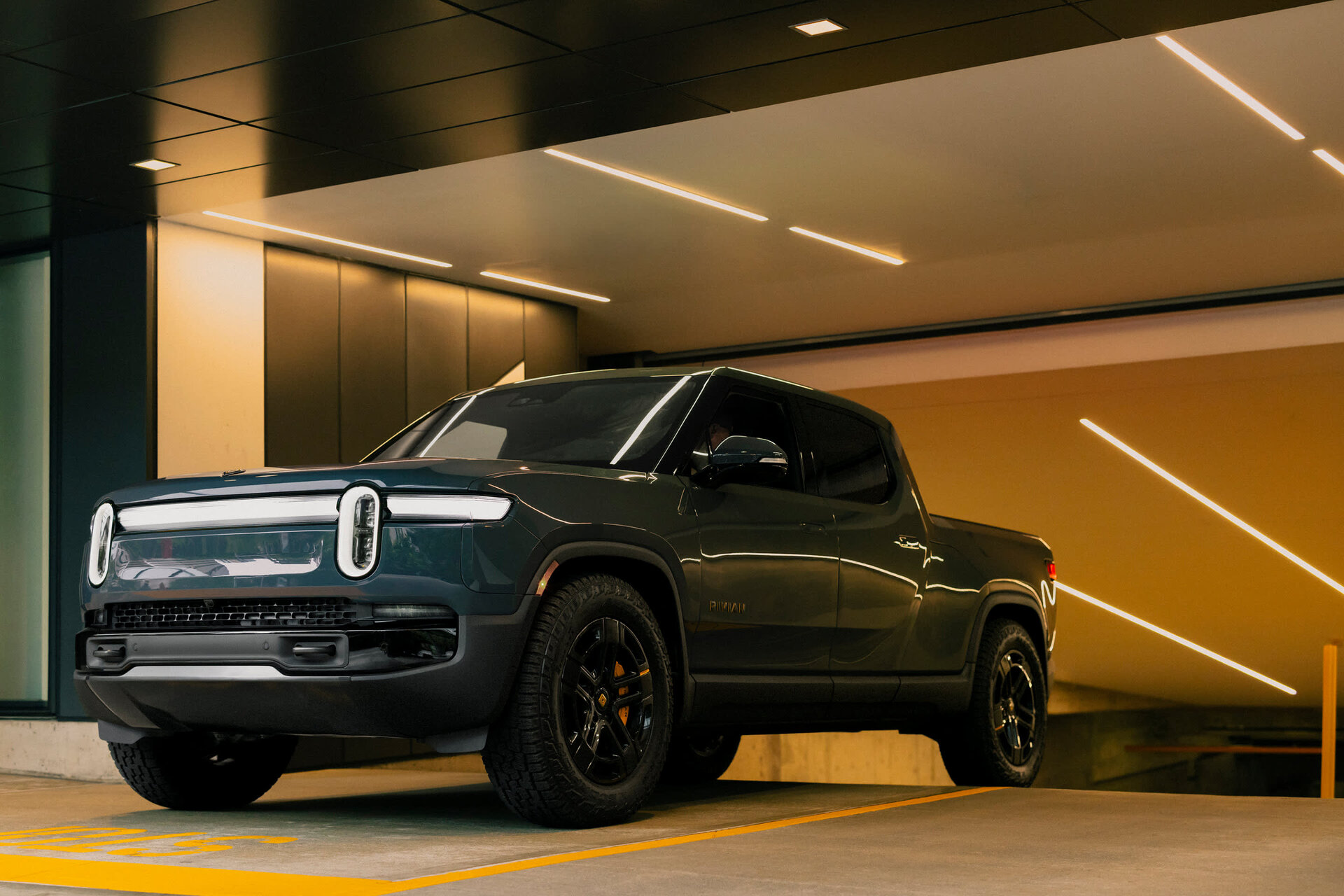
Rivian’s R1T is a midsize electric pickup sold in the U.S. since the 2022 model year, and it has quickly become the “gear-first” alternative to traditional gas trucks. For 2026, Rivian continues with the second-generation update that debuted for the 2025 model year, which brought meaningful changes to hardware and software, including a new electrical architecture and a reshuffled lineup (based on Rivian’s published product updates and widely reported coverage from major outlets). Exact 2026 trim walk details can vary by timing and configuration, so any buyer should confirm current availability and pricing on Rivian’s configurator.
What’s widely established and safe to say: the R1T is a five-seat crew-cab pickup with a short bed; it offers dual-motor AWD and tri-motor AWD configurations in recent model years, with quad-motor having existed historically on earlier trucks. Rivian has offered multiple battery sizes across the R1 line over time. The R1T is known for strong performance, standard AWD on most configurations, adjustable air suspension on many builds, and unique storage solutions like the Gear Tunnel. It is also known for DC fast charging capability on CCS (and, depending on model year and adapter availability, access to Tesla Superchargers via NACS adapters). Specific peak charging rates and exact EPA range figures depend heavily on battery size, wheel and tire choice, and configuration. If you are shopping a specific 2026 build, you should verify the EPA rating and the charging curve details for that exact battery and motor setup because those numbers can change with updates.
Key rivals in the U.S. market are straightforward: Ford F-150 Lightning (full-size EV truck), Chevrolet Silverado EV (full-size EV truck), GMC Sierra EV (full-size EV truck), Tesla Cybertruck (polarizing but direct EV pickup competitor), and at a smaller scale the upcoming Ram 1500 REV when it arrives in volume. If your baseline is a gas midsize like a Toyota Tacoma or Chevy Colorado, the R1T plays in a different price band and performance league, but it overlaps in real use cases like trail access, weekend hauling, bikes and dirt toys, and daily commuting.
The idea of the R1T: a pickup built around stuff
The 2026 Rivian R1T makes more sense if you stop thinking of it as “an electric Tacoma alternative” and start thinking of it as a mobile gear room that happens to be quick, quiet, and very capable off pavement. A lot of pickups have clever storage now. Few are designed around it the way Rivian does.
The signature move is still the Gear Tunnel, that pass-through storage running behind the cab and ahead of the rear wheels. It’s not just a party trick; it changes how you pack for camping or trail days. Dirty recovery gear can live outside the cabin without living in the bed. Wet waders or muddy boots can get quarantined. Long items that are annoying in a short bed can slide into a protected space that feels more like a lockable trunk than “truck bed storage.” If you’re used to tossing everything into an open box and hoping your tonneau cover keeps honest people honest, the Rivian’s approach feels like someone actually camps.
Up front there’s also a frunk (front trunk), another EV advantage that becomes genuinely useful in daily life. Groceries go up front when your bed is full of bikes. A charging cable can live somewhere that doesn’t steal cabin space. If you’ve ever tried to keep a tow strap from smelling up your interior after a rainy recovery pull, you’ll appreciate any sealed storage you can get.
Trims and powertrains: what you can count on, what you should verify
Rivian’s lineup has evolved quickly since launch, so this is where it pays to slow down and read carefully before signing anything.
What’s broadly accurate based on recent model years: you’ll see dual-motor AWD models as a core offering, with higher-performance multi-motor variants available depending on production timing. Rivian has historically offered quad-motor trucks (one motor per wheel) with very precise torque control off road. More recently it has emphasized dual-motor and tri-motor setups for updated generations. The practical takeaway is simple: every R1T you’re likely to shop is all-wheel drive, quick enough to embarrass most gas trucks at a stoplight, and traction-rich on loose surfaces.
Battery sizes are another moving target across years. Rivian has offered different pack sizes in the R1 family; exact names and availability have changed over time. Rather than pretend there is one “2026 battery,” treat range as configuration-specific. Wheel diameter, tire type (especially aggressive all-terrain options), ambient temperature, speed, payload, and towing all matter more than many first-time EV owners expect.
If you want one clean rule: buy the battery for your worst day. If your life includes long highway runs at 75 mph into winter wind or frequent towing, don’t shop range like it’s an optimistic number you will always hit.
Cabin usability: smart layout with a learning curve
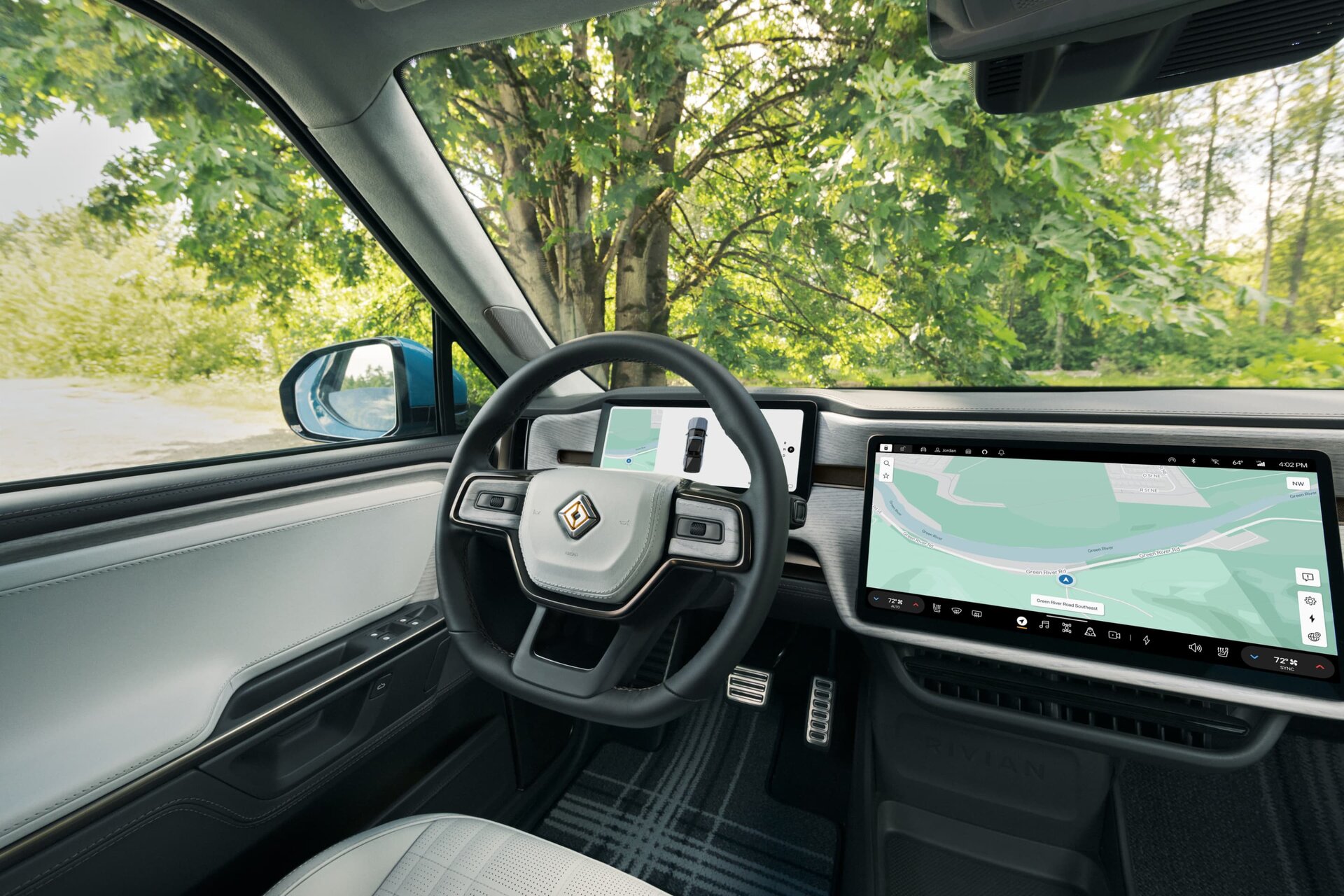
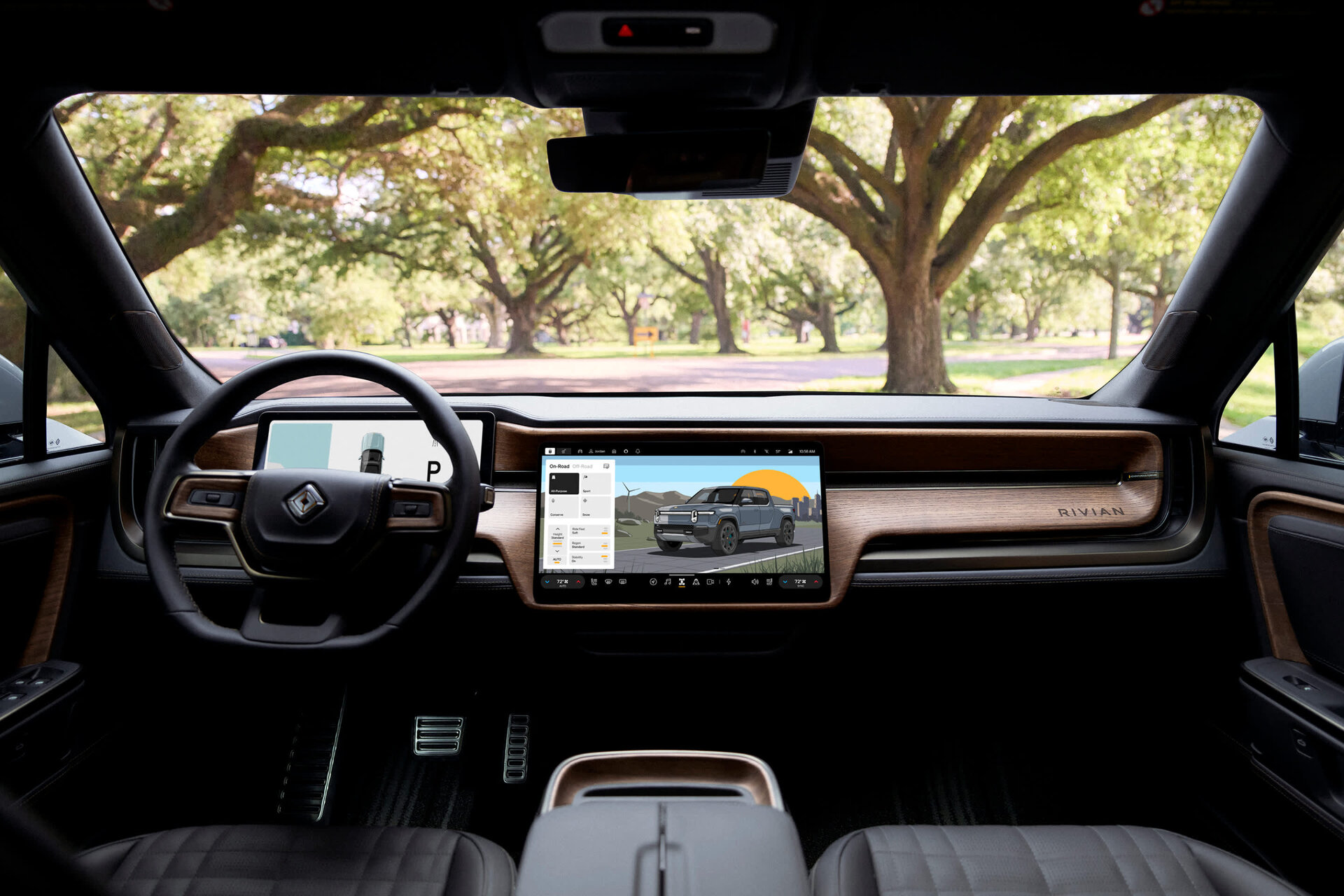
The R1T cabin feels modern in that clean EV way, with big screens doing much of the work traditionally handled by buttons. That brings some real upsides: software updates can improve features over time; navigation can integrate charging stops; driver assistance features can evolve. It also brings friction if you prefer tactile controls when you’re bouncing down washboard or wearing gloves.
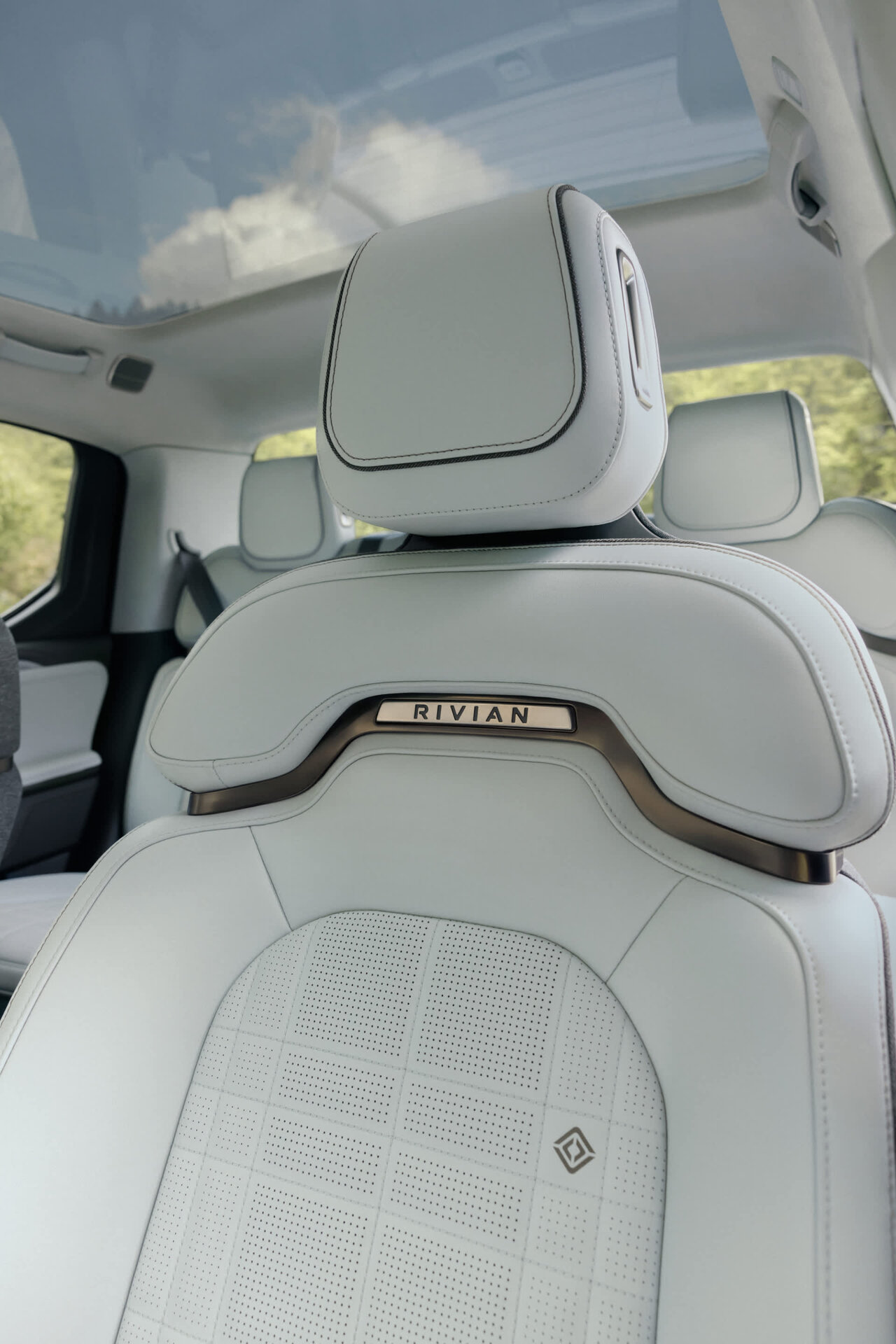
From an everyday-truck perspective, what matters most is how easily you can live with it when you’re tired, dirty, or juggling gear. The seating position is upright enough to feel truck-like without being bus-bus vertical. Storage inside is generally good for phones, water bottles, small tools, and kid stuff. The rear seat area works for adults in typical use because this is a crew cab layout; it’s not a cramped jump-seat situation.
The bigger question is how comfortable you are letting screens run your life. Climate controls, drive modes, suspension settings (when equipped), energy information, trail cameras where available; these are often screen-driven experiences. Some owners love that because everything feels integrated. Others get mildly frustrated when they just want to change one thing quickly without hunting through menus.
Bed utility and hauling: real truck moves within EV limits
The R1T has a short bed by full-size standards; think more “midsize crew cab” practicality than contractor-grade long-bed capacity. For most buyers using this as an adventure truck or daily driver that occasionally hauls home improvement supplies, that’s fine.
The bed itself benefits from EV packaging because there’s no big fuel tank dictating compromises in odd places. Tie-downs and power outlets have been part of Rivian’s truck identity from early on (availability depends on configuration), which matters at camp or job sites where you want to run an air pump or keep devices charged without dragging an inverter around.
Payload is one area where EV trucks often surprise shoppers coming from gas rigs. Batteries add mass; curb weight tends to be high; payload ratings can be lower than people assume based purely on how “strong” the truck feels when it launches hard from a stoplight. I’m not going to cite a specific payload number here because it varies by configuration and model year updates; check the door sticker for any truck you’re buying because that number is what actually matters when you load up people, dogs, coolers, firewood, water jugs, rooftop tents, and tongue weight from trailers.
Towing: plenty of muscle, but plan your charging life
The R1T has been rated up to about 11,000 pounds towing capacity in widely published specs for earlier model years when properly equipped (a figure Rivian has advertised). Whether every 2026 configuration matches that maximum depends on how Rivian continues packaging motors and batteries for that year; again, verify your exact build.
Even if your trailer is well within rating, towing with any EV changes the rhythm of travel. Range drops significantly under load at highway speeds; that’s not unique to Rivian or even unique to EVs if we’re being honest (gas mileage tanks too), but charging time becomes part of trip planning in a way refueling usually isn’t.
The good news is torque delivery makes towing feel effortless from zero speed compared with many gas trucks hunting gears under moderate load. The less fun part is charging stops with trailers attached can be awkward depending on station layout. Pull-through chargers exist but are not universal yet.
On-road driving: quick when empty, calm when cruising
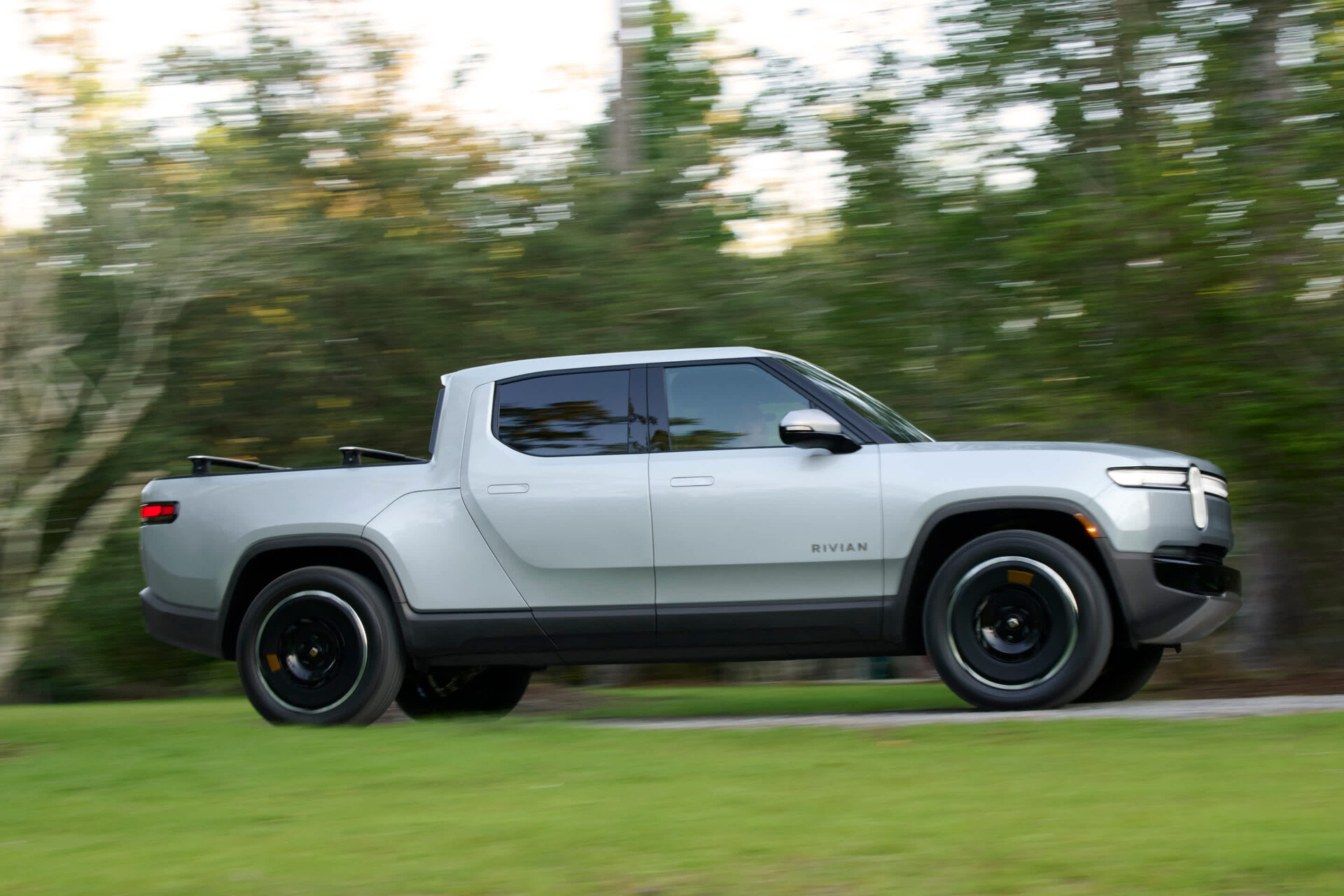
One thing nearly everyone notices about an R1T quickly is how fast it feels relative to its size. Electric torque comes on immediately; passing power doesn’t require planning; merging onto interstates feels like cheating compared with most midsize pickups.
Highway comfort depends heavily on suspension setup and tire choice. Many R1Ts have adjustable air suspension available (and widely associated with the platform), which helps balance ride quality with ground clearance needs when you leave pavement. With street-oriented tires it can feel impressively composed for a truck with serious off-road intent baked in. With aggressive all-terrains you should expect more road noise than a crossover because physics still applies.
Compared with an F-150 Lightning or Silverado EV, both of which are larger trucks with longer wheelbases in many trims, the R1T can feel more maneuverable in tight parking lots and narrower trails but not quite as “big-truck settled” at high speed over rough expansion joints. That’s not really criticism; it’s just what shorter wheelbase trucks do.
Off-road capability: traction systems matter more than bravado
This is where Rivian’s engineering focus shows up in ways that aren’t just spec-sheet flexing.
The R1T platform has been associated with strong ground clearance thanks to adjustable suspension (when equipped) and serious approach-departure geometry for its class relative to many street-focused pickups. Exact ground clearance numbers vary by setting and equipment; Rivian has published figures in prior years but they are best treated as configuration-specific rather than universal truths across all builds.
More important than clearance alone is how smoothly it manages traction across mixed surfaces like loose climbs transitioning into rock shelves or wet roots under leaf litter. Multi-motor setups have historically enabled very fine torque control because each axle or each wheel can be driven independently depending on configuration. Even dual-motor systems can be excellent off road when paired with good software tuning because electric motors react quickly to slip events.
If your off-road life includes sand washes or snowed-in forest roads where momentum matters but wheelspin kills progress fast, an AWD EV truck can be almost unfairly effective as long as tire choice matches conditions. Tires remain king here; no amount of software fixes bad rubber.
The camp tool angle: power access changes how you pack
For camping and overlanding style use cases, onboard power is one of those features you don’t fully appreciate until you’ve lived without it again.
A pickup that can power small appliances or recharge devices without idling an engine fits modern camp routines better than many traditional rigs. You can run lights around camp without worrying about draining a starting battery; you can top off e-bike batteries depending on power output limits; you can inflate mattresses or tires without digging out separate gear if your build includes onboard outlets.
This isn’t magic though; using power draws from your driving energy budget. In typical camp use it may be modest relative to propulsion needs, but if you treat your truck like a generator all weekend then expect some range impact heading home.
Charging routines: where ownership gets real
If you’ve never owned an EV before, this is the part that determines whether an R1T feels liberating or annoying.
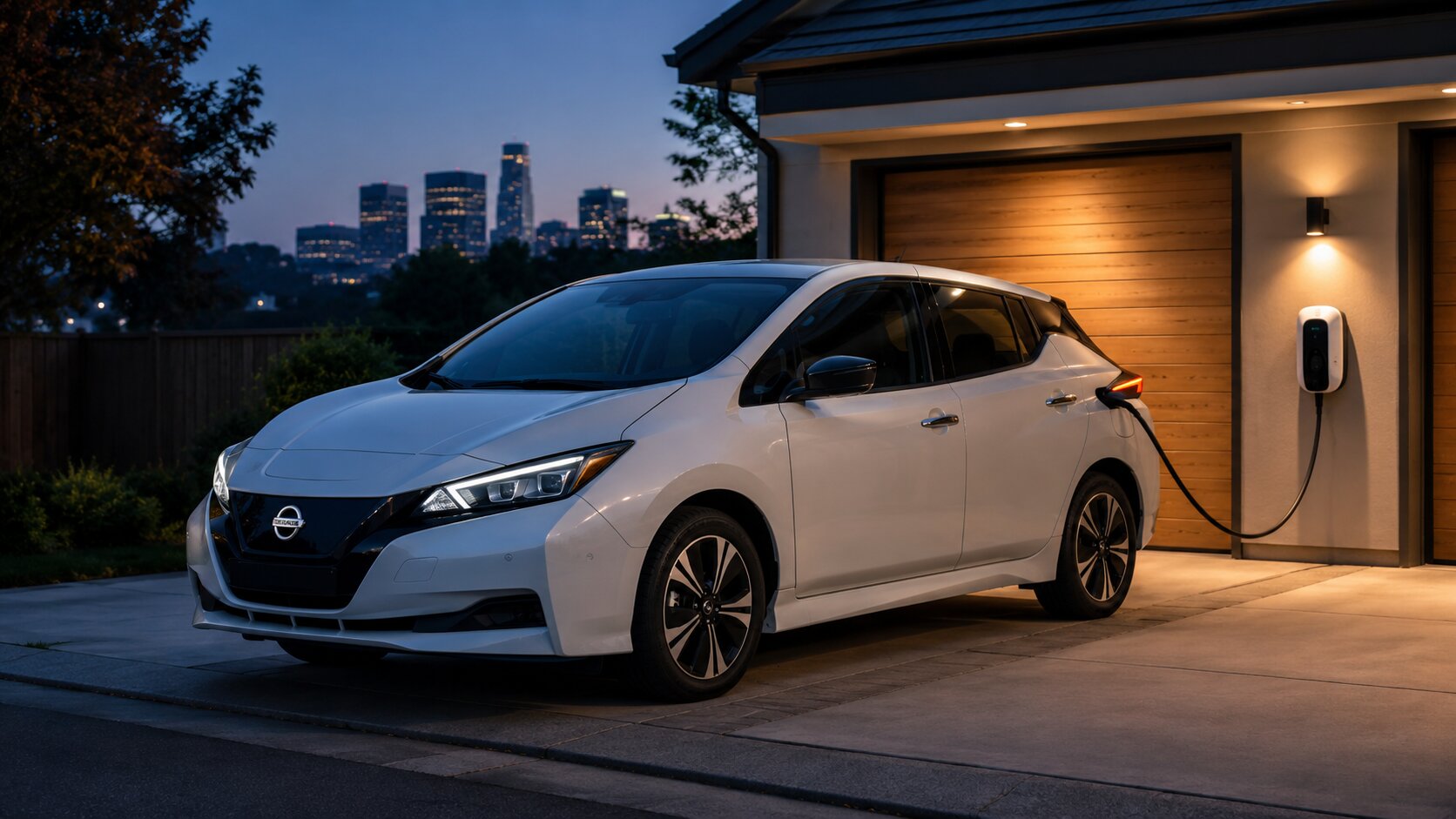
Home charging changes everything if you have access to Level 2 charging overnight. Waking up “full” most mornings makes daily driving almost too easy compared with gas station habits. Without home charging (apartment life or street parking), public charging becomes your routine instead of an occasional stop on road trips.
On road trips you’ll likely use DC fast charging networks compatible with CCS hardware for many existing vehicles; access to Tesla Superchargers via adapters has been rolling out across brands depending on agreements and hardware compatibility timelines. Availability can vary by region and by station generation even within Tesla’s network. The practical advice remains: plan routes using reliable apps; don’t assume every charger will be open or delivering peak speeds; avoid arriving at low state-of-charge late at night in rural areas if you can help it.
Charging speed itself depends on pack temperature management and charger output as much as anything else. Rivian’s own navigation typically preconditions the battery en route to fast chargers when set properly; using that feature tends to make fast-charging stops smoother than just winging it.
The EV truck learning curve: weight management and expectations
An electric pickup asks you to rethink some old habits while rewarding others.
You’ll learn quickly that speed costs range more than many first-time owners expect. A headwind matters more too because aerodynamic drag stacks up brutally at highway speeds on anything shaped like a brick wearing off-road tires.
You’ll also notice how regenerative braking changes pedal work around town and down grades while towing light loads or descending mountain roads unloaded. Some drivers love one-pedal driving; others prefer lighter regen for smoother trailer behavior depending on conditions (where settings allow). Either way there’s an adjustment period where your right foot learns new muscle memory.
Tech and driver assistance: helpful when calibrated well
Rivian has offered driver assistance features typical of modern vehicles such as adaptive cruise control and lane-keeping support depending on package content over time (feature names and capabilities have evolved). In day-to-day highway driving these systems reduce fatigue when they work smoothly.
The caution here is simple: don’t buy any vehicle solely for promised future software improvements unless those features already exist today in production form for your VIN build date. Over-the-air updates are real benefits but they’re not guarantees of specific future capability levels beyond what Rivian publicly commits to.
Durability thoughts: what we know versus what we assume
No responsible reviewer should pretend there’s decades of durability data behind any young EV platform in heavy-duty use cycles because there isn’t yet.
What we do know is that EVs remove some maintenance items common in gas trucks (no oil changes; fewer fluids overall). What remains includes tires (often faster wear due to weight and torque), brakes (often reduced wear thanks to regen but still subject to corrosion if rarely used hard), suspension components under heavy loads off road, alignment sensitivity after impacts with rocks or potholes, and general fit-and-finish durability under dusty trail use.
If you plan real off-road travel regularly, consider practical protection choices rather than assuming factory skid plates solve everything forever. Also consider service access where you live; Rivian service coverage continues expanding but isn’t as saturated as Ford or GM dealer networks in many regions.
Rivals in context: where the R1T fits
Ford F-150 Lightning: Bigger inside overall because it’s based on America’s full-size benchmark truck shape. It also offers very usable frunk space in practice because of its packaging advantages as an EV full-size pickup. If your life revolves around full-size bed utility or wide-open cabin room for family duty plus work duty simultaneously, Ford makes an easy argument assuming pricing lines up for your trim targets.
Tesla Cybertruck: Hard to ignore due to performance headlines and Supercharger ecosystem integration advantages depending on region and compatibility details at purchase time. The design is love-it-or-hate-it; bed access solutions differ from traditional trucks; repairability questions matter for some buyers given stainless exterior panels and unique construction approach (details vary by version). If styling sensitivity matters or you want something closer to conventional pickup ergonomics inside and out, the Rivian often feels easier to live with day-to-day.
Chevrolet Silverado EV / GMC Sierra EV: These are larger trucks aimed at different missions including long-distance cruising comfort due to size advantages in many trims plus clever bed solutions like midgate style pass-throughs depending on model details. They are also generally heavier vehicles playing at higher price points when optioned similarly for range or luxury content.
Gas midsize trucks (Tacoma/Colorado/Ranger): They win on refuel convenience everywhere today plus lower entry price points depending on trim comparisons. They lose badly on smoothness at low speed crawling (EV torque control helps) plus silent cruising character around town plus onboard power integration unless equipped with dedicated systems or add-ons.
Pros that matter in real use
Storage creativity: Gear Tunnel plus frunk plus cabin storage makes this truck unusually good at keeping dirty gear out of living space while still locking things securely.
AWD traction focus: Regardless of motor count specifics for your build year configuration, this platform has been engineered around controlled traction rather than just brute force.
Everyday drivability: Quick response around town reduces stress merging into traffic; quiet cruising helps long commutes feel less tiring compared with many off-road oriented gas pickups running aggressive tires.
Campsite utility: Onboard power options make modern camping easier if used thoughtfully within energy limits.
Cons worth admitting before you buy
Towing road trips require planning: Even if tow ratings look strong on paper for certain configurations (historically up to about 11,000 pounds), towing range reduction means stops come sooner than newcomers expect; charger layout can complicate trailer travel.
User interface dependence: Screen-heavy controls are not everyone’s favorite while bouncing down trails or wearing gloves in cold weather.
Tire wear costs: Heavy curb weight plus instant torque tends to eat tires faster than comparable gas midsize pickups if driven enthusiastically or loaded often.
Service footprint varies: Depending on where you live in the U.S., service convenience may still lag legacy dealer networks even as Rivian expands support infrastructure.
The verdict: who should buy the 2026 R1T?
The 2026 Rivian R1T remains one of the most thoughtfully packaged adventure pickups sold in America because its storage solutions feel designed by people who actually carry gear regularly instead of occasionally posing next to it. As an everyday driver it works better than many lifted overland builds simply because it stays quiet and quick while still offering serious traction hardware beneath you when pavement ends.
The tradeoffs are real though: towing trips demand honest planning around charging stops; public charging quality varies by region; some drivers will never love screen-centric controls in rough conditions; tire costs are part of ownership math whether anyone wants them to be or not.
If your week looks like commuting plus school runs plus weekend trailheads plus occasional hauling projects around town, this truck makes sense in a way few others do because it behaves like an SUV when asked yet stores gear like a purpose-built tool chest. If most of your miles involve heavy towing across wide rural stretches where chargers are sparse today, a gas truck might still fit better until infrastructure catches up near your routes or until your personal tolerance for planning improves through experience.
Photo: Rivian
0 comments
Join the discussion around this article.
Please login to comment.