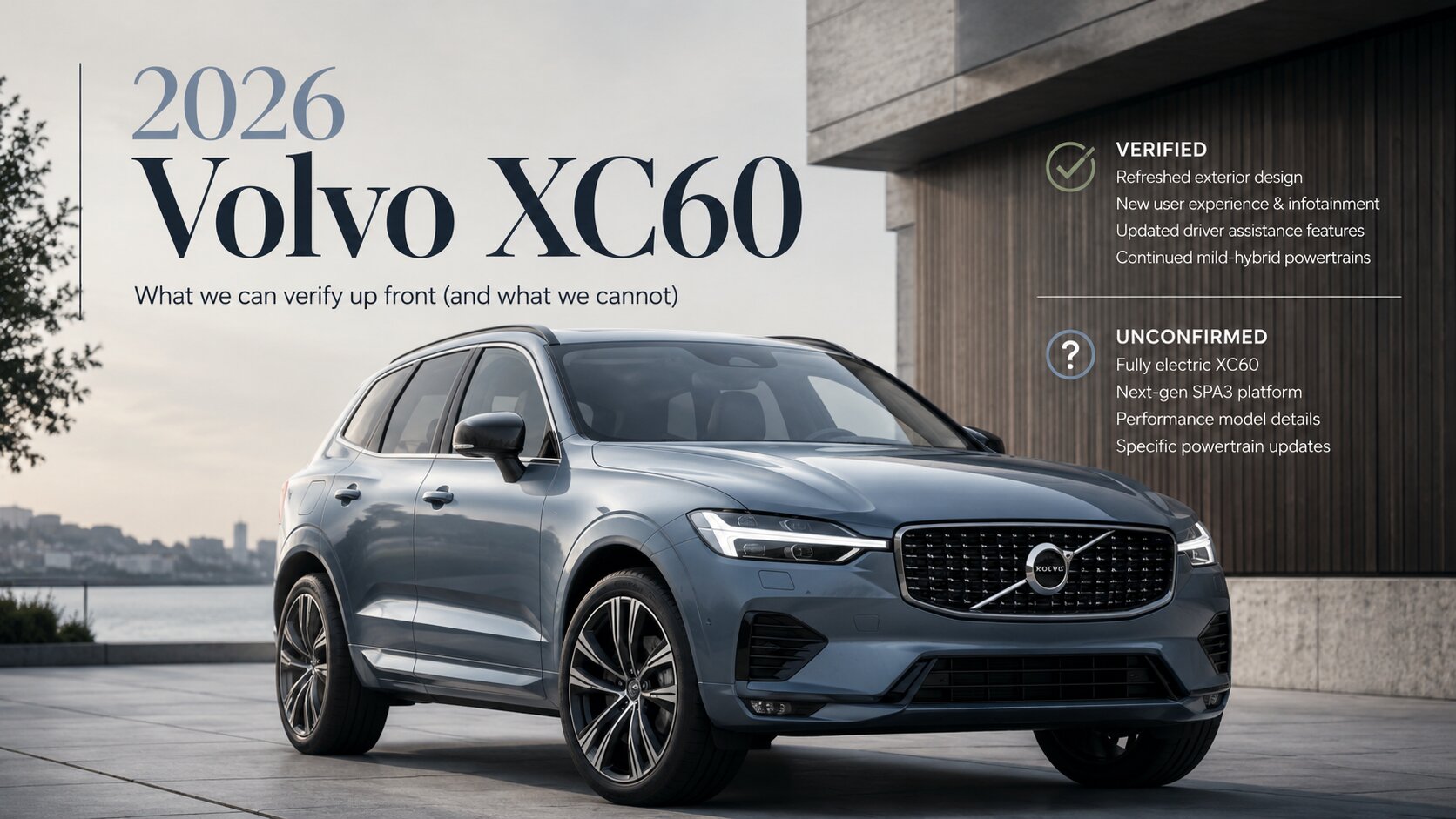
What we can verify up front (and what we cannot)
Volvo’s XC60 sits in the heart of the U.S. luxury compact SUV market, a space defined as much by image as by engineering. Before getting into what the 2026 Volvo XC60 is like to live with, it is important to be clear about what is confirmed and what remains dependent on final U.S. specifications.
As of this writing, Volvo has not broadly published a fully detailed, U.S. market 2026 XC60 specification sheet that is as clean and comprehensive as the ones typically available later in a model year rollout (full trim walk, finalized equipment lists, complete EPA ratings for every variant, and MSRP for every configuration). The XC60 has been on sale in its current generation since the 2018 model year, with a significant refresh for 2022 that brought Google built in infotainment and powertrain strategy changes. For 2026, buyers should expect continuity rather than reinvention unless Volvo announces otherwise. Any time you see a number below, it is based on widely reported, established XC60 powertrain offerings in recent U.S. model years and Volvo’s own long running published figures for those configurations. If Volvo changes names, output, or availability for 2026, those details should be confirmed against the final U.S. order guide.
2026 Volvo XC60 at a glance
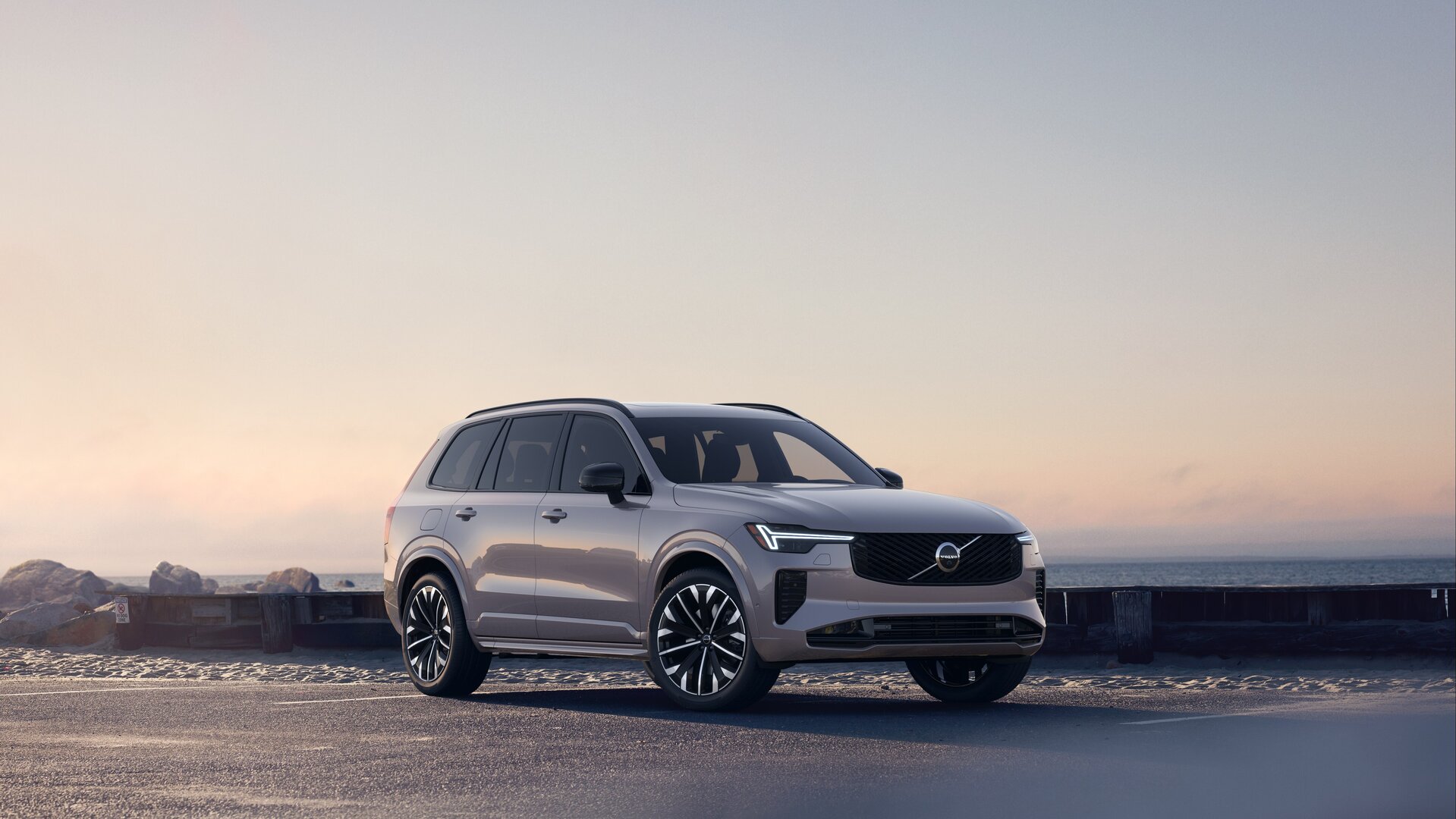
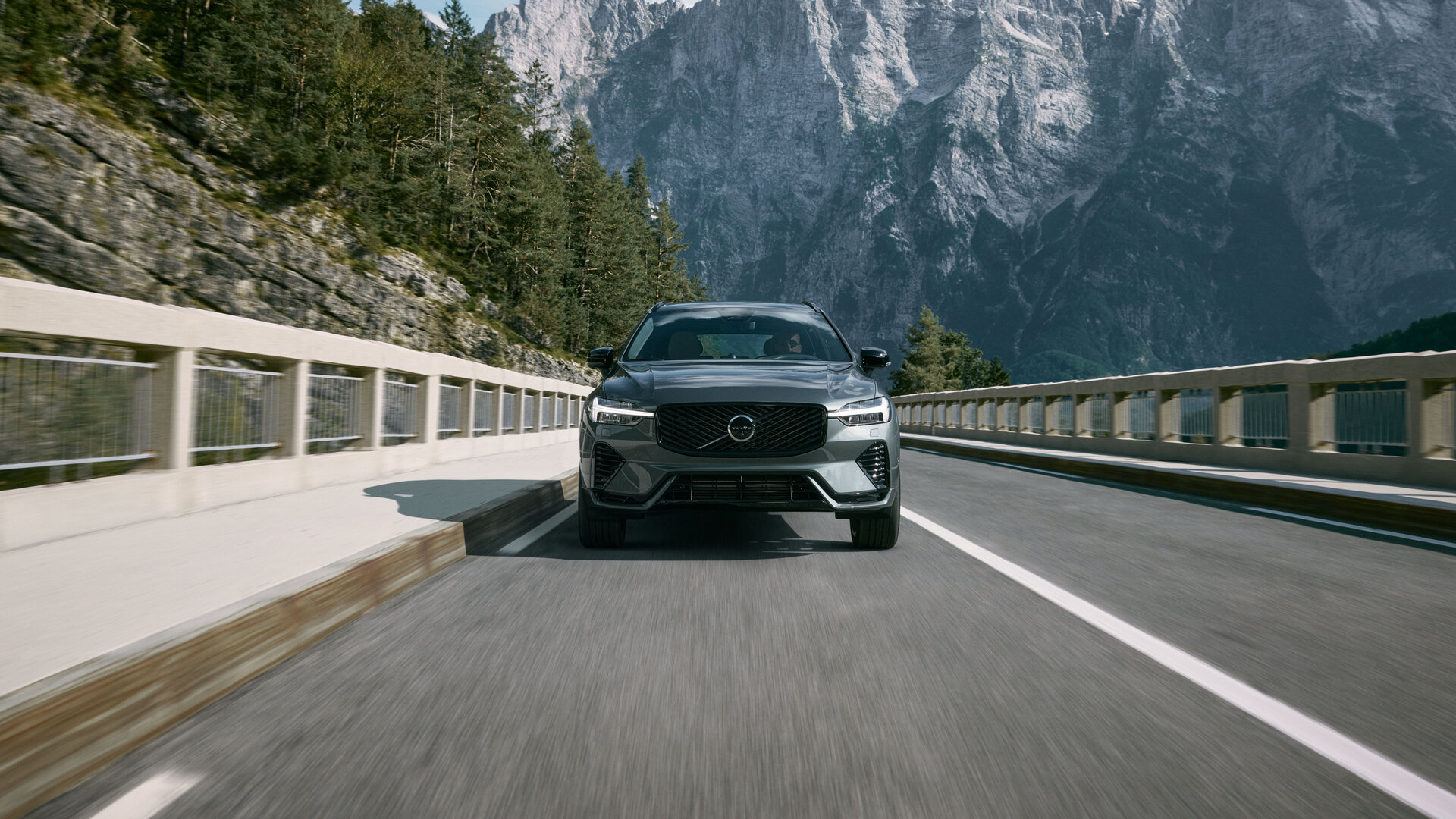
The appeal of the XC60 has never been about shouting over its rivals. It is about calm. The design is restrained, the cabin tends toward quiet competence, and Volvo’s brand story in America still leans heavily on safety credibility and Scandinavian tastefulness rather than overt performance theater.
In a segment where the BMW X3 and Mercedes Benz GLC often sell their personalities first, and where the Audi Q5 trades on understated precision, the XC60 tries to make luxury feel like relief. For many buyers that reads as premium maturity. For others it can feel almost too polite, especially when optioned without the visual drama some competitors deliver by default.
Powertrains and specs (based on established U.S. offerings)
Volvo’s recent U.S. XC60 lineup has centered on two main mechanical directions: a turbocharged four cylinder mild hybrid and a turbocharged plus supercharged plug in hybrid (often branded “Recharge”). Exact naming has shifted by year (for example B5 for mild hybrid and T8 for plug in hybrid), so treat labels as likely rather than guaranteed for 2026 until Volvo publishes its final lineup.
Mild hybrid (commonly B5 AWD): Recent XC60 B5 models use a 2.0 liter turbocharged inline four with a 48 volt mild hybrid system and an eight speed automatic transmission driving all four wheels. Output in recent years has been widely listed at about 247 horsepower. This is the mainstream choice in the range because it feels appropriately strong in everyday driving without pulling you into plug in ownership habits.
Plug in hybrid (commonly T8 Recharge AWD): Recent XC60 plug in hybrids combine a turbocharged and supercharged 2.0 liter four cylinder with an electric motor and battery pack, again with AWD. In current form for recent model years, output has been widely published at about 455 horsepower combined. Electric only range has been widely listed around the mid 30 mile mark on the EPA cycle for recent versions (roughly 35 miles), though exact range varies by model year and equipment and must be verified for 2026 when EPA data posts.
Towing: The XC60’s towing capacity varies by powertrain and equipment; recent U.S. specifications have commonly cited up to 3,500 pounds when properly equipped. Confirm exact figures for the specific 2026 configuration you are shopping because towing ratings can change with drivetrain revisions or cooling packages.
Key rivals: BMW X3 (including M40i), Mercedes Benz GLC (including AMG variants), Audi Q5 (including SQ5), Lexus NX (including hybrid and PHEV), Acura RDX, Genesis GV70, and to an extent the Lincoln Corsair in higher trims.
Driving character: quiet competence over spectacle
The XC60’s road manners have historically favored composure over edge. Even without claiming a specific decibel measurement or instrumented acceleration time here, you can understand its personality from how Volvo tunes steering effort, suspension compliance, and power delivery logic.
Steering and chassis: In typical daily use, the XC60 tends to feel stable and tidy rather than playful. Steering response is usually predictable but not especially chatty through your hands. Compared with a BMW X3, which still sets a benchmark for driver engagement in this class, the Volvo generally feels more interested in keeping you relaxed than entertained. That is not a criticism so much as an editorial distinction: Volvo’s definition of “sporty” rarely matches BMW’s.
Ride comfort: The best versions of this vehicle are the ones that settle into an unruffled rhythm over broken pavement. Depending on wheel size and suspension setup, ride quality can shift from plush to slightly busy on sharper edges, so shoppers should pay attention to wheel diameter when ordering or selecting dealer stock. In many luxury crossovers, big wheels are an aesthetic tax; on the XC60 they can also chip away at one of its most valuable traits: calm.
Noise isolation: Volvo has long prioritized cabin serenity. Road noise suppression is typically strong for the class, especially at highway speeds where wind noise often defines whether an SUV feels expensive after an hour behind the wheel. The XC60’s general vibe is hushed enough that you notice small sounds more clearly: HVAC fan changes, turn signal clicks, even seat ventilation if equipped. That kind of detail can be either reassuring or mildly obsessive depending on your temperament.
Mild hybrid behavior: The mild hybrid system’s job is subtle smoothing rather than electric driving. Start stop events can feel more polished than older non electrified setups; throttle response can be slightly more immediate off the line because electric assist helps fill gaps while boost builds. Do not expect EV style torque surge or silent departures from parking lots; this is still fundamentally an internal combustion experience.
Plug in hybrid behavior: The plug in hybrid is where the XC60 can surprise people who assume “safe Swedish SUV” means slow. With roughly 455 horsepower in recent published specifications for T8 versions, there is real thrust available when you ask for it. What makes it interesting is not just speed but dual personality: short trips can be done largely on electricity if you charge regularly, while long trips revert to conventional operation without range anxiety.
The tradeoff is complexity and habit change. A plug in hybrid only rewards you if you plug in frequently enough to use that electric range; otherwise you are carrying battery weight around town without harvesting much benefit.
The seats: where Volvo still feels like Volvo
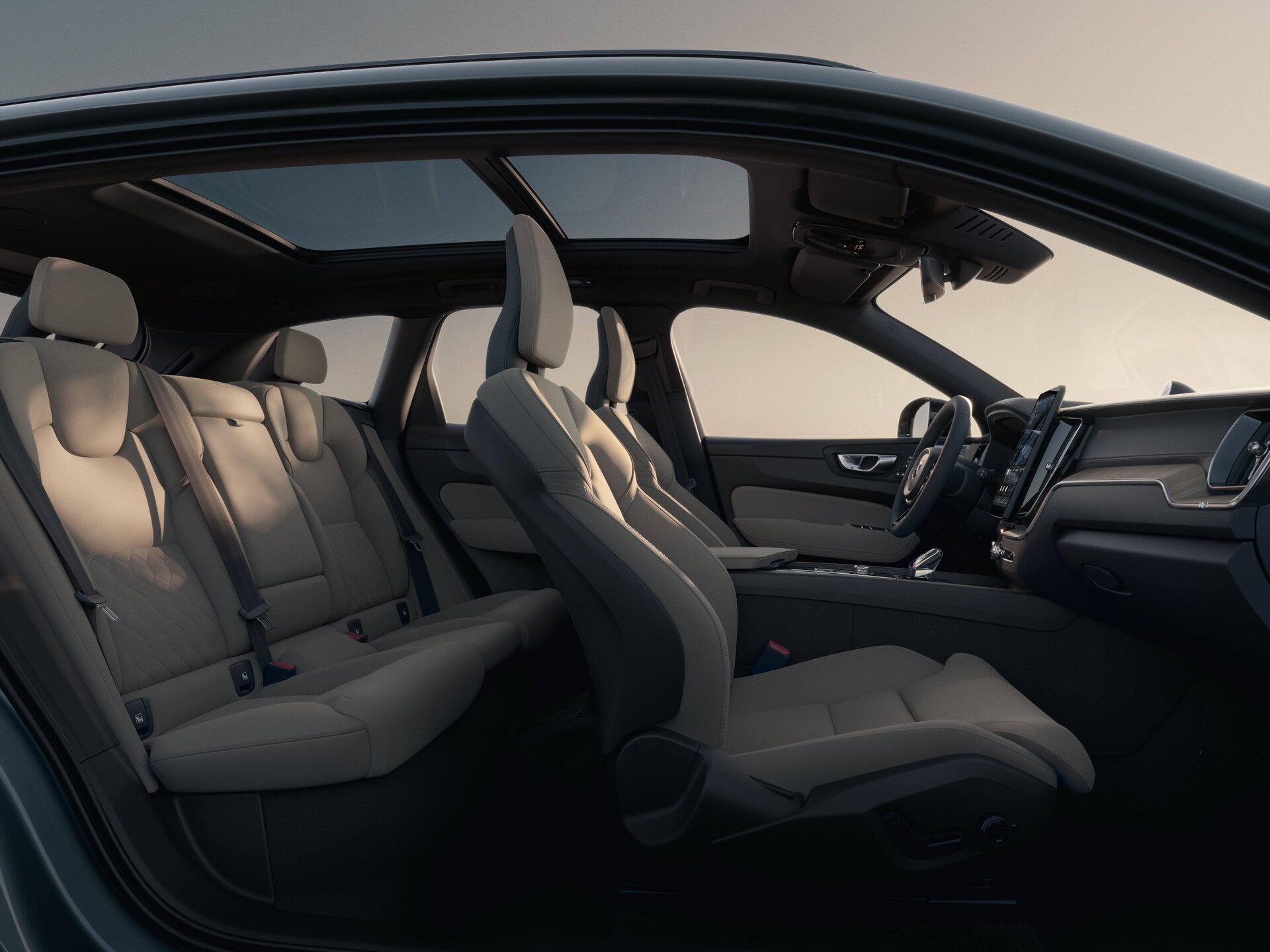
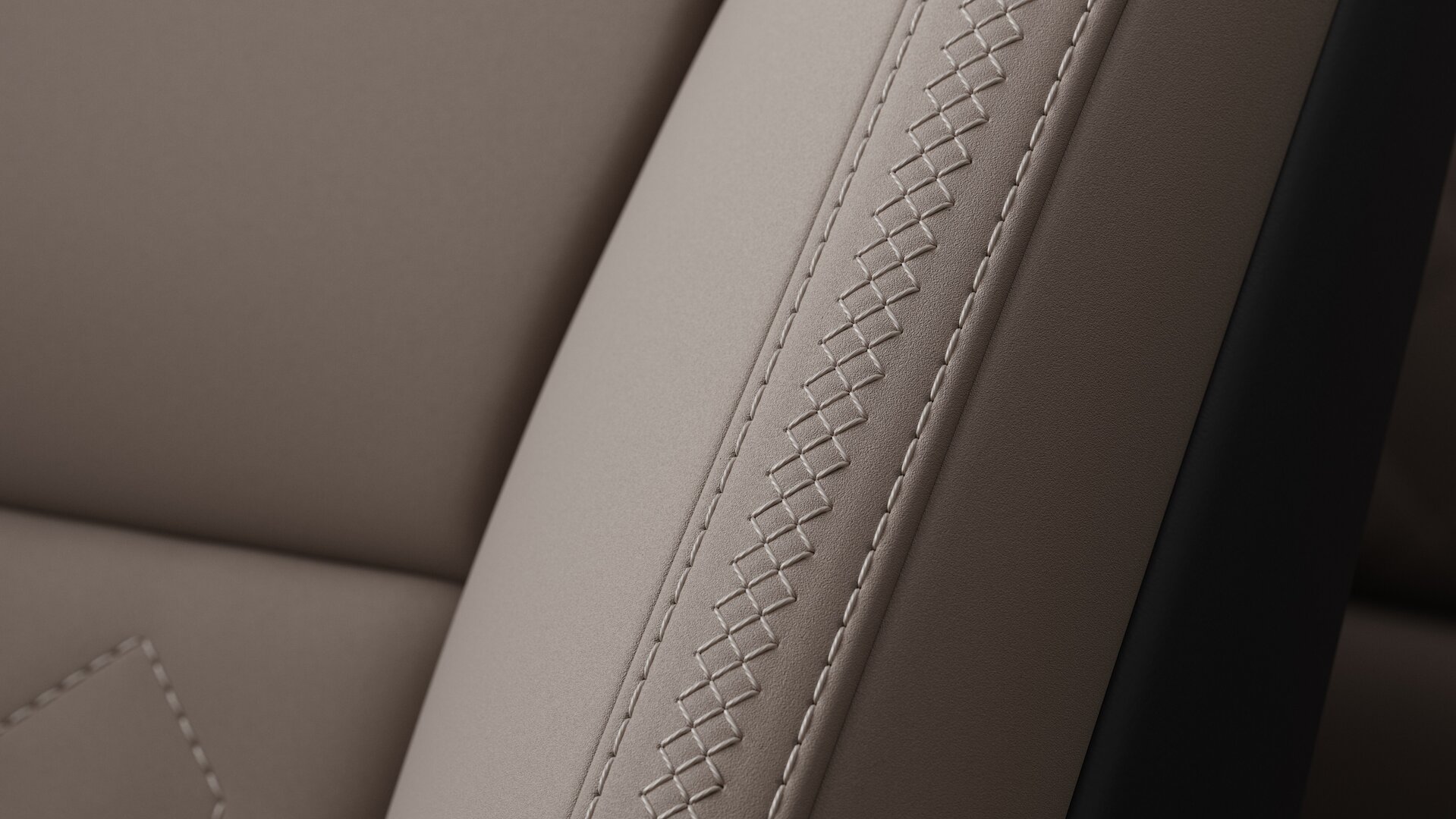
If there is one reason many American luxury shoppers end up loyal to Volvo after cross shopping German rivals, it often starts with seat comfort. Volvo has built a reputation for front seats that support rather than squeeze. Cushion shape tends to favor long distance comfort with thoughtful bolstering that does not punish broader body types.
Depending on trim and options, you may find multiple seat designs and upholstery choices across the lineup. Without asserting which specific seat construction will be standard or optional for every 2026 trim before official documentation is public, it is fair to say this: Volvo usually treats seating as a core brand value rather than a line item. If your commute involves real time behind the wheel or if you road trip often, this matters more than a half second difference in acceleration.
The rear seat experience tends to be adult friendly for this class, though compact luxury SUVs are still compact luxury SUVs; buyers coming from midsize crossovers will notice tighter knee room depending on front seat position.
Cabin calm and craftsmanship: restrained but not cheap
The modern luxury market sometimes confuses drama with quality. The XC60 takes another path: clean lines, airy design themes, and materials chosen to feel pleasant rather than flashy at first glance.
Materials: In well optioned trims you can expect genuine leather availability along with alternatives such as Volvo’s wool blend upholstery on certain models in some years (availability varies). Open pore wood trim has been a signature touch when equipped; it reads sophisticated because it looks like something selected by an interior designer rather than a marketing committee chasing gloss levels.
Build impression: The overall impression tends toward solid assembly with tight panel gaps inside and doors that close with a measured heft typical of premium vehicles in this price band. It does not try to mimic Mercedes’ ambient lighting theater or BMW’s aggressive cockpit vibe; it tries to make you exhale.
Does restrained design feel premium in America? Often yes, but context matters. Parked next to a highly optioned Mercedes Benz GLC with brightwork accents and bold interior lighting signatures, an XC60 can look almost conservative to casual observers. Yet conservative does not mean inexpensive; it means Volvo expects its buyer to notice texture quality and ergonomic thought rather than spectacle.
Infotainment and interface logic: Google built in strengths and frustrations
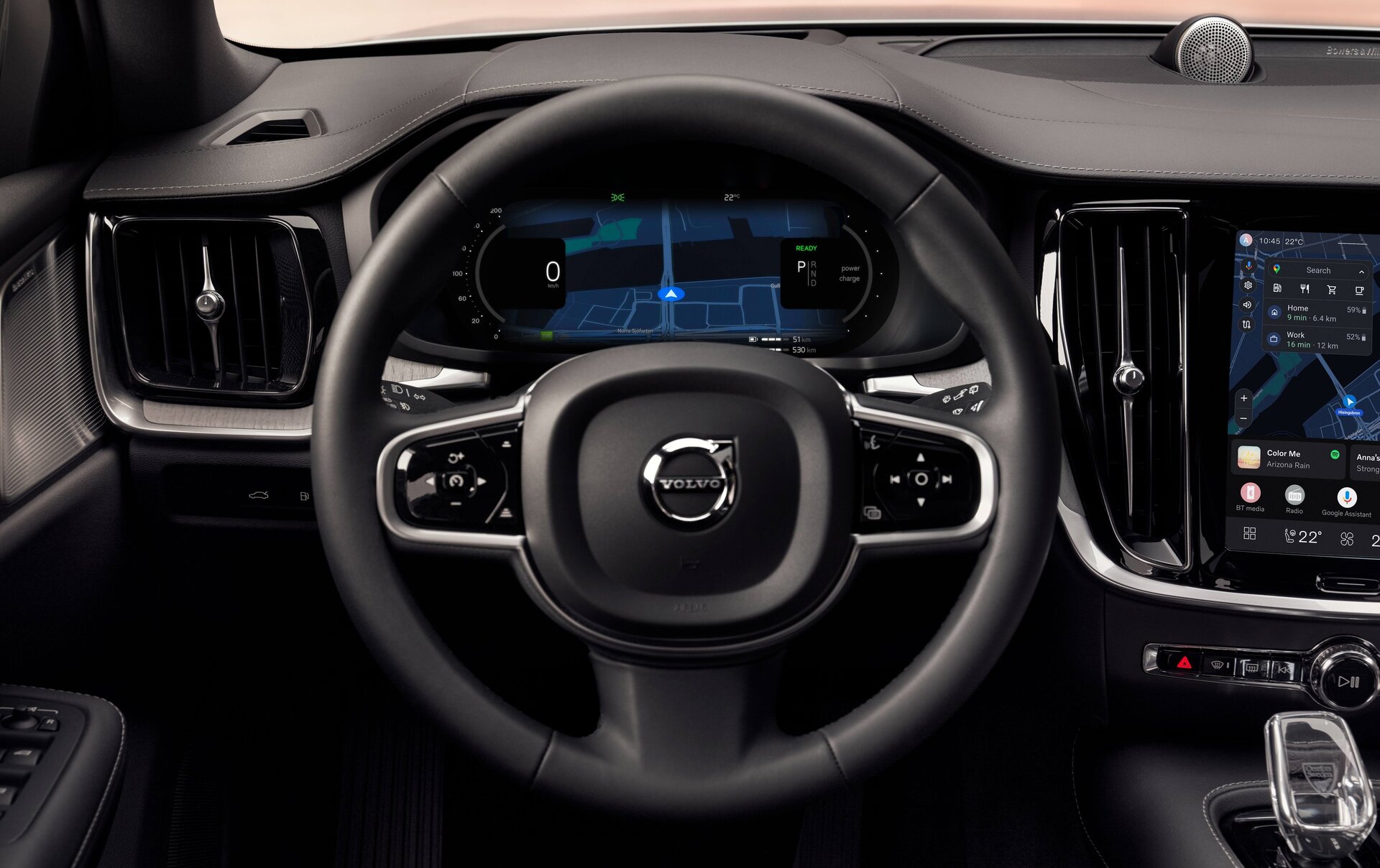
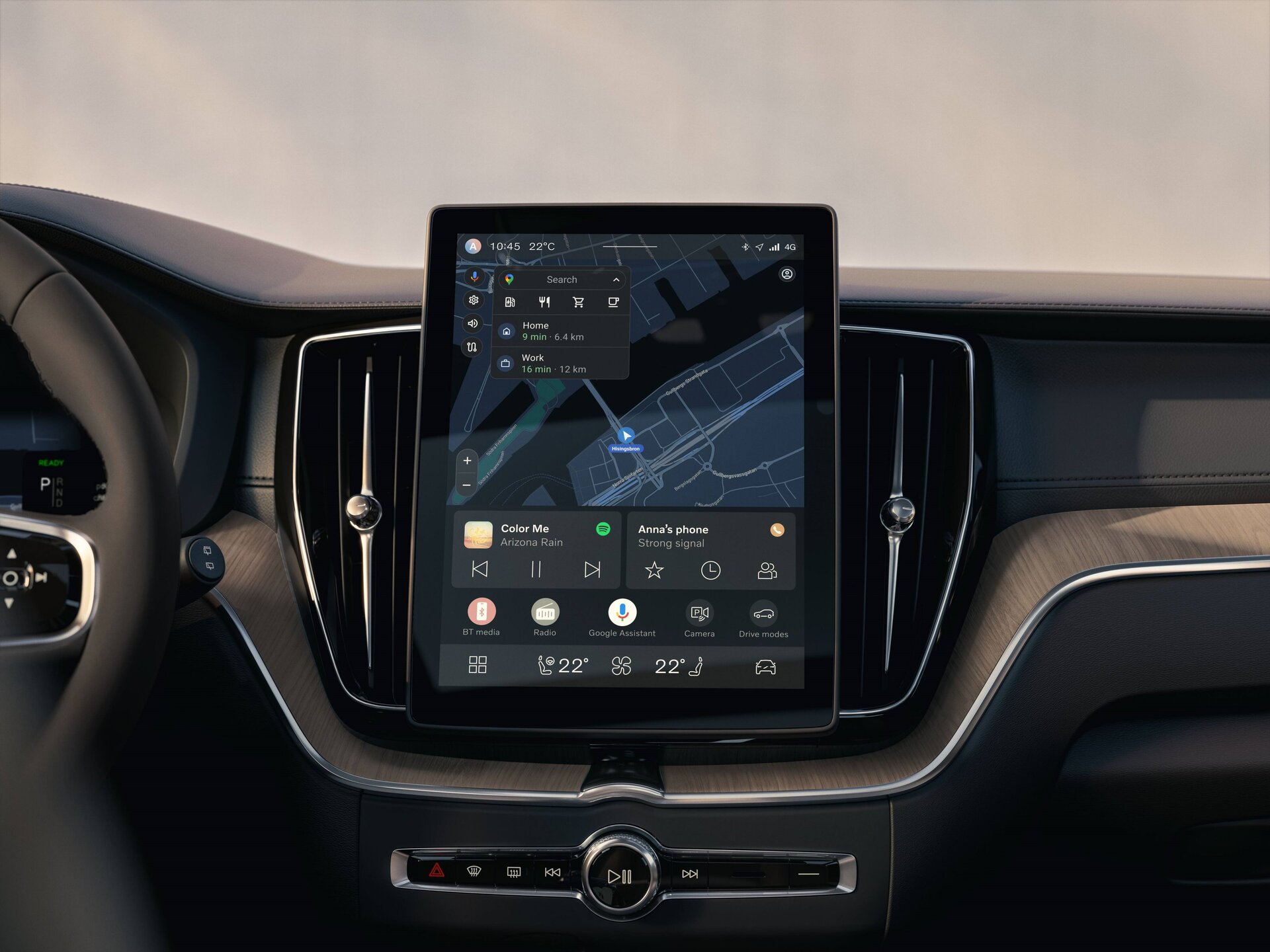
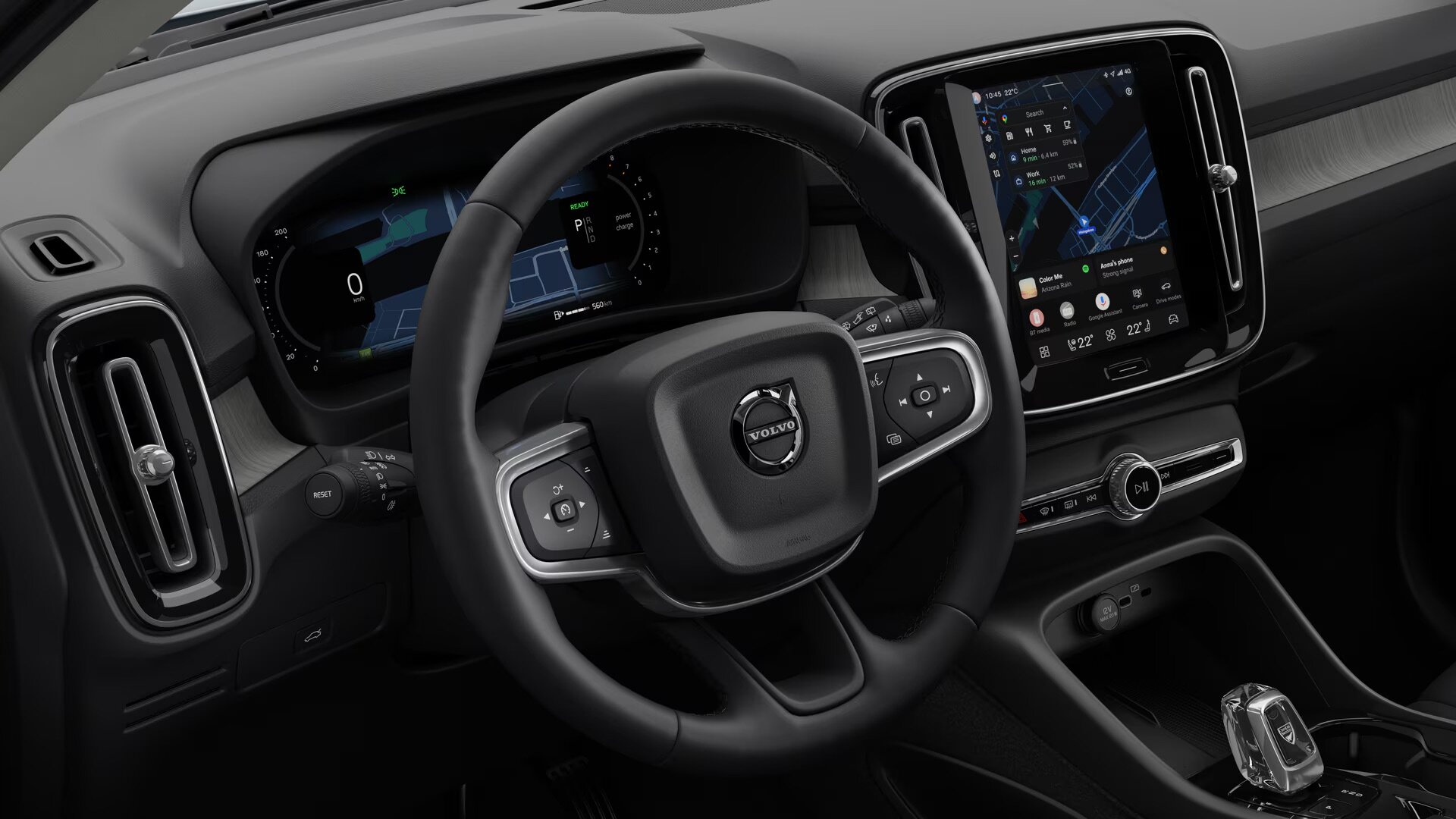
The XC60’s infotainment strategy shifted meaningfully when Volvo adopted Google built in on its newer generation interface (introduced during recent model years). This brings real advantages: Google Maps integration tends to be excellent for navigation clarity; voice commands can feel more natural than legacy systems; over the air update capability exists for many software functions depending on model year equipment and subscription status.
The downside is also familiar to anyone who lives with modern touch heavy cabins: too many core functions can end up inside menus when physical knobs would do better work faster.
What works well:
Navigation tends to be one of the best experiences in any mainstream luxury SUV when powered by Google Maps because traffic awareness and routing logic are strong by industry standards. Voice control usually reduces frustration if you actually use it instead of fighting touchscreen layers while driving.
Where patience gets tested:
Climate controls are commonly handled through the central screen interface rather than dedicated physical buttons across all functions. In real life that can mean extra attention demanded at precisely the wrong time: when lanes merge or weather turns ugly. Some drivers adapt quickly; others never fully forgive it because they bought Volvo partly for safety minded ergonomics.
If you are shopping against an Audi Q5 with its more traditional control layout (depending on model year) or even certain Lexus interfaces that keep more hard controls within reach, your preference here will be decisive.
Safety technology: confidence without constant nagging
No brand owns safety outright anymore; nearly every luxury automaker offers robust driver assistance suites with automatic emergency braking, lane keeping assistance, blind spot monitoring options, rear cross traffic alert features, and adaptive cruise control packages.
Volvo’s advantage is how naturally safety fits into its brand promise. The systems tend to feel like they were integrated by people who care about reducing fatigue rather than adding gadgetry points on a brochure.
This does not mean every intervention will suit every driver all the time; lane centering calibration preferences vary widely across brands and even across software updates within one brand family. Still, buyers who want assistance features that fade into the background most days will often find Volvo’s approach aligned with their taste.
A note of discipline: always verify which driver assistance features are standard versus optional on your chosen trim for 2026 because packaging changes year to year are common across the industry.
Cargo space and daily usability: practical enough, not class leading theater
The XC60 is sized correctly for many American households who want one vehicle that does school runs during the week and airport trips on weekends without feeling like they are piloting something oversized downtown.
Cargo volume figures vary slightly by measurement method across brands; Volvo publishes official numbers per model year that should be consulted once 2026 specifications are posted publicly. In practical terms, expect competitive space for strollers, carry ons, and Costco runs but not cavernous midsize SUV capacity.
The cabin storage story tends to be sensible: door pockets sized for bottles, usable center console space depending on shifter design and charging pad placement (which also varies by model year), plus rear seat folding flexibility typical of this segment.
The plug in hybrid ownership question: lifestyle fit matters more than badge value
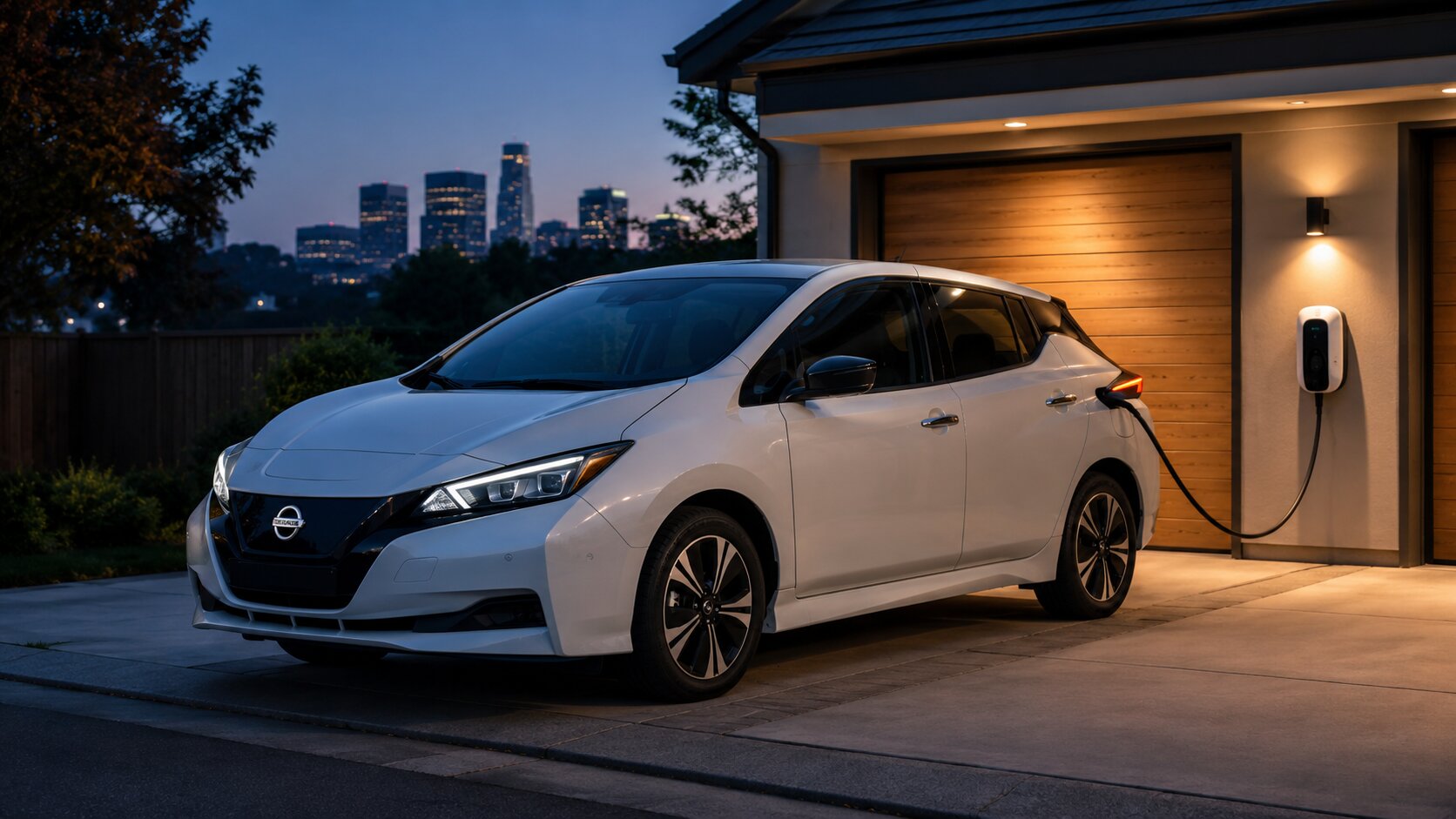
If your driving pattern includes frequent short trips under roughly 10 to 20 miles each way with home charging access (a garage outlet at minimum; Level 2 charging improves convenience), the plug in hybrid version of the XC60 can make compelling sense even if gasoline prices soften again next year.
You get quiet electric operation around town when charged plus strong combined output when merging onto fast highways or climbing grades with passengers aboard. The vehicle becomes two cars depending on whether you plugged in last night.
If you cannot charge consistently or if your typical day involves longer highway miles where EV range would be used up early anyway, many buyers will find the mild hybrid version simpler and more rational financially. Plug ins tend to cost more upfront; incentives vary; resale dynamics shift; none of those variables should be assumed without checking current local conditions at time of purchase.
Pricing reality check (what we know generally)
A precise MSRP breakdown for every 2026 XC60 trim cannot be stated here without confirmed pricing from Volvo’s official U.S. releases for that model year. Historically though, the XC60 competes in a price band overlapping well equipped versions of Audi Q5 and Mercedes Benz GLC four cylinder trims while undercutting some high performance variants once comparably equipped features are considered.
The plug in hybrid variant typically sits higher due to battery hardware and stronger performance potential. Buyers who assume they will “make it back” purely through fuel savings should run honest math based on their actual charging costs and driving distances rather than relying on generalized claims.
How it stacks up against key rivals
BMW X3: If steering feel and chassis response sit at the top of your priority list, BMW still tends to satisfy more directly. The Volvo counters with calmer ride tuning priorities and often more immediately comfortable seating for long stints.
Mercedes Benz GLC: Mercedes leads with ambience styling flair inside plus strong brand cachet among image conscious shoppers. The Volvo feels less performative but arguably more serene when configured thoughtfully (and especially if you avoid overly large wheels).
Audi Q5: Audi remains a natural cross shop because it also trades on understatement. Where Audi often emphasizes precision fitment aesthetics and taut Germanic control weighting, Volvo leans softer around the edges with an emphasis on relaxation rather than tension.
Lexus NX: Lexus brings strong perceived reliability reputation among many buyers plus efficient hybrids without plug in requirements depending on variant. The Volvo responds with European design restraint that feels less busy inside plus a plug in option that delivers meaningful electric range when charged regularly (verify final EPA range per model year).
Genesis GV70: Genesis offers high design drama per dollar inside plus generous feature content strategies relative to price positioning historically. Some buyers will prefer Volvo’s simpler interface philosophy even if both rely heavily on screens; others will find Genesis’ interior presentation more overtly luxurious at first glance.
The ownership lens: dealership experience, maintenance considerations, expectations
A luxury purchase includes everything around the car: service scheduling ease, loaner availability consistency by region, warranty coverage details at time of purchase, subscription costs tied to connected services over time.
This review cannot promise outcomes because dealer experiences vary widely market to market in America; some Volvo retailers operate at true premium standards while others feel like mainstream stores wearing nicer carpeting.
The practical point is simple: before committing, visit your local service department during business hours if you can. Look at how appointments are handled and ask direct questions about software update support practices since modern Volvos rely heavily on software stability over time.
Pros and cons
Pros
Excellent seat comfort reputation that suits long distance driving
Calm cabin ambiance with tasteful materials when properly optioned
Google built in navigation strengths (especially mapping clarity) relative to many rivals
Available plug in hybrid offers genuine performance potential plus meaningful EV only commuting capability based on established prior EPA figures
Safety oriented brand identity backed by comprehensive driver assistance availability (verify standard versus optional)
Cons
Tactile control lovers may dislike touchscreen dependence for key functions such as climate control
Driving engagement typically trails BMW benchmarks if sporty handling is your main goal
Restrained styling may read too subtle next to flashier rivals depending on personal taste
Plug in hybrid value depends heavily on charging habits; without regular charging benefits diminish
Final 2026 trim content details need confirmation once official U.S.-market order guides are released
Verdict: quiet luxury still has an audience
The 2026 Volvo XC60 makes its case quietly because that is exactly what it sells: quietness as luxury principle rather than mere noise reduction metric. It prioritizes human comfort over dashboard theater; it treats safety tech as something meant to reduce strain instead of adding novelty; it offers powertrains that cover both traditional ownership habits and electrified commuting patterns depending on what your life actually looks like Monday through Friday.
If your idea of premium involves being noticed first by strangers at stoplights, other badges do that job more eagerly. If your idea of premium involves stepping out after two hours feeling less tired than expected while surrounded by materials chosen with restraint rather than spectacle, an XC60 configured thoughtfully still feels properly upscale in America.
The smart shopping move is simple: confirm final 2026 trims and pricing once published; drive both powertrain types if available locally; pay close attention to wheel size choices; then decide whether calm counts as excitement enough for you.
Photo: Volvo Car USA

0 comments
Join the discussion around this article.
Please login to comment.