Where the Optiq Fits, and Why Cadillac Needs It to Land
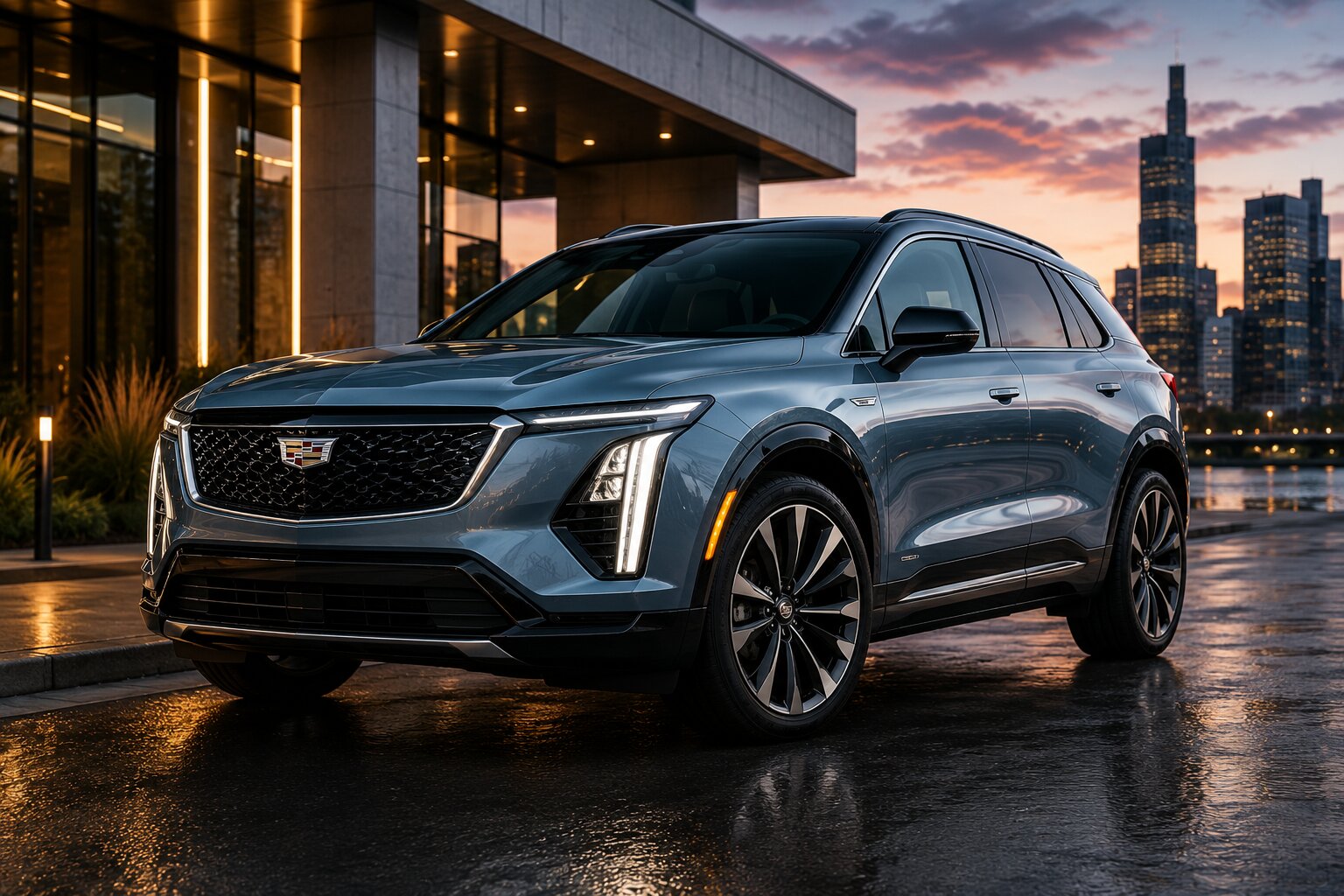
Cadillac’s modern EV story has been written in big strokes so far. The Lyriq established the brand’s Ultium-based electric crossover template, and the hand-built Celestiq sits above the conversation entirely. The 2026 Cadillac Optiq is the necessary middle chapter, a smaller luxury EV aimed at buyers who want the design and tech of a new Cadillac without the physical and financial footprint of the Lyriq.
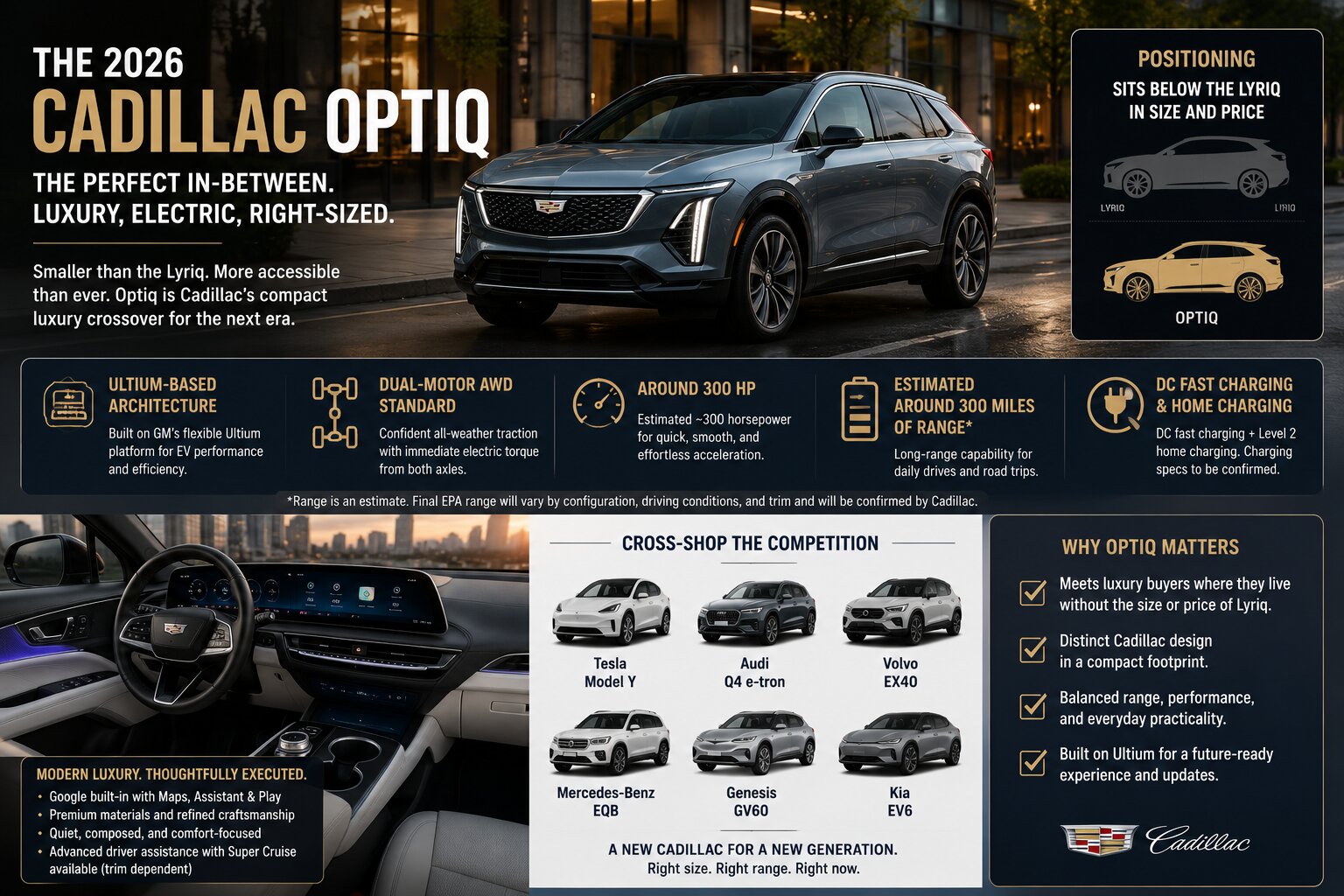
Based on widely published manufacturer information, Optiq is a compact electric crossover positioned below Lyriq in size and price. It shares General Motors’ Ultium architecture and is expected to be sold in the U.S. market for the 2026 model year (with earlier availability having been discussed in some contexts). What matters for shoppers is simpler: this is Cadillac’s bid to meet customers who are cross-shopping the Tesla Model Y, Audi Q4 e-tron, Volvo EX40 (formerly XC40 Recharge), Mercedes-Benz EQB, Genesis GV60, and the upper trims of mainstream compact EVs that can now brush against luxury pricing.
The challenge is not merely range or horsepower. It is perception. A small Cadillac has to feel like a Cadillac first and a compact crossover second. That means quietness, materials that read as expensive under your fingertips, seats that support you in real American commuting, and technology that feels considered rather than merely abundant.
Verified Basics: Platform, Powertrain, Range, Charging
Cadillac has publicly described Optiq as an Ultium-based EV with standard all-wheel drive using a dual-motor setup. The company has also published an estimated range figure of around 300 miles for Optiq (Cadillac has referenced an estimate rather than a final EPA rating in early communications). Final EPA range can vary by wheel and tire choice, temperature, speed, and trim details, so treat any early number as directional until official EPA certification is released for the exact 2026 configurations.
Power output has been discussed by Cadillac in the neighborhood of 300 horsepower for Optiq’s dual-motor system. As with many EVs, torque delivery is immediate and calibration matters as much as peak numbers. If you are comparing spec sheets, remember that rivals quote power differently across trims. A Tesla Model Y Long Range is not marketed primarily by horsepower at all, while vehicles like the Genesis GV60 span a wide performance range depending on version.
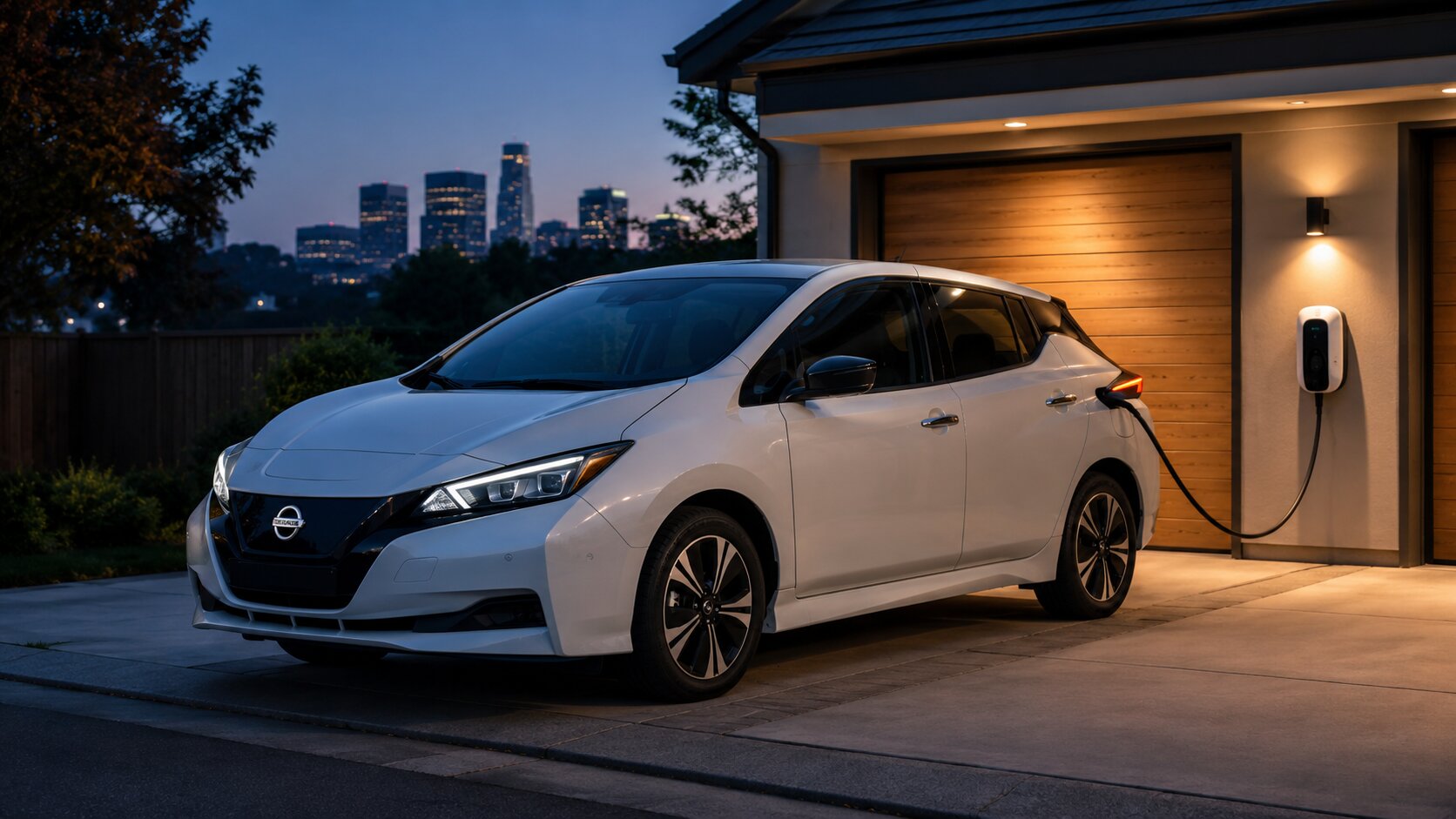
Charging details are where buyers will ask practical questions. GM’s Ultium vehicles generally support DC fast charging and home Level 2 charging; exact peak DC charging rates for Optiq have been communicated in various previews but are best confirmed from final Cadillac specifications for the 2026 U.S. model. If you are shopping this segment seriously, insist on the official charging curve information or at least published peak kW figures from Cadillac once ordering guides are live. Peak numbers alone do not tell you how quickly a vehicle adds real miles over a typical stop.
One more important point for U.S.-market ownership: GM has been transitioning its EV strategy toward wider access to Tesla’s North American Charging Standard (NACS) through adapters and future native ports depending on model-year timing. The exact Optiq implementation can depend on production timing and configuration. If charging network access is central to your decision, verify whether your specific Optiq build uses CCS with an adapter strategy or a native NACS port when final ordering information is available.
Design: A Smaller Crossover That Tries to Look Tailored
Cadillac design has been on a strong run when it leans into clean surfaces and crisp lighting signatures rather than busy creases. Optiq follows that contemporary Cadillac approach. In photos and official imagery, it reads as more fashion-forward than utilitarian, with lighting elements that aim to look precise at night and body proportions that avoid the tall, narrow stance that can make small crossovers feel economy-car adjacent.
In this class, styling is not just vanity. It affects how “luxury” lands when you pull up to a restaurant or valet stand. The Tesla Model Y remains common enough that it can disappear into traffic; it also prioritizes aerodynamic simplicity over ornamentation. The Audi Q4 e-tron leans conservative and tidy. Volvo’s EX40 projects Scandinavian restraint. Optiq’s job is to look unmistakably Cadillac without looking like it borrowed its attitude from a larger SUV.
Wheel designs and paint choices will do a lot of work here depending on trim and options. Smaller vehicles are sensitive to wheel diameter visually; too small looks rental-spec, too large risks ride harshness. Until final U.S.-market trim walk details are published broadly for 2026, consider holding judgment on stance until you see dealer inventory in person.
Cabin First Impressions: Does It Feel Cadillac Enough?
The most important question for Optiq is not whether it has screens; every rival has screens. The question is whether the cabin feels composed in a way that suggests premium engineering rather than merely premium pricing.
Cadillac has been moving toward large-format displays with Google built-in across several models (a Google-based infotainment system that integrates Google Maps and Google Assistant functionality). That approach tends to be strong for navigation usability and voice commands in typical daily use, even if some buyers still prefer phone mirroring habits from Apple CarPlay or Android Auto. GM’s recent direction has been to emphasize integrated Google-based systems in its EVs rather than traditional smartphone mirroring in certain models; shoppers should confirm what Optiq offers in its final U.S.-spec configuration because this topic can influence purchase decisions more than many brands admit.
Screen ergonomics matter as much as size. A good luxury interface reduces cognitive load: clear fonts, logical climate access, minimal menu diving for frequent tasks. When interfaces get too clever, they age quickly. If Optiq follows Cadillac’s current UI philosophy, expect crisp graphics and strong mapping integration; also expect that some controls may be screen-based where older Cadillacs would have used hard keys.
Material quality will be judged ruthlessly at this price point because rivals have raised their game. Audi still sets a benchmark for tight assembly feel even when some plastics disappoint below eye level. Volvo trades traditional richness for clean design but usually nails seat comfort. Mercedes-Benz sells ambiance aggressively through lighting themes and glossy surfaces that some buyers love and others find fussy over time. Cadillac needs Optiq to feel honest: surfaces that do not creak under pressure, trim pieces aligned cleanly around vents and screens, door panels with real padding where elbows rest during long commutes.
Seats, Comfort, and Daily Use: The Luxury Test Happens at 7:30 a.m.
A compact luxury EV lives or dies by its seats and its ride calmness because many owners will use it as an everyday commuter with occasional weekend travel. Cadillac traditionally does well with front-seat comfort when it focuses on cushioning and support rather than aggressively sporty bolstering.
Optiq’s seating details will vary by trim level and option packages (heated and ventilated seats often become key differentiators). Without pretending to have driven a specific 2026 production vehicle, it is still fair to outline what buyers should check on a test sit: thigh support length for taller drivers; lumbar adjustability that does not feel abrupt; headrest position that supports rather than pushes; rear-seat knee room behind an adult driver; seatback angle in back seats for longer rides.
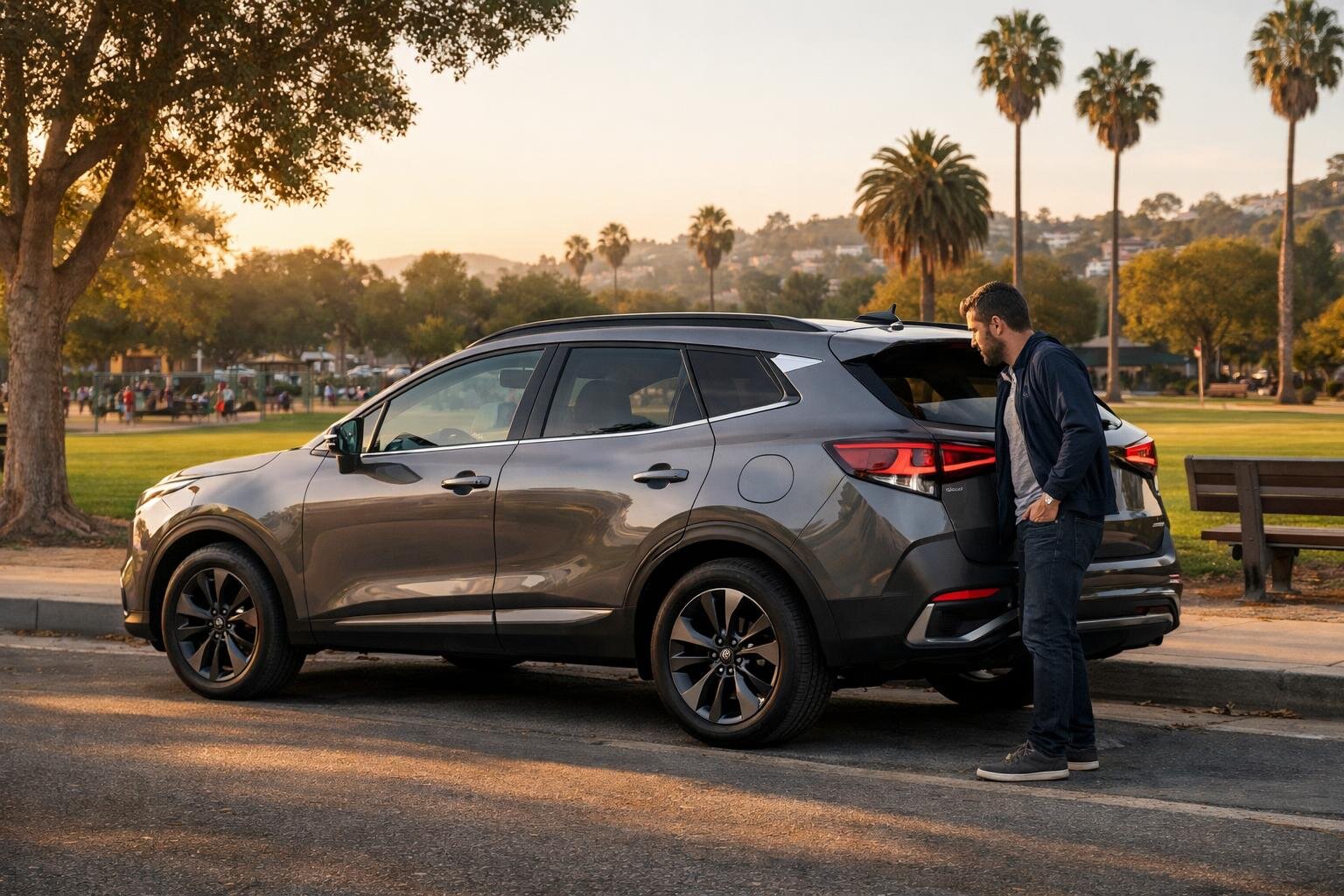
Visibility deserves special attention in this segment because small crossovers often combine high beltlines with thick pillars for crash structure and styling drama. That can make city driving tiring if shoulder checks feel compromised. When you evaluate Optiq against something like an Audi Q4 e-tron or Volvo EX40, pay attention to rear-quarter visibility and how quickly you can place the corners of the vehicle when parking near curbs.
Cargo practicality matters too because “small luxury” often becomes “only car.” Official cargo volume figures should be referenced from Cadillac’s final specifications once published for 2026 U.S.-market vehicles; do not rely on early estimates if you have specific needs like strollers or large suitcases. Also check whether there is underfloor storage for charging cables because keeping those out of sight makes daily life feel tidier.
Ride Calmness and Cabin Quiet: What You Should Expect
Luxury buyers tend to describe ride quality emotionally before they describe it technically: calm, settled, unbothered. EVs help because they remove engine vibration from the equation, but they also introduce new noise sources such as tire roar on coarse pavement and wind noise around mirrors at highway speed.
If Optiq follows the tuning philosophy seen in other modern Cadillacs, expect an emphasis on isolation rather than sharp-edged sportiness. That would place it closer in spirit to Volvo’s comfort-forward approach than to some sport-oriented calibrations found in certain German competitors.
The risk in compact EV crossovers is wheel-and-tire selection. Large wheels can look right but add impact harshness over broken pavement. Smaller wheels can improve compliance but may undercut visual presence. For many buyers who value quietness above all else, choosing the smallest wheel offered with an appropriate tire sidewall can be the most “luxury” decision available.
Another factor is low-speed ride behavior over expansion joints and patched asphalt where some EVs feel busy due to weight distribution and suspension tuning choices aimed at handling response. This is where test drives should include imperfect roads near your home rather than only smooth dealer routes.
Performance Character: Dual-Motor Confidence Without Needing Drama
A roughly 300-horsepower dual-motor setup suggests performance that should feel brisk in normal use: quick merges, decisive passing at suburban speeds, confident traction in rain or light snow depending on tires.
The best luxury EVs deliver speed without theatrics. Throttle mapping should be predictable at parking-lot speeds so the vehicle does not lurch when you are easing into a tight spot or creeping in traffic. Steering should be accurate without feeling artificially heavy; brake blending between regeneration and friction brakes should be smooth enough that stop-and-go driving feels natural within minutes rather than requiring acclimation over weeks.
If you come from a Tesla Model Y, you may notice differences less in raw acceleration than in calibration choices: pedal response tuning; how strongly one-pedal driving behaves; how stable the vehicle feels mid-corner over uneven pavement; how quietly it goes about its work at highway speed.
Technology: Google Built-In Strengths, Plus Real-World Ergonomics
A modern luxury cabin lives at the intersection of software competence and physical usability. Google built-in tends to deliver excellent navigation integration because routing logic can be strong and map presentation clear. Voice recognition generally works well for common tasks like setting destinations or adjusting cabin temperature if those functions are supported through voice commands.
The question becomes how Cadillac handles redundancy: Are there quick-access controls for defrost? Can you adjust fan speed without hunting? Are steering-wheel controls intuitive? Do you have clear information about energy use without cluttering the display?
This segment also expects advanced driver assistance features depending on trim level. Cadillac’s Super Cruise system has been a brand hallmark where offered (a hands-free driver assistance feature usable on compatible mapped highways with driver attention monitoring). Whether Super Cruise is available on Optiq across trims should be confirmed from official 2026 ordering information; availability can change by model year and packaging strategy.
The Competitive Set: Where Optiq Could Shine (and Where It Must Catch Up)
The compact luxury EV space is crowded with vehicles that each have one or two defining strengths:
Tesla Model Y: Still sets expectations for charging ecosystem convenience (depending on configuration), efficiency reputation among owners, software cadence, and cargo practicality relative to footprint. Interior richness is not its calling card; material warmth often trails traditional luxury brands.
Audi Q4 e-tron: Familiar premium-brand experience with generally solid build quality cues; tends to feel traditionally “Audi” inside even if some plastics remind you it sits below Q8 territory.
Volvo EX40: Strong seat comfort reputation and clean design ethos; tends to prioritize safety culture and everyday ease over flash.
Mercedes-Benz EQB: Offers brand cachet and optional third-row packaging in some configurations historically associated with EQB (verify current-year availability), though space constraints make any third row best suited for occasional use.
Genesis GV60: A more style-forward alternative with strong performance variants available; cabin design can feel special for the money depending on trims.
If Optiq delivers true Cadillac quietness with convincing materials while keeping range competitive around the widely discussed 300-mile estimate (again subject to EPA confirmation), it could become one of the more balanced choices here. If it misses on cabin richness or ride composure, shoppers may default back to familiar names even if those rivals do not feel particularly inspired.
Ownership Reality Checks: What Buyers Will Ask Before Signing
Luxury ownership includes small frictions that do not show up on spec sheets:
Dealer experience: Cadillac dealers vary widely in EV fluency depending on region. Some stores have embraced EV delivery education; others still treat it like another trim level on an existing model line. A good delivery walkthrough matters because settings such as charging limits (for battery longevity habits), driver-assistance preferences, phone pairing workflow, and navigation setup affect day-to-day satisfaction quickly.
Tires: Compact luxury EVs often run expensive tire sizes when fitted with large wheels or performance-oriented compounds. Even if you never chase handling limits, budget-minded owners notice replacement costs sooner than expected due to EV torque characteristics accelerating wear when driven aggressively.
Software updates: Buyers increasingly expect meaningful updates over time rather than static infotainment behavior from day one. GM has been building out its software ecosystem across models; verify what update capability looks like for your specific vehicle once details are published plainly by Cadillac.
Pros and Cons (Based on Available Information)
Pros
Standard dual-motor all-wheel drive positioning suggests confident all-weather usability for many U.S. buyers.
Around-300-mile estimated range target (pending EPA confirmation) places it squarely where mainstream expectations now sit for this class.
Cadillac design language translates well to smaller proportions when executed cleanly.
Google built-in infotainment can be genuinely useful day-to-day for navigation-heavy drivers who want integrated mapping rather than constant phone reliance.
Cons
Final EPA range ratings, charging performance details (including peak kW), and some key packaging questions may remain uncertain until full 2026 U.S.-market specifications are published clearly.
If smartphone mirroring support differs from what some buyers expect (depending on GM’s final implementation), it could be a sticking point for shoppers accustomed to Apple CarPlay or Android Auto workflows.
This segment punishes any hint of cost-cutting inside; Optiq must deliver tactile richness beyond what mainstream compact EVs now offer at similar prices.
Verdict: Small Luxury Done Right Is Harder Than Big Luxury
The 2026 Cadillac Optiq arrives into one of the most unforgiving slices of today’s market: compact luxury EVs priced high enough that expectations soar but sized small enough that every compromise becomes obvious within days of ownership. Based on widely reported manufacturer positioning so far, its core promise is appealing: standard dual-motor all-wheel drive, an estimated roughly 300 miles of range pending EPA confirmation, modern Cadillac design confidence outside, and an infotainment strategy built around integrated Google functionality inside.
If Cadillac nails cabin execution such as seat comfort across body types, calm ride tuning on imperfect American pavement, real quiet at highway speeds where tire roar usually intrudes first, then Optiq could become the kind of car people recommend quietly after living with it rather than merely admiring online. That would make it more dangerous to rivals than any single headline number ever could.
The advice for shoppers is straightforward: wait for final U.S.-market specs before treating early numbers as gospel; then judge Optiq like a luxury product first. Sit in it longer than five minutes. Touch everything you touch every day: window switches, steering-wheel buttons, door pulls, seat controls if they are present physically versus digitally controlled through screens (depending on trim). Drive it over rough roads near home if possible. In this class especially, luxury is not declared by badges or screen inches; it is felt in how little effort the car asks of you after a long week.

0 comments
Join the discussion around this article.
Please login to comment.