What we can verify first (and what we cannot)
The 2026 Genesis GV80 sits in a tricky editorial spot right now. Genesis has kept the GV80 in market since the 2021 model year, and the core mechanical facts are well established. At the same time, model year specifics for 2026 can vary by timing, trim strategy, and mid cycle updates that may not be fully published when you are shopping. So this review leans on widely reported, long running GV80 fundamentals and flags any item that is not confirmed for 2026 by official U.S. specifications.
Verified, widely known GV80 fundamentals include: it is a midsize luxury SUV sold in the U.S. with two rows or an available third row depending on configuration; it has been offered with a turbocharged 2.5 liter inline four and a twin turbocharged 3.5 liter V6; it uses an eight speed automatic transmission; all wheel drive has been widely available across the lineup; and towing capacity has been marketed at up to 6,000 pounds when properly equipped (historically tied to the 3.5T). Genesis also offers an “Advanced” suite of driver assistance features and a cabin design that prioritizes quietness and materials as brand calling cards.
Items that can shift year to year include exact feature packaging, screen size and layout revisions, wheel and tire offerings, EPA fuel economy ratings by trim, and pricing. For those, treat this as guidance based on the GV80’s established positioning and typical U.S. spec patterns, then confirm your exact build on Genesis’ configurator or window sticker.
Where the GV80 fits in America’s luxury SUV hierarchy
The GV80 is aimed squarely at the heart of the premium midsize SUV class, where buyers cross shop BMW X5, Mercedes Benz GLE, Audi Q7, Lexus RX and TX depending on seating needs, Acura MDX, Volvo XC90, and increasingly the electrified set that includes BMW iX and Mercedes EQE SUV. The Genesis pitch is not raw brand prestige or motorsport heritage. It is calm. A sense of hush at speed, soft surfaces where your hands land, design that reads expensive without looking loud, and a value story that often stacks features against German rivals at a lower MSRP.
That value angle is real for many shoppers, but it comes with its own expectations. Premium buyers are not only buying leather and screens. They are buying consistency: dealership experience, service convenience, software polish, and the subtle confidence that every switchgear click feels intentional after the honeymoon week ends. The GV80 can be excellent at the big impressions while still being judged on the small ones.
Design: handsome without trying too hard
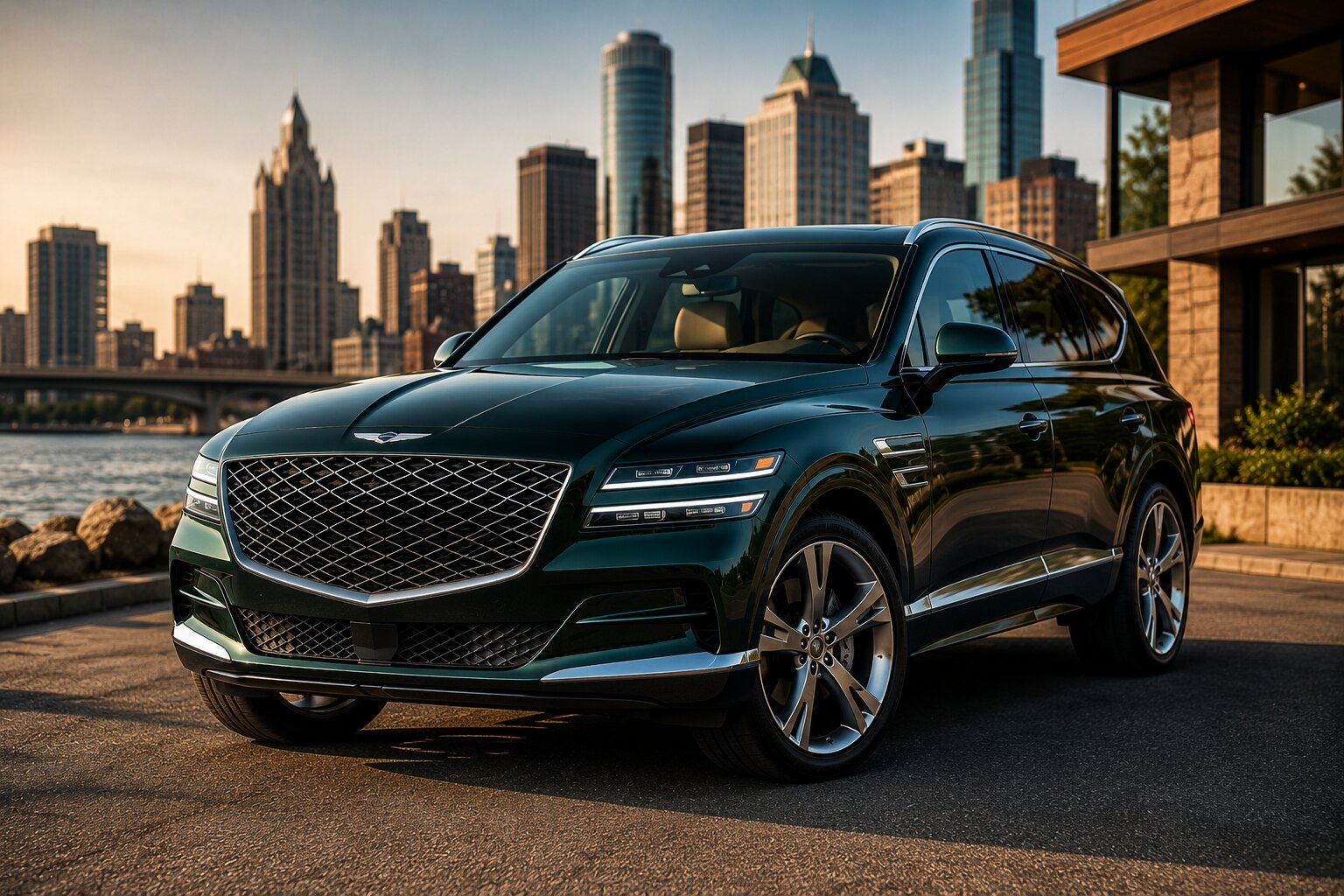
The GV80’s exterior design language has aged well because it does not chase extremes. The signature quad lamp theme gives it identity without resorting to oversized grilles for shock value alone. Proportions matter more than graphics in this segment, and the GV80 tends to look properly upscale in traffic. It also reads distinctly “Genesis” now rather than “Korean alternative,” which is not a small achievement in a class where badge equity still carries weight.
Depending on trim and wheels, you can push it toward athletic or more traditional luxury. The risk with some competitors is that sport packages bring visual drama but also harsher ride tuning or louder tires. With the GV80, the styling generally stays compatible with its core mission: quiet comfort.
Cabin craftsmanship after a week: where premium calm is earned
Genesis interiors often impress on first contact because they understand surfaces. The GV80 typically puts stitched materials high on the dash and doors, uses tasteful metal look trim in key areas, and avoids the brittle plastics that can undermine an expensive cabin when you start living with it. The overall aesthetic leans modern but not sterile.
The more telling question is how it feels after days of commuting: do you still like touching everything? In typical daily use, that comes down to three things: seat comfort over time, noise isolation at highway speeds, and how often you find yourself annoyed by tech interactions.
Materials: The GV80’s material strategy is generally strong for its price class. Where rivals like BMW can feel impeccably engineered but occasionally austere in base trims, Genesis tends to make even mainstream trims feel richly appointed. Lexus remains a benchmark for perceived durability of switchgear over years, but Genesis has closed much of the gap in tactile quality.
Seats: Seat comfort is one of the GV80’s quiet strengths when configured well. Cushioning usually skews plush rather than aggressively bolstered. That suits long highway stints and fits the vehicle’s personality better than sport seat theatrics. As always in this segment, your best move is to spend real time in the seat before signing papers because seat shape can be polarizing across body types.
Storage and usability: Premium calm is also about where you put your phone, how cupholders are positioned, whether door pockets hold real bottles without rattling, and whether wireless charging pads actually grip devices instead of letting them slide during turns. These are small details that separate “luxury looking” from “luxury living.” Exact layouts can change with updates; check your specific trim for storage solutions that match your daily routine.
Screens and ergonomics: big displays are easy to love and easy to overdo
The title promise here is “big screens,” and yes: modern GV80s have leaned into wide display real estate for infotainment and digital instrumentation (exact sizes depend on model year updates). Big screens sell cars on dealer lots because they photograph well; they also test whether a brand understands ergonomics.
The best luxury systems let you do common tasks without breaking your posture or attention pattern: adjust temperature quickly; change audio sources; toggle seat heat or ventilation; set navigation; answer calls; all with minimal menu diving. If those functions require repeated taps through glossy menus while driving over broken pavement, calm evaporates quickly.
Genesis has historically mixed touchscreen interaction with physical controls in many models. That approach tends to age better than pure touch because climate control remains something you adjust by feel in real traffic. When shopping a 2026 GV80 specifically, confirm whether your desired trim retains physical shortcuts for climate and audio or pushes deeper into touch based controls.
Camera quality: The GV80’s available surround view camera system has been part of its premium toolkit for years. Camera clarity matters because once you have used a truly sharp 360 degree view in tight garages or crowded school pickup lines, mediocre resolution feels like a step backward. Genesis has generally been competitive here versus Acura MDX and Lexus RX class systems; Mercedes can still set a high bar on image processing depending on model and option packages.
Noise isolation: luxury’s most honest metric
A quiet cabin is one of those attributes that does not show up on spec sheets but defines satisfaction over months. The GV80’s reputation has leaned strongly toward isolation from road noise and wind noise in typical highway driving. That aligns with its positioning as an alternative to sport first German SUVs.
Still, there are variables buyers should take seriously:
Tires: Wheel size and tire type can change cabin noise dramatically. Larger wheels often look great but bring thinner sidewalls that transmit impacts more sharply and sometimes generate more road roar on coarse asphalt.
Engine choice: A four cylinder turbo can be efficient enough for daily use but may sound busier under load than a six cylinder when climbing grades or merging briskly. If serenity matters most to you and your budget allows it, many buyers will prefer the smoother effortlessness of the twin turbo V6 even if it costs more up front.
Glass and sealing: Luxury brands differentiate themselves with acoustic glass choices and sealing details around mirrors and door frames. Genesis has taken this seriously across its lineup; verify whether acoustic laminated glass is standard or optional on your trim if this is a priority.
Powertrains you can count on (based on established U.S.-market offerings)
The GV80 has long been offered with two main engines in the U.S., paired with an eight speed automatic transmission:
2.5T inline four: A turbocharged 2.5 liter four cylinder rated at 300 horsepower in prior U.S.-spec years (widely published). It provides adequate acceleration for daily driving in this class while keeping entry pricing lower than six cylinder rivals.
3.5T V6: A twin turbocharged 3.5 liter V6 rated at 375 horsepower in prior U.S.-spec years (widely published). It better matches the GV80’s size and luxury intent because it delivers stronger passing power with less strain.
Torque figures exist publicly for prior years (the 2.5T has been listed at 311 lb-ft; the 3.5T at 391 lb-ft), but because year specific certification data can shift slightly with calibration changes or packaging updates, confirm those numbers for 2026 via official Genesis specifications if they matter to your decision.
Fuel economy reality: competitive enough but not class leading
EPA fuel economy ratings vary by engine choice, drivetrain configuration, wheels, and sometimes seating configuration. Historically, the four cylinder has delivered better EPA numbers than the V6 as expected; neither has been positioned as a hybrid efficiency leader because there has not been a conventional hybrid GV80 powertrain offered in the U.S. as part of its mainstream lineup (as of widely known information through recent model years). If fuel economy is central to your purchase calculus, you will likely cross shop Lexus RX hybrids or plug in options from Volvo or BMW depending on segment fit.
The practical advice is simple: if you drive mostly highway miles at steady speeds, either engine may feel acceptable from an operating cost perspective depending on fuel prices; if you do frequent short trips with heavy stop-and-go traffic, efficiency differences become more noticeable over time.
Towing capacity: confidence matters more than maximum numbers
The GV80 has been advertised with towing capability up to 6,000 pounds when properly equipped (historically associated with the 3.5T). That number puts it in credible territory versus many midsize luxury SUVs; some rivals match or exceed it depending on engine selection.
Towing confidence is not only about rating though. It is about stability at speed, brake feel under load, cooling capacity management during climbs (not always transparent to shoppers), mirror visibility, hitch integration quality, and how well driver assistance features behave when weight changes dynamics.
If towing is part time rather than constant work duty, many owners will find that having sufficient reserve power from the V6 makes towing feel less stressed even if they rarely approach maximum ratings.
Ride quality: comfort first with an eye on control
The GV80’s mission suggests a ride tuned for compliance rather than sharp turn-in theatrics. In this segment that can be a virtue because many buyers simply want their SUV to feel unflappable over expansion joints while staying composed through long sweepers.
A BMW X5 still tends to be the dynamic reference point when it comes to steering precision and chassis discipline; it communicates more clearly through controls if you enjoy driving for its own sake. The tradeoff is that some X5 configurations can feel firmer than necessary for buyers who prioritize softness above all else.
The Mercedes Benz GLE often targets plushness too but can vary widely by suspension choice and wheel package; some trims glide beautifully while others feel busy over broken surfaces due to tire choices rather than fundamental chassis tuning.
The GV80 generally aims for that middle ground: relaxed damping with enough body control to avoid floatiness in normal use. If you are sensitive to ride harshness, pay close attention to wheel size when selecting trim because it can make or break daily satisfaction more than most people expect during a short test drive loop near a dealership.
Steering and braking: luxury expectations are different from sport expectations
A luxury specialist lens cares less about ultimate cornering grip than about consistency: linear brake response in traffic; steering effort that feels natural during parking maneuvers; no odd pedal grab at low speeds; no artificial heaviness designed purely to signal “sport.”
The GV80 tends to prioritize ease over edge. For many buyers that reads as refinement rather than disengagement. If you are coming from an older hydraulic steering setup or from BMW’s sharper calibration philosophy, you may find Genesis’ approach calmer but less talkative through your fingertips.
Cruising assist tech: helpful when tuned well
Genesis offers a comprehensive set of driver assistance features under its safety suite umbrella (names vary by year). Features such as adaptive cruise control with lane centering have become table stakes among premium brands; what separates them now is tuning quality.
A well tuned system reduces fatigue without feeling twitchy between lane markings or overly cautious around gentle curves. A poorly tuned system nags constantly or makes small corrections that create tension instead of calm.
I cannot claim specific hands-on behavior for a 2026 calibration without verified testing data or official updates from Genesis describing changes year over year. What shoppers should do instead is take an extended test drive on highways similar to their daily routes and evaluate lane centering smoothness along with how quickly adaptive cruise responds when another vehicle cuts in front.
Third row reality check: occasional use versus true family duty
The GV80 has offered three row configurations historically (availability depends on trim). In most midsize luxury SUVs that start life as two row designs first, third rows tend to be best treated as occasional seating for children or short trips rather than adult friendly accommodations for hours at a time.
If third row comfort is non negotiable for your household schedule, vehicles designed around three rows from day one often do better: Audi Q7 packaging can be respectable; Acura MDX makes smart use of space; Volvo XC90 remains popular for its airy cabin even if its third row still favors smaller passengers.
Cargo space behind the third row also matters more than brochures suggest because strollers and sports bags do not compress politely around seatbacks. Verify cargo volume figures from official sources for your exact configuration since two row versus three row layouts change usable space significantly.
The details that make or break premium calm
This is where luxury ownership becomes personal after seven days rather than seven minutes on a test drive route.
Switchgear feel: Buttons should click cleanly without wobble; rotary knobs should turn with damped resistance rather than light plastic friction; stalks should move precisely without creakiness over bumps.
Cabin squeaks: Any interior can develop minor noises over time depending on climate swings and road conditions; premium brands differentiate themselves by minimizing them early through tight assembly tolerances and thoughtful material interfaces.
Scent and finish consistency: Some cabins smell expensive because materials off-gas less harshly; others smell like adhesives under heat after sitting outside all day. This sounds subjective but owners notice it quickly in summer climates across America.
Piano black trim: If your chosen configuration includes glossy black surfaces around touch points such as center consoles or window switches area(s), expect fingerprints and micro scratches over time unless you are meticulous about cleaning technique (and most people are not). Many luxury buyers now actively avoid piano black because it undermines “calm” through constant visual clutter under sunlight.
Ownership context in the U.S.: value story meets premium expectations
The Genesis brand has built momentum quickly in America by offering strong feature content relative to price while presenting itself like an established luxury marque. That strategy works best when dealership experience keeps pace with product ambition because premium customers tend to have low tolerance for service friction once they have paid luxury money.
I cannot make claims about your local dealer quality because experiences vary widely by market size and retailer investment levels. Still, it is sensible due diligence to visit service facilities before purchase if you plan to keep the vehicle beyond warranty coverage periods typical of lease cycles (and yes many premium buyers still lease).
Rival comparisons that matter (subtle but decisive)
Versus BMW X5: The X5 remains one of the most cohesive driver focused SUVs in this class with strong powertrain options including electrified variants depending on year range (such as xDrive50e plug-in hybrid). If you value steering precision and performance breadth more than serene isolation above all else, BMW often wins hearts despite higher option pricing pressures.
Versus Mercedes Benz GLE: Mercedes trades heavily on brand heritage plus an unmistakable interior vibe when optioned well. Some GLE cabins feel spectacularly plush; others can disappoint if spec’d sparsely relative to price tags typical at dealers today. The Genesis often offers a more consistent sense of richness per dollar spent.
Versus Audi Q7: Audi brings clean ergonomics when executed well plus understated design discipline outside and inside. Q7 packaging favors families who truly use three rows occasionally but want adult friendly access compared with some competitors’ tighter third rows. Genesis counters with bolder cabin ambiance and strong perceived value depending on equipment levels.
Versus Lexus RX (and TX): Lexus sells trust built over decades plus hybrid efficiency leadership in its core lineup categories. RX remains two row focused while TX addresses three row needs more directly depending on model year availability within Lexus’ range strategy. Genesis typically competes by feeling more modern inside while offering compelling performance per dollar via its turbo engines rather than hybrid thriftiness.
Packing list guidance: how I would spec one based on priorities
This section avoids pretending every option list detail is confirmed for 2026 across trims because packaging changes frequently across model years.
If premium calm matters most:
Select wheels carefully: Smaller wheels within reason often improve ride compliance and reduce tire noise without sacrificing presence much once you live with the vehicle daily.
If budget allows consider the V6: Many buyers will find the twin turbo V6 better aligned with relaxed acceleration expectations in this class especially when loaded with passengers or cargo.
Prioritize seat comfort features: Ventilation matters in hot states; heating matters everywhere else half the year; multi adjustability helps fit different drivers within households sharing one vehicle.
Add surround view camera if available: It reduces stress parking large SUVs daily especially if your garage margins are tight or if city curbs are part of life.
The case against: where hesitation is reasonable
No premium purchase should be justified solely by feature count or first impressions under showroom lights.
If badge prestige drives your satisfaction: Genesis has earned respect quickly but it does not carry decades of legacy perception like Mercedes Benz or BMW among certain social circles or corporate fleets where image matters explicitly rather than implicitly.
If you need top tier efficiency options: Without a mainstream hybrid variant historically offered alongside gasoline engines (based on widely known recent lineups), shoppers who prioritize mpg will gravitate toward Lexus hybrids or plug-in alternatives from European brands depending on budget constraints.
If you demand best-in-class software polish: Large screens are only as good as their interface logic plus update support cadence over time which varies across brands. Confirm smartphone integration behavior (Apple CarPlay/Android Auto), navigation usability if you rely on built-in systems, plus whether key functions remain accessible via physical controls rather than buried menus.
Pros and cons
Pros
- Strong cabin ambiance with materials that typically feel genuinely upscale for the money
- Quiet oriented character that suits American highway life
- Available twin turbo V6 power aligns well with relaxed luxury expectations
- Competitive feature content versus German rivals at comparable transaction prices depending on market
- Useful camera technology available that helps reduce daily stress parking large vehicles
Cons
- Exact 2026 packaging details may require careful verification because updates can shift screen layouts and control strategies
- Fuel economy likely trails hybrid focused rivals if efficiency is top priority
- Third row usefulness depends heavily on configuration and may remain occasional use rather than true adult friendly seating
- Brand prestige perception still lags legacy German marques for some buyers regardless of product quality
- Large wheel options may compromise ride serenity depending on road surfaces common in your area
Verdict: luxury calm done thoughtfully so long as you spec it wisely
The Genesis GV80 remains one of the clearest expressions of modern Korean luxury ambition sold in America: handsome design outside; an interior built around tactile richness; technology meant to impress without turning every interaction into work; powertrains that cover mainstream needs from competent four cylinder duty to genuinely effortless V6 cruising; all wrapped in an overall philosophy of quiet comfort rather than loud performance posturing.
If your definition of premium includes serene highway manners plus materials that continue feeling expensive after a week of real errands instead of just showroom admiration, the GV80 belongs high on your shortlist alongside Mercedes GLE alternatives configured for comfort rather than sport stiffness. Buyers who want sharper handling engagement will still lean toward BMW X5; shoppers who want hybrid efficiency leadership may prefer Lexus options depending on seating needs; families who truly rely on third row seating should scrutinize packaging carefully before assuming any midsize luxury SUV will solve minivan problems cleanly.
The most important advice here sounds mundane but saves regret: verify exact 2026 specifications by trim before purchase including wheel size effects on ride quality screen layout ergonomics camera resolution availability acoustic glass availability towing equipment requirements EPA ratings pricing plus warranty terms offered at time of sale then choose based on how calm you feel after thirty minutes behind the wheel rather than how dramatic it looks under dealer lot lighting at dusk.

0 comments
Join the discussion around this article.
Please login to comment.