Verified facts up front (and what is not yet confirmed)
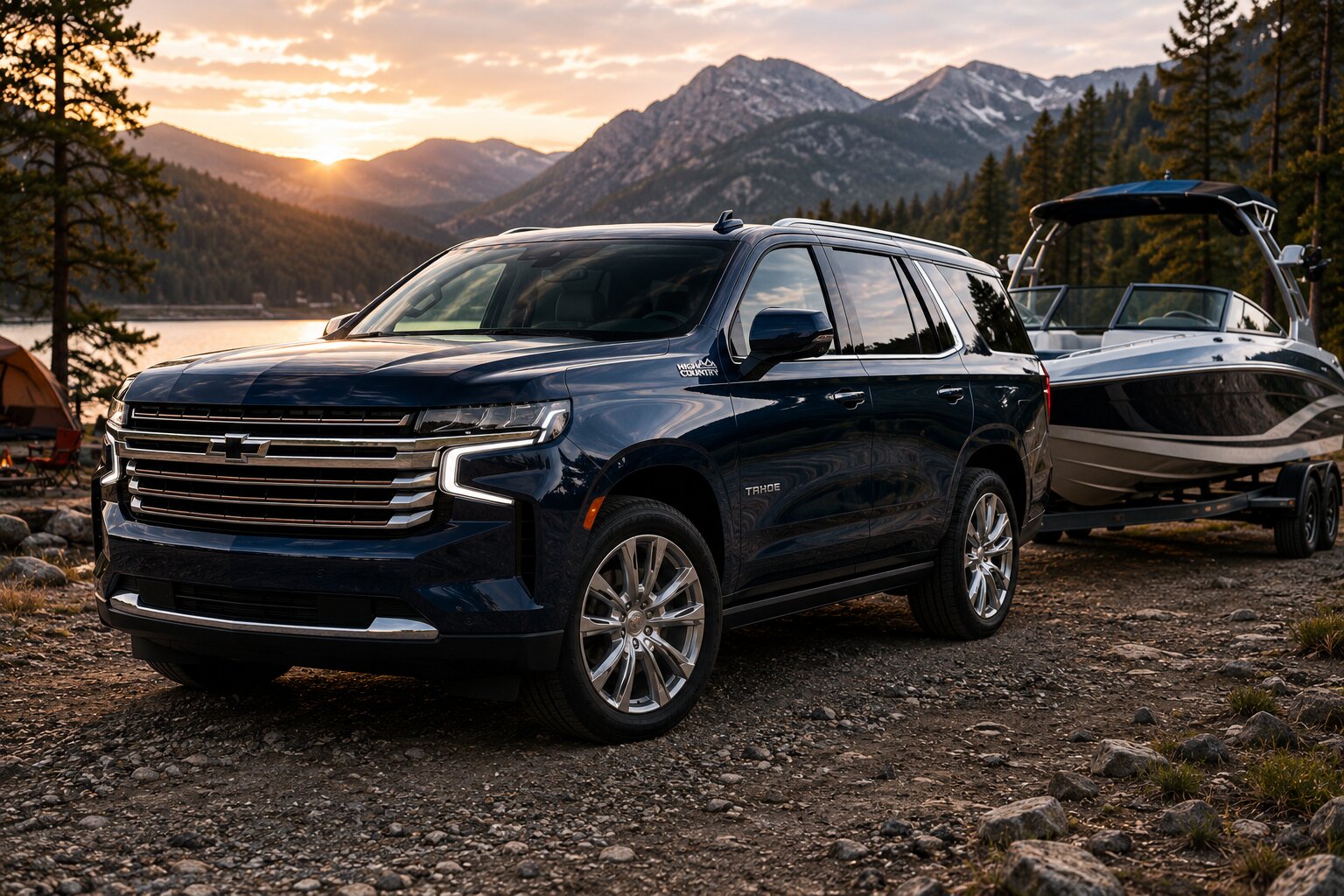
Chevrolet’s Tahoe is the brand’s full size, body on frame SUV, built on the same basic architecture as the Silverado 1500 pickup and closely related to the GMC Yukon. In current form it uses independent rear suspension (a big deal for third row comfort and cargo packaging) and it offers three familiar engine choices: a 5.3 liter V8, a 6.2 liter V8, and a 3.0 liter Duramax inline six turbo diesel. Those are widely reported, long running Tahoe staples in the current generation.
For “2026 Tahoe” specifically, Chevrolet had not, as of my knowledge cutoff (August 2025), published a complete, final U.S. spec sheet covering every trim, towing rating, fuel economy number, and equipment change for the 2026 model year. That matters because Tahoe details can shift year to year with packaging changes and regulatory updates. So this review leans on widely known Tahoe fundamentals and current generation specifications that are broadly consistent across recent model years, while calling out where exact 2026 figures should be verified on Chevrolet’s official site or the Monroney label.
What is safe to say: it is still a big, truck based family hauler that can tow real weight, carry real people, and swallow a week’s worth of gear without folding itself into a crossover shape. What you should double check for a specific 2026 build: EPA mpg for your exact drivetrain, final tow rating for your exact axle ratio and equipment, and any mid cycle update features that may have arrived or changed packaging.
What the Tahoe is (and why people keep buying them)
The Tahoe exists because lots of American families do not just “need three rows.” They need three rows plus a trailer plus muddy boots plus a dog crate plus a cooler plus a driveway that turns into a ski trip staging area every winter weekend. A full size SUV like this is basically a half ton pickup with an enclosed cabin. That truck DNA shows up in how it tows, how it handles rough pavement, and how it shrugs off the kind of use that makes many crossovers feel overworked.
It also shows up in the compromises. The Tahoe is wide. It is tall. It has real mass. In typical suburban routines it can feel like bringing a work boot to a treadmill session. You can do it, but you notice it.
Lineup and trims: the quick map
Tahoe trims have historically ranged from practical to plush: LS and LT on the value side, RST for a sportier look, Z71 for off pavement minded buyers, Premier for more luxury content, and High Country at the top end. Availability of specific features varies by year and package, so treat any single feature callout as “typical” rather than guaranteed unless you confirm it on a 2026 build sheet.
If you are shopping by mission instead of by badge on the tailgate:
LS and LT tend to be the smart buys for families who want space and towing without chasing every luxury feature.
RST is often chosen for appearance and street stance more than capability.
Z71 usually makes the most sense if you actually plan to use dirt roads, snowed in trailheads, or rutted access roads regularly.
Premier and High Country are where Tahoe starts playing in the same sandbox as nicer versions of the Ford Expedition and higher trim Jeep Wagoneer models, at least in terms of interior appointments and tech content.
Powertrains: three familiar choices, three different personalities
The Tahoe’s engine menu is one of its biggest advantages over many three row crossovers. You can buy it like an old school V8 truck, or you can buy it like an interstate mileage machine with diesel torque.
The 5.3 liter V8 is the mainstream pick in many model years. It is not exotic, but it works. In day to day driving it tends to feel relaxed rather than urgent. For typical family duty with occasional towing it has enough power without pushing you into top trim pricing.
The 6.2 liter V8 is for buyers who regularly load the truck up with people and gear or simply want stronger acceleration in a vehicle that weighs what these weigh. It also commonly pairs with higher trims. If you like passing power at highway speed without planning your move early, this is usually the easiest way to get it.
The 3.0 liter Duramax turbo diesel inline six has been one of the Tahoe’s most interesting options in recent years because it changes how the whole vehicle feels on long trips. Diesel torque delivery suits heavy SUVs well. It typically feels like it is doing less work at steady speeds, especially when loaded or towing within reason. The tradeoffs are diesel availability in your area, potential emissions system complexity over long term ownership (a reality across modern light duty diesels), and usually higher upfront cost.
Exact horsepower and torque numbers vary by model year calibration; Chevrolet publishes them on official spec pages. If you are cross shopping model years or trying to decide between engines based on numbers alone, verify the exact output listed for 2026 rather than assuming last year’s figures copy over unchanged.
Towing and hauling: where truck bones actually matter
People buy Tahoes because they want to tow without white knuckles and without turning their family car into a stressed out appliance. When properly equipped, Tahoes have historically offered maximum tow ratings in the neighborhood of 8,000 pounds or more depending on configuration (drivetrain, axle ratio, tow package). The key phrase there is “properly equipped.” Tow ratings are not vibes; they are math tied to options.
If towing is central to your purchase, pay attention to:
The factory trailering package content (hitch hardware, wiring provisions, cooling upgrades where applicable).
Your axle ratio if Chevrolet still offers multiple ratios for certain builds.
Whether you are choosing 2WD or 4WD (ratings can differ).
Your passenger and cargo load (payload disappears fast in three row SUVs).
This last point gets glossed over constantly. A Tahoe can tow serious weight on paper but payload limits how comfortably you can do “full family plus full trailer tongue weight plus full cargo area.” If you routinely travel with six or seven people plus gear while towing a camper or boat, read the door jamb payload sticker on the actual vehicle you are buying.
On road manners: big SUV calm with some honest physics
A modern Tahoe can be surprisingly civilized at highway speeds for something that started life as a pickup truck conceptually. Independent rear suspension helps ride quality when unloaded compared with older solid axle SUVs; it also improves third row packaging and cargo floor layout.
Still, this is not a low crossover with carlike responses. You sit high, you feel the mass when you ask for quick direction changes, and you will notice crosswinds more than you would in something smaller. The payoff is stability when loaded up and confidence when pavement quality drops from “fresh asphalt” to “county road with patches.”
Depending on trim and options (especially wheel size), ride quality can swing from cushy to busy over sharp impacts. Larger wheels often look great on dealer lots but they do not always love potholes or expansion joints in places like Michigan or New York.
The parking lot reality: size wins on road trips and loses at Target
The Tahoe’s footprint is part of its value proposition until you try to live with it in tight spaces every day. Full size SUVs demand room: wider parking spots feel normal again; narrow garages become negotiation; drive through lanes ask more attention than they should.
This is where rivals land differently too. A Ford Expedition feels similarly large because it is similarly large; there is no cheat code here. A Jeep Wagoneer also plays this game at full scale with its own sense of bulk. Even within GM’s own family there are longer variants (like Suburban) that push this further if you want maximum cargo behind the third row but accept even more parking hassle.
If your daily life involves downtown garages or older neighborhoods with tight street parking, be honest about how often you will be threading needles versus cruising interstates.
Visibility: high seating helps, thick pillars still exist
You buy a Tahoe partly because you want that commanding view over traffic. The seating position does deliver that classic full size SUV perspective that makes merging easier and gives newer drivers in the family some confidence when they can see farther down the road.
The other side of modern safety structure is thicker roof pillars than older trucks had decades ago. Blind spots exist; mirrors matter; driver assistance tech helps but should not be treated as magic. If visibility anxiety is part of your household decision making process, spend time adjusting mirrors properly during your test drive and check rearward sightlines with child seats installed if that is your reality.
Cabin comfort: real adult space in all three rows (usually)
This is where Tahoe separates itself from most three row crossovers quickly: adults can fit back there without feeling punished for being last picked. Second row comfort depends on whether your build has captain’s chairs or a bench; both layouts have fans depending on whether you prioritize easy third row access or maximum seating count.
The third row in modern Tahoes is generally usable for more than short hops compared with many midsize crossovers where knees end up near chins. That does not mean every adult will want to live back there all day, but kids grow fast and carpools get real fast too.
Noise levels at highway speed tend to be better than older truck based SUVs thanks to modern insulation strategies and chassis tuning across this generation class of vehicles. Tire choice still matters; aggressive all terrain tires look right on Z71 builds but can add hum compared with more road focused rubber.
Cargo usefulness: the shape matters as much as volume
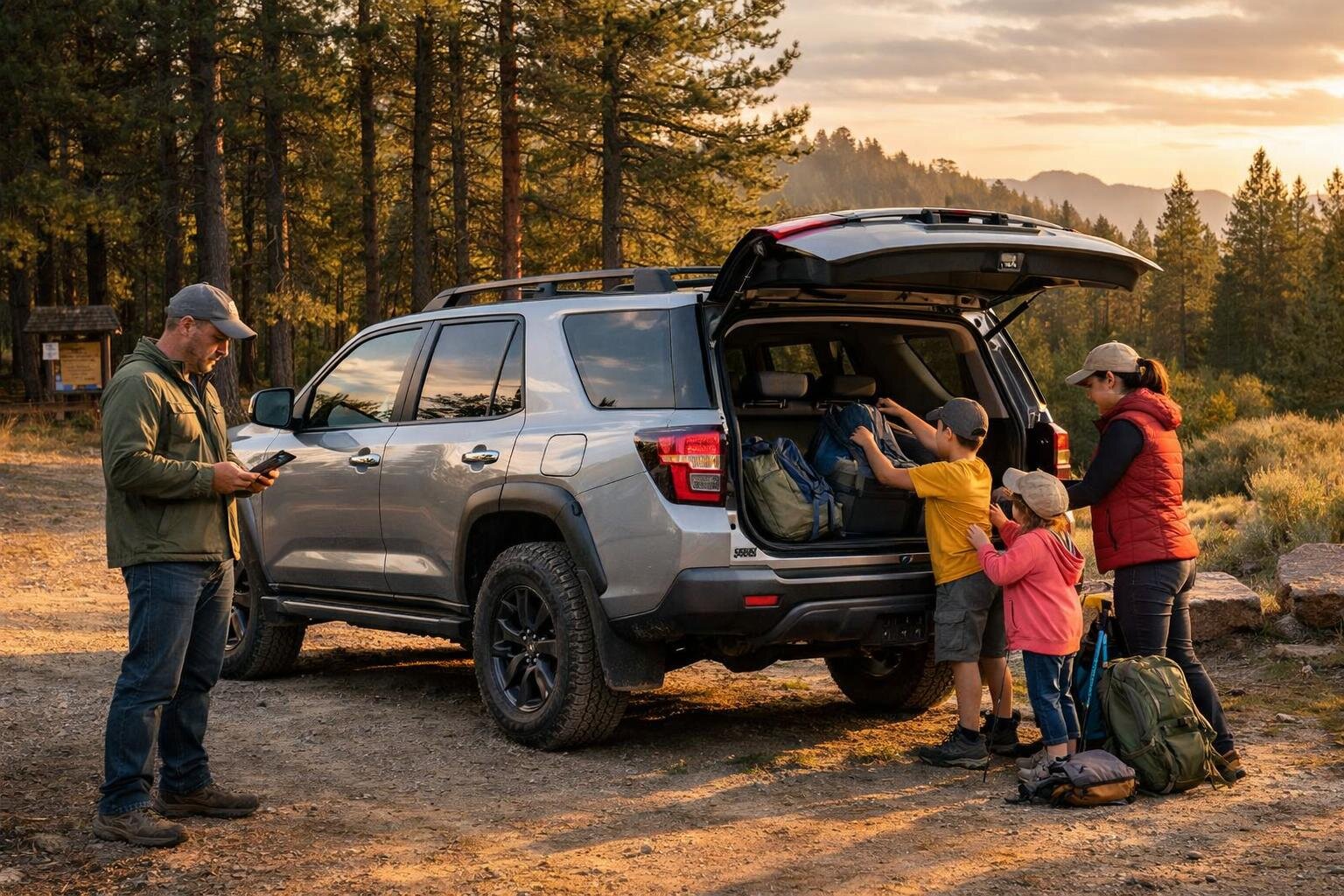
Tahoe cargo strength is not just about maximum cubic feet; it is about having an honest box behind a big liftgate opening at a comfortable load height for most adults. With all rows up you still get meaningful space for groceries or sports bags in typical configurations; fold rows down and it turns into home improvement mode quickly.
If your life includes strollers plus backpacks plus coolers plus folding chairs all at once, the Tahoe’s tall roofline and squared off rear pay off because stuff stacks without fighting sloped glass like many crossovers do.
4WD systems and off pavement capability: Z71 makes sense when dirt roads are routine
A Tahoe is not automatically an overlanding rig just because it sits high. But its underlying hardware gives it legitimate capability when equipped correctly: available four wheel drive systems (including two speed transfer cases on certain off road oriented trims), truck grade traction control calibration strategies typical of GM trucks, and decent approach angles relative to many crossovers thanks to bumper design choices on certain trims.
Z71 has historically been Chevrolet’s trim aimed at buyers who want skid plates style protection cues (and sometimes actual underbody protection depending on package), off road focused tires in some builds, unique bumpers or fascia treatments that help clearance relative to street trims, and suspension tuning aimed at rougher surfaces.
Ground clearance varies by wheel tire combo and suspension setup; Chevrolet publishes those numbers when available by trim configuration. If ground clearance is critical for your use case such as deep snow ruts or rocky forest service roads verify your exact build because wheel size changes can alter effective clearance slightly through tire sidewall differences even if suspension height stays constant.
The big constraint remains size and weight. On narrow trails or tight switchbacks this thing will feel wide because it is wide. For many buyers “off road” really means sand boat ramps, snowy driveways, muddy campsites, ranch roads, hunting lease access roads. In those environments a properly equipped Tahoe can be very satisfying because it brings comfort along with traction.
Highway trip behavior: where full size SUVs earn their keep
The best argument for owning something this large shows up around hour three of a road trip when everyone still has elbow room and nobody has luggage stacked against their shoulder. Long wheelbase stability (even in standard length form) tends to make these trucks feel settled at speed compared with smaller SUVs that get twitchy when loaded heavy behind the rear axle line.
If you regularly run interstates with four people plus gear or tow something modest like a small camper within rated limits this platform style remains hard to beat for overall ease of use compared with most unibody three row crossovers that were never designed around towing first principles.
Tech and safety: check your trim sheet carefully
Tahoe availability typically includes modern infotainment features (smartphone integration such as Apple CarPlay and Android Auto), multiple USB ports throughout the cabin depending on trim level and options, available navigation on higher trims, available premium audio systems depending on package selection, and driver assistance features that have become common across mainstream vehicles (automatic emergency braking availability varies by year standardization).
The caution here is simple: equipment levels change frequently through packages across trims across model years across supply constraints. Do not assume an LT has exactly what last year’s LT had just because badges match up.
Fuel economy reality: big vehicle math never disappears
No matter which engine you choose this remains a large SUV pushing a lot of air with substantial curb weight relative to midsize vehicles. EPA ratings depend heavily on drivetrain choice (V8 vs diesel), drive configuration (2WD vs 4WD), wheel tire packages, and final calibration for model year compliance.
In general terms based on prior model years: V8 Tahoes tend to land in typical full size SUV fuel economy territory rather than shocking anyone with thrift; the diesel option has historically been appealing specifically because it can deliver better highway efficiency while still offering strong torque characteristics suited to towing moderate loads.
If fuel cost sensitivity drives your decision strongly enough that one mpg matters either way do not rely on generalities; check EPA figures for the exact 2026 configuration you are considering once published.
Rivals in real life: Expedition vs Wagoneer vs Sequoia
The Ford Expedition remains the cleanest direct rival conceptually: another full size American SUV built around towing family travel needs with strong powertrain choices depending on model year offerings. The shopping experience often comes down to which cabin layout feels better for your crew and which dealer has inventory configured how you actually want it rather than how they wish people bought them.
The Jeep Wagoneer plays more toward big interior presence and comfort while still keeping truck based capability themes alive depending on configuration; its sheer size competes head on with Tahoe but buyer priorities differ if brand feel matters in your driveway identity story.
Toyota’s Sequoia competes as well but approaches packaging differently due to its hybrid powertrain strategy in recent years; some buyers love that direction while others care more about cargo packaging nuances behind the third row or traditional V8 feel which Toyota no longer offers there.
Tahoe’s advantage tends to be familiarity mixed with breadth of trims: everything from practical fleet style builds through luxury leaning versions exists under one nameplate so families can scale their purchase up or down without leaving the platform class entirely.
The stuff nobody brags about: city stressors and daily annoyances
Full size SUV ownership comes with small frictions that add up if most of your driving lives inside suburbs rather than between states:
You will think about turning radius more often than you want to admit when U turns pop up unexpectedly.
You will notice how often other drivers park too close for comfortable door swings when loading kids into car seats.
You may find yourself choosing farther parking spots just to avoid door dings because wide vehicles invite tight squeezes from neighbors who underestimate their own door arcs.
You will likely go through tires that cost more than compact SUV tires depending on wheel size choice; larger diameter wheels tend to mean pricier replacements even before discussing all terrain options for Z71 style setups.
If these sound minor they are minor individually; together they define whether living with something this large feels empowering or mildly exhausting Monday through Friday.
Pros: why a Tahoe still makes sense
Real towing confidence when properly equipped, backed by truck platform fundamentals rather than crossover marketing language.
Genuinely usable third row space compared with many midsize three row SUVs where adults fit only briefly.
Cargo shape works, especially if you load bulky gear often instead of just suitcases twice per year.
Trim variety, letting buyers choose between basic utility (LS LT) through off pavement flavor (Z71) through premium comfort (Premier High Country).
Available diesel option historically, offering an alternative personality focused on torque delivery and highway efficiency depending on model year availability for 2026 ordering guides.
Cons: what wears thin fast
It takes space everywhere, including garages parking lots drive through lanes school pickup lines tight neighborhoods.
Fuel economy will never feel small vehicle friendly, even if some configurations do better than others within class norms.
Payload constraints matter, especially for families who try to tow while fully loaded inside; door sticker reality beats brochure dreams every time.
Wheel tire choices can hurt ride quality, especially large wheels paired with low profile tires relative to what rough roads demand long term.
Verdict: truck bones done right if your life actually needs them
A 2026 Chevrolet Tahoe remains one of those vehicles that makes immediate sense when your lifestyle includes towing hauling snow trips long highway runs or simply moving people comfortably without turning every vacation into luggage Tetris inside a midsize crossover. It brings honest capability along with everyday livability improvements modern full size SUVs have earned over time such as independent rear suspension packaging benefits and generally calmer highway behavior than older truck based rigs delivered.
The flip side does not hide itself either. In typical suburban routines the Tahoe asks for patience at parking speeds; it asks for room; it asks you not to pretend physics went away just because cameras got better. If most of your driving happens within five miles of home and towing happens once per summer this might be more vehicle than you enjoy living with daily even if you love it on weekends.
If you know why you need one though there are few substitutes that do all these jobs as cleanly as a Tahoe does while staying mainstream enough that parts support dealer familiarity and resale interest remain strong across much of America’s used market history (exact future values always uncertain). Verify final 2026 specs before signing anything especially tow rating payload fuel economy by configuration then buy the trim that matches your actual use case rather than your aspirational one.
0 comments
Join the discussion around this article.
Please login to comment.