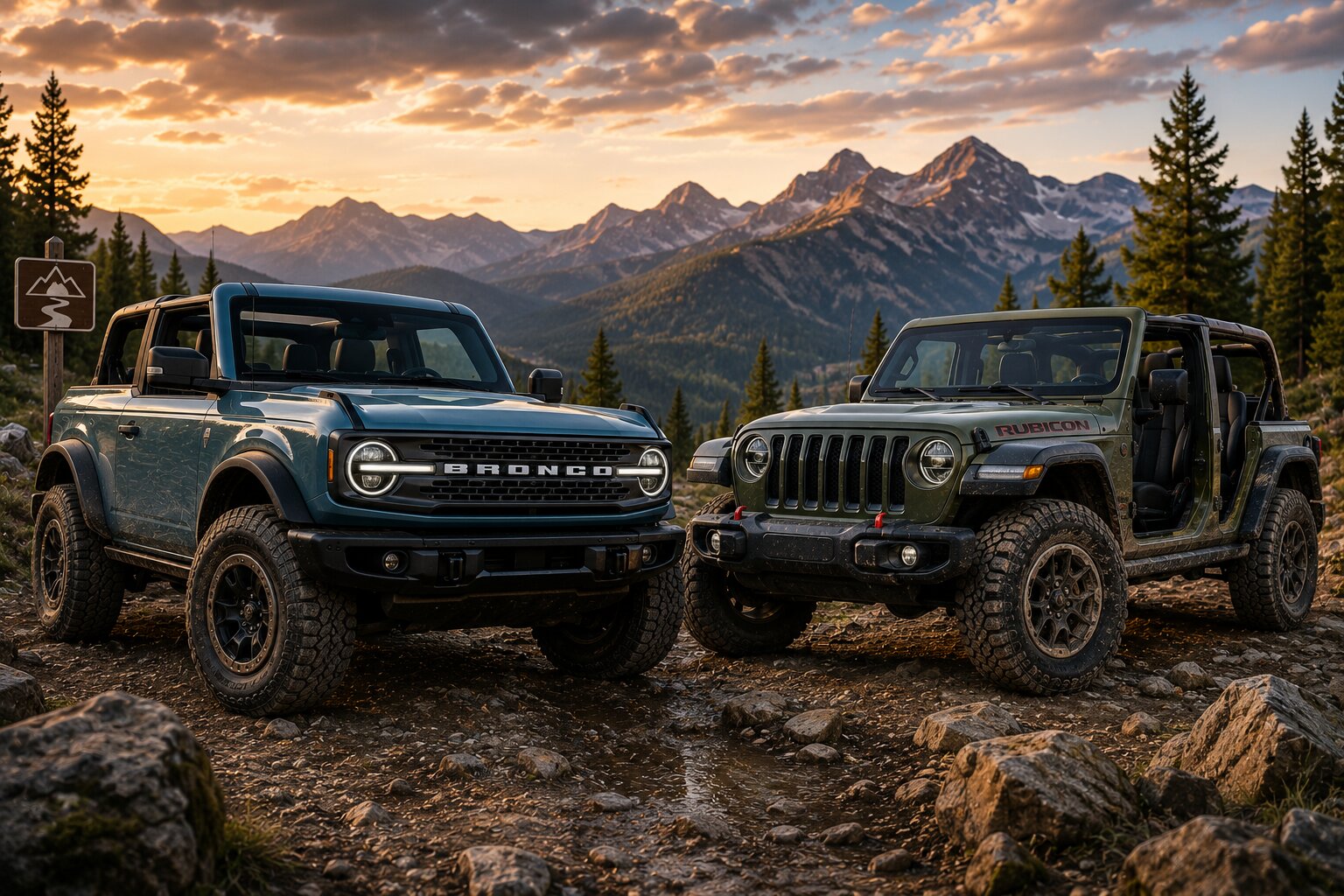
Ford Bronco vs Jeep Wrangler: the choice you feel on Monday morning
These two are the poster children for removable doors, upright windshields, and trailside photo ops. They also have to do something less glamorous: get you to work, squeeze into a grocery store parking spot, sit in traffic with the A/C blasting, and handle a wet highway at 70 mph without wearing you out.
The Ford Bronco (revived for the 2021 model year) and the Jeep Wrangler (the current JL generation launched for 2018) both chase that do it all brief, but they go about it differently. The Bronco often feels like it was engineered with daily driving as a core requirement, while the Wrangler still reads like a trail tool that has been steadily civilized.
To keep this comparison honest and fact based, I am leaning on widely published U.S. specifications and EPA fuel economy ratings for mainstream trims. Exact numbers can vary by body style (2 door vs 4 door), axle ratio, tire size, transmission, and package content. If you are shopping a specific trim, confirm the window sticker and manufacturer spec sheet.
Quick reality check: who they compete with and why these two matter
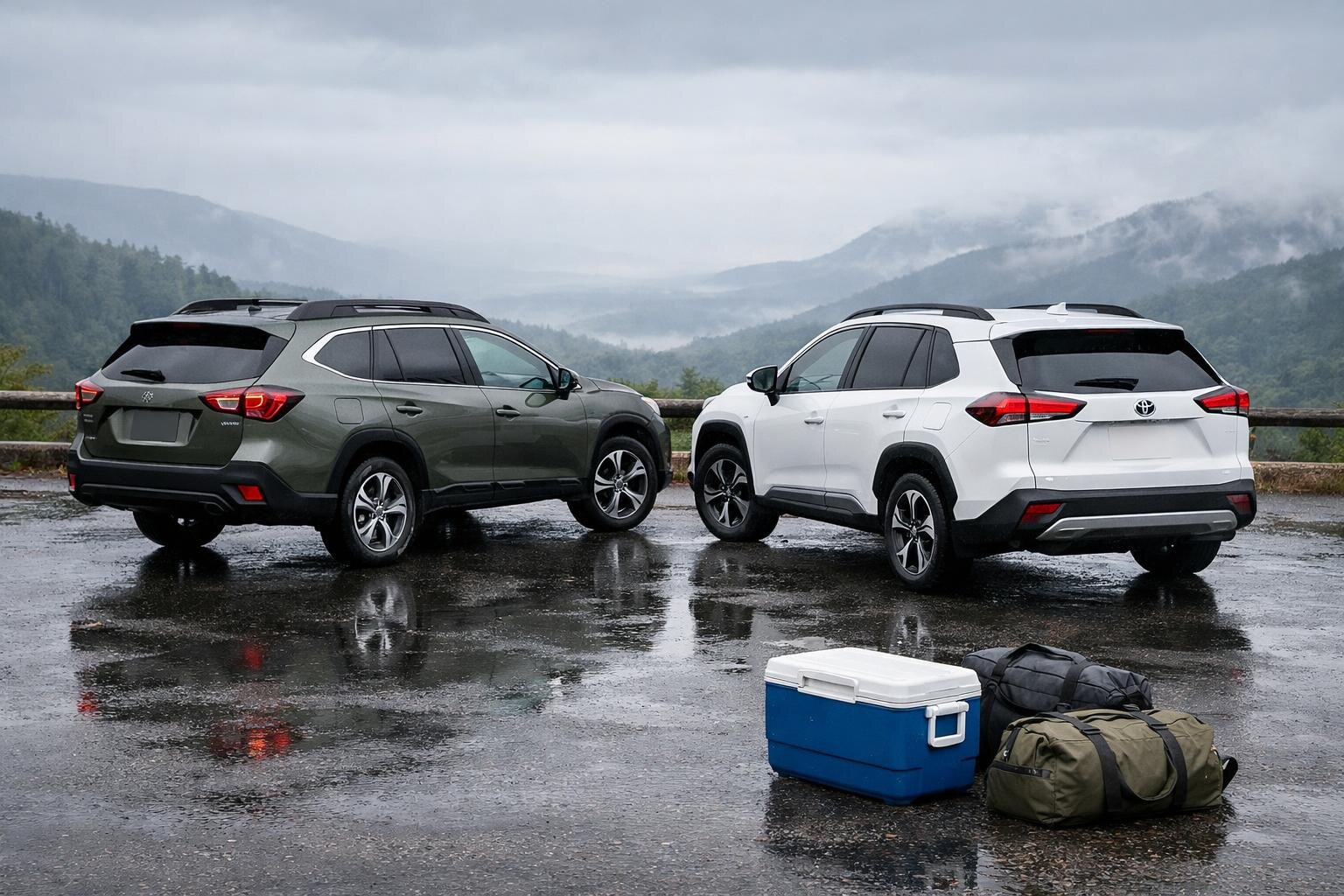
In the U.S., the Bronco and Wrangler sit in a pretty small club of true body on frame style off road SUVs with removable tops and doors. Crossovers like the Toyota RAV4 TRD Off Road or Subaru Outback Wilderness can handle dirt roads, but they are not chasing the same rock crawling and open air vibe. The closest alternatives are the Toyota 4Runner (more traditional SUV, not open air) and Land Rover Defender (more expensive, more premium). If you want a factory built trail rig that can still be your daily driver, this is the main fight.
Engines and power: turbo punch vs old school torque
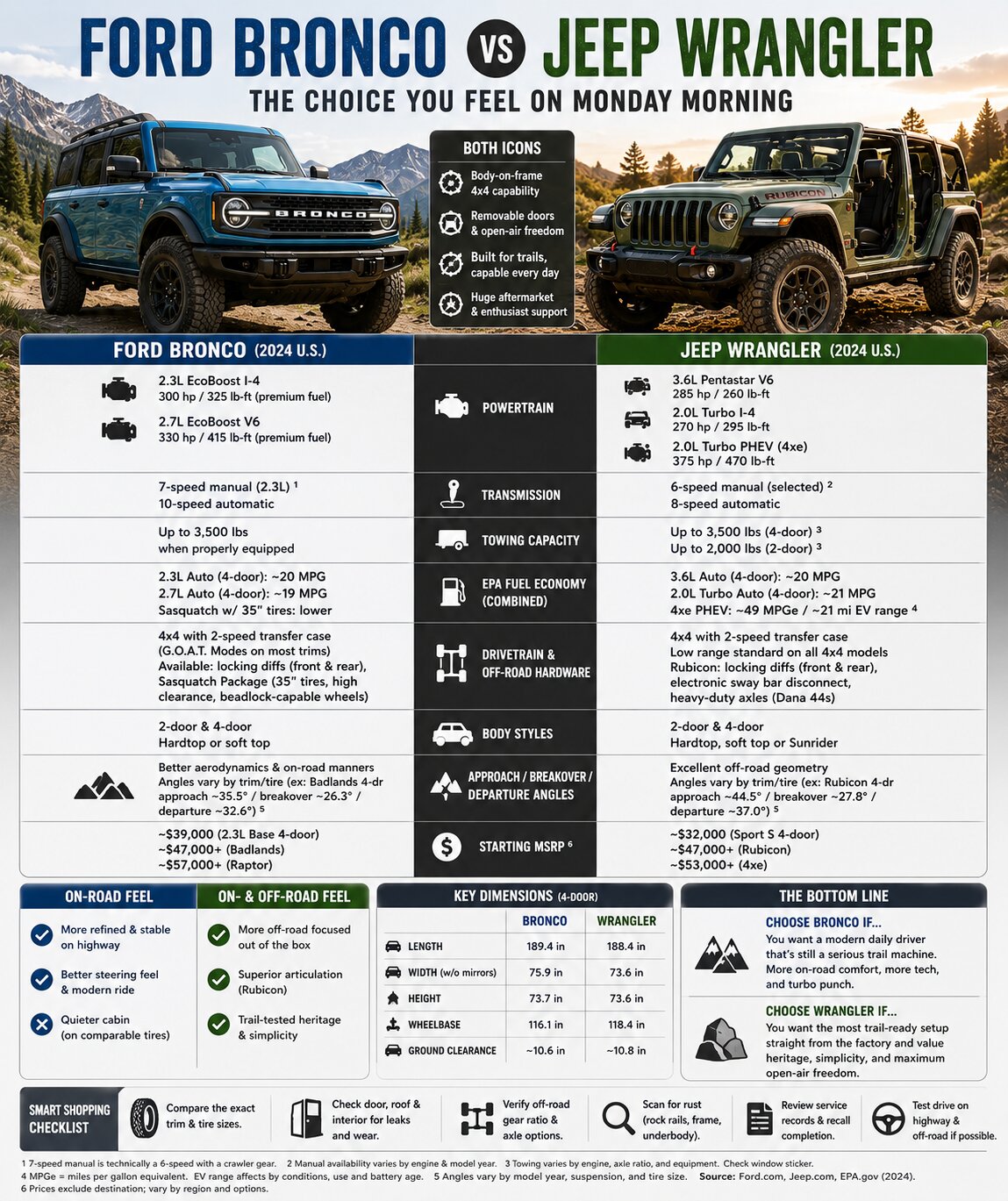
Bronco buyers usually start with turbocharged power. The base engine is Ford’s 2.3 liter EcoBoost inline four. In widely published specs for recent model years, it makes 300 horsepower and 325 lb ft of torque on premium fuel (numbers can be lower on regular). Step up to the twin turbo 2.7 liter EcoBoost V6 and you are typically looking at 330 horsepower and 415 lb ft on premium fuel.
Wrangler is more of an engine buffet. The familiar 3.6 liter Pentastar V6 is still common at 285 horsepower and 260 lb ft. The optional 2.0 liter turbo four is rated at 270 horsepower and a stout 295 lb ft, which helps it feel lively around town even if it does not sound as classic as a V6. Then there is Wrangler 4xe, the plug in hybrid that pairs a turbo 2.0 with electric assist for a combined 375 horsepower and 470 lb ft. That torque number is not subtle in normal driving.
What it means in daily use: the Bronco’s turbo engines tend to deliver that easy midrange shove when you roll into traffic gaps or climb highway grades without downshifting as much. The Wrangler’s Pentastar V6 is smooth and familiar but can feel more traditional in its power delivery, especially at altitude or when loaded up. The Wrangler’s turbo four brings torque sooner than the V6, which many commuters will appreciate.
A note on transmissions because it matters: Bronco offers a 7 speed manual (technically a 6 speed with an extra crawler gear) with the 2.3 liter, plus a 10 speed automatic. Wrangler offers a manual transmission with certain engines (availability depends on year and configuration) and an 8 speed automatic that has earned a solid reputation for keeping the engine in its sweet spot.
Towing and hauling: neither is a half ton truck, but one is clearly stronger
This is where weekend reality shows up fast. Dirt bikes, small campers, utility trailers full of mulch, or an overlanding trailer all add up.
In broad strokes based on manufacturer ratings that are widely reported: most Ford Bronco configurations are rated to tow up to about 3,500 pounds when properly equipped. The Jeep Wrangler typically ranges up to about 3,500 pounds in four door form depending on engine and configuration, while two door Wranglers are commonly rated lower (often around 2,000 pounds). Exact towing capacity varies by trim and equipment, so check your build.
In practical terms: if towing is even an occasional priority, both can handle a small trailer fine, but neither replaces an F 150 or Ram 1500 for stability and payload margin. The Bronco’s towing rating being broadly consistent across more configurations can make shopping simpler. With Wrangler, body style matters more.
Fuel economy: both pay an aerodynamic tax
There is no way around it: boxy SUVs with big tires push air like a barn door.
EPA ratings vary widely by trim level and tire size. As widely published examples for recent model years: a four door Bronco with the 2.3 liter automatic is often rated around the low 20s combined mpg (commonly cited around 20 mpg combined), while the 2.7 liter tends to land slightly lower (often around 19 mpg combined). Certain Sasquatch package setups with larger tires can drop further.
Wrangler EPA numbers also swing by engine. The 3.6 V6 automatic four door is often rated around about 20 mpg combined depending on configuration. The 2.0 turbo can be similar or slightly better in some builds. The outlier is Wrangler 4xe: EPA rates it at about 49 MPGe combined with an electric only range around 21 miles for many model years (verify year specific figures if you are buying used).
If your commute is short enough to plug in regularly at home or work, Wrangler 4xe can change your day to day fuel spend dramatically compared with any gas Bronco or gas Wrangler. On longer highway runs where you burn through the battery early, it behaves more like a heavier turbo Wrangler.
On road comfort: which one feels less like a project car?
This section is where opinions start flying online because everyone’s tolerance for noise and motion is different.
The Bronco generally comes across as more modern in its steering response and overall road manners for many drivers, especially in mainstream trims on smaller tires. It was engineered later than the current Wrangler generation, and you can feel that in how it tracks down the highway and how its driver aids integrate into normal use.
The Wrangler still feels unmistakably like a Wrangler: upright seating position, lots of vertical glass, quick visibility checks at intersections, but also more wander on certain road surfaces depending on tires and alignment. Big all terrain or mud terrain tires amplify that sensation on either vehicle; it just tends to be more noticeable sooner in the Jeep because so many Wranglers leave the lot on aggressive rubber.
Ride quality depends heavily on wheelbase and tire choice. Four door versions of both generally settle better over freeway expansion joints than their two door counterparts simply because of wheelbase length. If you live where pavement is broken or frost heaved half the year, avoid judging either one based solely on an off road focused trim sitting on huge tires under bright dealer lights.
Noise is part of the deal too. Removable tops mean more wind noise than most SUVs at highway speed. Hardtops usually help compared with soft tops; exact impressions vary by model year and top design.
Weather commuting: rain grooves, snow slush, crosswinds
For real U.S. use cases like wet interstates and winter mornings, traction systems matter more than brochure bragging rights.
Both offer true four wheel drive systems with low range available depending on trim (Wrangler makes low range broadly available; Bronco availability depends on drivetrain). Both also offer electronic traction aids that can brake spinning wheels to send torque where there is grip.
The Bronco’s available advanced off road tech includes multiple terrain management modes (Ford calls them GOAT modes), which can be genuinely useful when conditions change quickly from dry pavement to slushy side streets without forcing you to think through every setting manually.
Wrangler counters with its own suite of off road hardware depending on trim level such as Rubicon models with heavy duty axles (Dana 44s), locking differentials front and rear, electronic disconnecting front sway bar for articulation, and serious low range gearing via its Rock Trac transfer case in Rubicon form. Those features matter off road first, but they also help in ugly weather when one wheel ends up unloaded or stuck in packed snow at an odd angle.
If winter commuting is your main worry rather than rock gardens, tire choice will make as much difference as anything else here.
Parking lots and daily visibility: upright glass vs wide shoulders
Both vehicles have excellent outward visibility compared with many modern crossovers thanks to their upright shapes and large windows. That said, they take up real space in tight parking lots once you move into four door territory.
The Wrangler’s squared off corners make it easy to place near curbs; you can judge where the body ends without much guesswork. The Bronco has chunkier fender shapes that look great but can feel wider from the driver seat until you get used to them.
If parallel parking downtown is part of your routine, consider how often you will actually run doorless or topless versus how often you will be threading between concrete pillars in a garage.
Cabin comfort and usability: where daily life gets decided
The Bronco’s interior design leans modern truck practical: big grab handles, simple switchgear meant to be used with gloves, rubberized surfaces in some trims aimed at easy cleanup after trail dust or beach sand. Depending on trim level you can get marine grade vinyl seats that are designed for hose out style use (availability depends on package).
The Wrangler cabin has improved massively over older generations but still feels intentionally utilitarian in places. In typical trims it mixes rugged surfaces with modern infotainment tech well enough that it does not feel dated day to day.
Infotainment is one area where Jeep has built a strong reputation through Uconnect systems over multiple generations; many owners find them intuitive with clear menus and quick response times depending on screen size and model year. Ford’s SYNC system has evolved too; newer versions support Apple CarPlay and Android Auto like Jeep does. Exact screen sizes vary by trim for both brands; check what comes standard versus optional because base models can look sparse compared with what you see online in press photos.
Cargo space is another practical divider but it depends heavily on two door vs four door configurations. Four door versions of both are much easier to live with if you regularly carry strollers, coolers, camping bins, or medium size dogs plus people. Two doors look right to many purists but ask more compromises every single day.
Open air life: tops off sounds fun until you do it twice a week
This might be the most honest shopping question: how often will you really pull doors or roof panels?
Both vehicles offer removable doors and removable roofs depending on configuration (hardtop panels or soft top designs). The experience differs by setup; some systems are quicker than others but either way you need storage space at home or in a garage if you plan to remove doors regularly without scratching them up.
If your reality includes apartment parking or street parking most nights, open air ownership becomes less spontaneous than Instagram suggests.
Trail day truth: hardware matters more than horsepower
If your weekends include rocks, deep ruts, sand washes, or slick muddy climbs after rainstorms back east, both have credible factory solutions but their strengths show up differently depending on trim choice.
A Bronco Badlands or Wildtrak equipped appropriately can bring serious off road kit including available front locker depending on package content along with advanced traction modes tuned for sand or mud ruts. Ford also offers Sasquatch packages on many trims which add larger tires (35 inch class), higher clearance suspension tuning, beadlock capable wheels in some cases depending on year and package details, plus locking differentials front and rear depending on configuration (verify exact content by model year because packaging has changed).
The Wrangler Rubicon remains one of the most straightforward answers if rock crawling is truly your priority from day one because its core hardware list has been consistent: front and rear lockers plus sway bar disconnect plus low gearing tuned for slow technical work. You do not have to explain yourself at an aftermarket shop either; everything from skid plates to lift kits has been developed around Wranglers for decades.
If your trail days are mostly forest roads leading to campsites with occasional rocky steps or sandy sections rather than dedicated crawling parks, both will feel capable long before their limits show up. At that point comfort features like seat support after three hours behind the wheel start mattering as much as approach angles.
Tires and trims: why dealer lot impressions can mislead
A lot of people drive whatever happens to be available locally then decide one rides better than the other based purely on that single example.
If you test drive a Bronco Sasquatch on aggressive tires then jump into a relatively mild Wrangler Sport S on smaller all terrains (or vice versa), your conclusions will mostly reflect tire sidewall stiffness and tread noise rather than chassis engineering differences.
If daily comfort truly matters to you but you still want real trail capability later, consider starting with moderate tires now then budgeting for wheels and tires once you know what kind of terrain you actually run.
Tech and driver assistance: modern expectations vs rugged simplicity
Mainstream buyers now expect adaptive cruise control availability, blind spot monitoring availability, automatic emergency braking availability depending on trim level packages, plus phone integration that just works every time they start the vehicle.
Both brands offer modern safety tech suites across many trims though standard versus optional content varies by model year and price point. If adaptive cruise control matters for long freeway commutes behind semis or through stop go traffic corridors like Southern California interstates or I-95 stretches back east, verify availability early because some off road focused trims prioritize hardware over driver assistance features depending on packaging constraints such as bumper design or camera placement.
Pricing reality: MSRP vs what people actually pay
MSRP moves every model year so quoting exact starting prices without tying them to a specific year risks being misleading fast. In general market terms for recent years: both start in roughly similar territory for base models once destination fees are included; higher trims climb quickly into well equipped midsize luxury SUV money when you add off road packages plus hardtops plus bigger screens plus premium audio plus appearance items.
The biggest pricing wildcard has been availability and dealer markups during high demand periods over recent years across both nameplates. Some shoppers found Broncos harder to get at times due to production constraints; some found certain Wrangler trims scarce during peaks too. If price discipline matters most to you right now rather than getting exactly your dream color with beadlock capable wheels immediately, expanding your search radius helps more than arguing online about which one should cost less.
Maintenance and durability: what we know broadly (and what we cannot promise)
No honest writer should promise reliability outcomes vehicle by vehicle because maintenance history matters as much as brand perception once miles pile up.
A few grounded points:
Turbocharged engines like Bronco’s EcoBoost options rely heavily on correct oil change intervals and good oil quality over time; that is not unique to Ford but it does mean neglect tends to show up sooner than it would on some naturally aspirated engines.
The Wrangler’s long running Pentastar V6 has been in wide service across multiple Stellantis products for years; parts availability is generally good nationwide simply because so many exist in fleets and driveways (that does not guarantee trouble free ownership but it does affect repair logistics).
The Wrangler 4xe adds plug in hybrid complexity including high voltage components; many owners buy it specifically for short commutes where electric driving reduces fuel use substantially but long term repair costs outside warranty are harder to predict across any PHEV segment because battery aging depends heavily on climate and charging habits.
For either vehicle used hard off road: budget time for underbody inspections after trips (skid plates loosened by impacts happen), keep an eye on tire wear patterns after lifts or alignment changes, and do not ignore driveline vibrations after modifications.
Resale value: Wranglers have history here
The Jeep Wrangler has long had one of the strongest resale value stories in mainstream automotive circles simply because demand stays high even as vehicles age. That reputation predates the current generation by decades.
The modern Bronco has also shown strong demand since its return which supports resale values too; however long term historical trends naturally favor Wrangler because it has been continuously present in this segment far longer without gaps in production under different naming schemes.
If resale value sits near the top of your priority list five years from now regardless of what happens next in EV adoption trends or new competitors entering this niche market segment, Wrangler still feels like the safer bet based purely on history rather than hype.
Which one fits which life?
If your week looks like highway commuting plus errands plus kid drop offs plus occasional towing of light trailers or hitch racks full of bikes:
The Bronco often makes sense because its turbo torque pairs nicely with modern automatic gearing; many buyers find its overall road behavior easier to live with day after day depending on trim choice and tires; its interior feels designed around washable practicality without feeling like punishment during long drives.
If your week includes commuting but your weekends genuinely involve technical trails or you want maximum aftermarket support from day one:
The Wrangler remains hard to argue against because Rubicon hardware sets a high baseline without requiring heavy option math; open air culture around Wranglers runs deep; parts knowledge exists everywhere from small town shops near off road parks to major metro dealers; strong resale value history cushions long term ownership risk for many buyers.
If your commute is short enough that plugging in makes sense:
The Wrangler 4xe deserves special attention because its EPA rated electric range around 21 miles means many owners can do daily errands using mostly electricity if they charge consistently at home (year specific figures vary slightly). There is no direct plug in hybrid Bronco counterpart as of my knowledge cutoff date; Ford does offer hybrid powertrains elsewhere in its lineup but not as a plug in Bronco option during these years.
The shopping advice nobody wants but everyone needs
Drive both in the exact kind of trim you would actually buy if possible; tires change everything here more than most shoppers expect. If you cannot find identical intent trims locally (for example mild street friendly versions vs full off road packages), at least acknowledge what you are feeling might be rubber choice rather than fundamental chassis character.
If daily comfort really matters but trails still call your name once a month or once a season, avoid building your whole identity around maximum tire size right away. A comfortable commute five days a week tends to win over theoretical capability most owners never fully use.
If trail truth matters most even when it costs comfort points Monday morning then buy hardware first: lockers low range gearing articulation aids skid protection tire clearance planning. That path still favors Wrangler Rubicon simplicity for many buyers though Broncos equipped correctly absolutely belong out there too.
0 comments
Join the discussion around this article.
Please login to comment.